Rebuilt in just two months after the devastating Eaton Fire, Loma Alta Park now stands as a symbol of community resilience and renewal, even as some residents hope recovery efforts will continue to support housing stability and long-term equity.


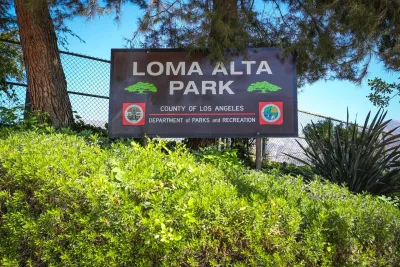
Loma Alta Park in Altadena reopened on May 17, 2025, just months after sustaining major damage in the deadly Eaton Fire, which claimed 18 lives and destroyed thousands of buildings. LA County Supervisor Kathryn Barger led the ribbon-cutting ceremony, emphasizing the importance of parks in healing and rebuilding community bonds. Thanks to swift coordination among government officials and private funders, the park was restored in record time and now features new amenities including two Dodger Dreamfields, a renovated gym and courts funded by the LA Clippers Foundation, a tech center, satellite senior and teen centers, and expanded youth programming.
The reopening was celebrated as a symbol of resilience, supported by a $2.4 million FireAid grant and contributions from volunteers who planted trees and beautified the space. Local artists added murals throughout the park, and Barger praised the quick collaboration between County departments and philanthropic organizations that made the rapid restoration possible. LA County Parks Director Norma Edith García-Gonzalez noted that what usually takes 18 months was accomplished in just two.
While the reopening was a moment of celebration, some community members also used the occasion to raise concerns about housing stability and equity. As reported by André Coleman, demonstrators representing renters, seniors, and communities of color expressed hopes for continued support beyond park restoration—such as direct assistance for fire survivors and protections for those facing housing insecurity. They invited Supervisor Barger to a community block party on June 1 to engage in further conversation about how to ensure recovery efforts benefit all residents.
FULL STORY: Altadena’s Loma Alta Park Reopens


A Historic Investment in LA County’s Parks and Open Spaces
Los Angeles County has launched its largest-ever competitive grant program, investing $58 million to expand park access, enhance climate resilience, and support community-driven projects in the areas that need them most.
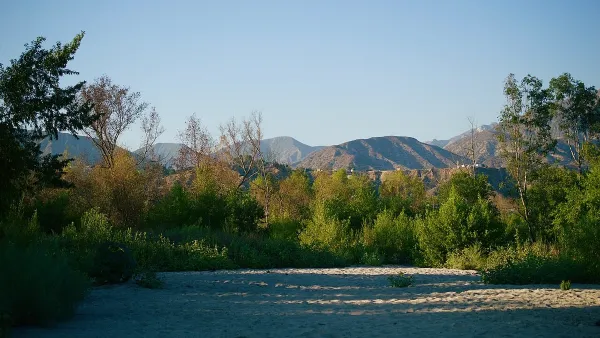
Healing Through Parks: Altadena’s Path to Recovery After the Eaton Fire
In the wake of the Eaton Fire, Altadena is uniting to restore Loma Alta Park, creating a renewed space for recreation, community gathering, and resilience.
A Greener LA County: 623 Acres of New Parkland for Communities
Los Angeles County is investing $17 million to create 623 acres of new parks and open spaces, expanding access to nature, advancing equity, and enhancing community health and well-being.

Planetizen Federal Action Tracker
A weekly monitor of how Trump’s orders and actions are impacting planners and planning in America.

The state-sanctioned urbicide of Austin
People don’t kill cities. Freeways do.

US to reduce Colorado River water deliveries to Mexico
A new Colorado Treaty amendment reduces Mexico’s Colorado River water allocation by 250,000 acre feet.

Mamdani overhauls NYC's Vision Zero plan with 100 new policy goals
The overhaul aims to reduce traffic deaths and make streets safer for pedestrians, cyclists and drivers through lower speed limits, new safety infrastructure and more.

Amtrak not solely to blame for New Jersey commuter rail's unreliability, report finds
A new study from the Garden State Initiative found that NJ Transit’s budget grew 20% across a 4 year period, but reliability declined significantly over the same period.

EPA erases limits on planet-warming pollution from power plants
Under Monday’s plan, power plants would still have some limits on how much mercury, arsenic and other contaminants they can emit.

FREE Course: Walkable City 1: Why Walkability?
After describing his path towards focusing on walkability as the essence of good planning, Jeff Speck marches through his five principal reasons for making more walkable places.
Reinventing Malls: Planning Alchemy—Turning Gray Fields Into Gold
The course focuses on the opportunities and imperatives that shape reinvention of mall sites.

Eagle County Government
Harvard University Graduate School of Design
Nashville Planning Department
The Architects Foundation
University of Cincinnati Online
The Pocatello Development Authority
The Urban Renewal Agency of the City of Pocatello
Journal of the American Planning Association