The city’s traffic calming initiative has led to a 6 percent average reduction in speeds on corridors with recent interventions.


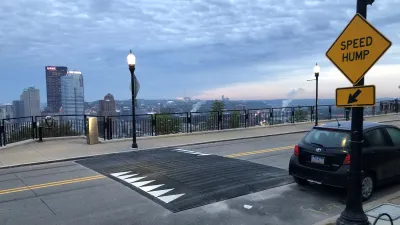
Pittsburgh’s “Community-driven. Block-by-block. Low cost” traffic calming effort could serve as a useful model for other cities, writes Asia Mieleszko in the Strong Towns journal.
The city focused on quick-build interventions to slow traffic and improve safety on streets nominated by residents as needing more safety measures. “These include raised crosswalks, pedestrian islands, changes to lane widths, chicanes, and most popularly, speed cushions.”
The program has had significant impacts: “On a 1,000-foot segment of Seagirt Street between Nimick Place to Bennett Street the average speed has dropped 13 miles, from 36 to 23 miles per hour, after the installation of speed humps.” The average drop in speed on streets with new traffic calming is 6 miles per hour.
The city’s Department of Mobility and Infrastructure (DOMI) uses discretionary funding for the projects. “Too often, communities feel stuck—waiting for funding, plans, or approvals while dangerous conditions persist. But Pittsburgh proves don’t need a massive budget or a multi-year capital plan to begin making change.”
FULL STORY: Pittsburgh's Low-Cost Traffic Calming Is a Model for Every City

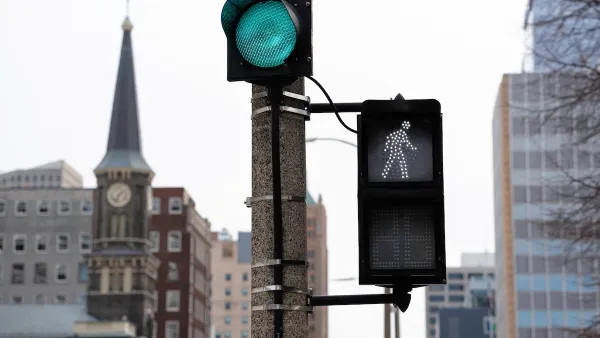
Milwaukee Announces 60 Traffic Calming Projects for 2025
The city has successfully reduced traffic deaths and aims to eliminate them completely within the next decade.
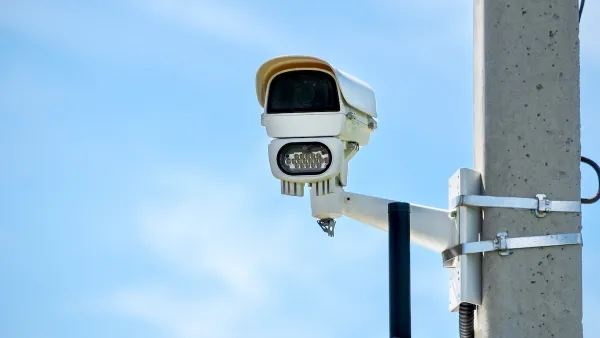
Philly Speed Camera Program Cuts Fatalities in Half
Excessive speeding along dangerous segments of Roosevelt Boulevard dropped by 90 percent after the city installed automated enforcement cameras.
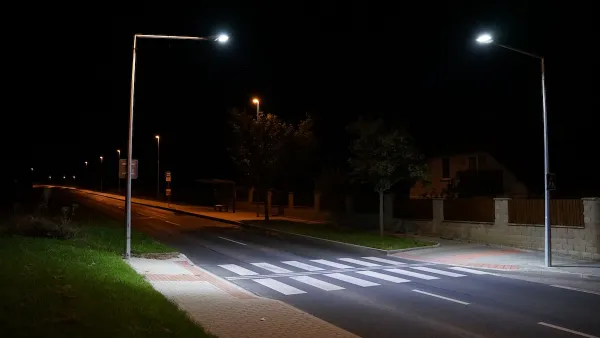
Study: Crosswalk Lighting Radically Improves Pedestrian Safety
In what should come as a surprise to no one, drivers are much more likely to yield to pedestrians when they can actually see them.

Planetizen Federal Action Tracker
A weekly monitor of how Trump’s orders and actions are impacting planners and planning in America.

The state-sanctioned urbicide of Austin
People don’t kill cities. Freeways do.

US to reduce Colorado River water deliveries to Mexico
A new Colorado Treaty amendment reduces Mexico’s Colorado River water allocation by 250,000 acre feet.

Mamdani overhauls NYC's Vision Zero plan with 100 new policy goals
The overhaul aims to reduce traffic deaths and make streets safer for pedestrians, cyclists and drivers through lower speed limits, new safety infrastructure and more.

Amtrak not solely to blame for New Jersey commuter rail's unreliability, report finds
A new study from the Garden State Initiative found that NJ Transit’s budget grew 20% across a 4 year period, but reliability declined significantly over the same period.

EPA erases limits on planet-warming pollution from power plants
Under Monday’s plan, power plants would still have some limits on how much mercury, arsenic and other contaminants they can emit.

FREE Course: Walkable City 1: Why Walkability?
After describing his path towards focusing on walkability as the essence of good planning, Jeff Speck marches through his five principal reasons for making more walkable places.
Reinventing Malls: Planning Alchemy—Turning Gray Fields Into Gold
The course focuses on the opportunities and imperatives that shape reinvention of mall sites.

Eagle County Government
Harvard University Graduate School of Design
Nashville Planning Department
The Architects Foundation
University of Cincinnati Online
The Pocatello Development Authority
The Urban Renewal Agency of the City of Pocatello
Journal of the American Planning Association