The effects of the virus, including ‘brain fog,’ can make driving more difficult and dangerous.


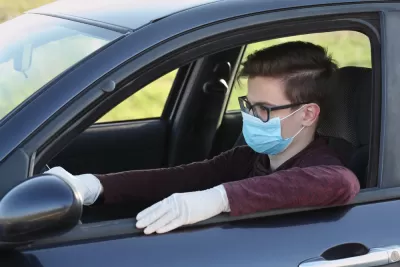
A new study links the effects of Covid-19 to higher rates of car crashes. Kea Wilson explains the findings in Streetsblog USA, noting that a recent analysis found a 25 percent increase in crash risk associated with acute Covid-19. The study used state-cataloged test results and measurements of the virus in wastewater to compare the rates of crashes in communities with higher and lower Covid rates.
According to the study, “States that made more efforts to mitigate the virus, like instituting stronger mask mandates, had lower rates of COVID overall, and also lower rates of total crashes.” These results reveal a new, potentially long-term impact of the pandemic. The effects of the virus can impact drivers as much as driving under the influence of alcohol, study author and physician Baran Erdik said.
Although the study has limitations, Erdik says “even the possibility that the virus is making drivers less safe demands systemic action — both to decrease viral transmission and to decrease car dependence.” Erdik suggests that car-dependent places should enact stricter remote work policies for sick workers and improve air filtration in public buildings and transit vehicles. Meanwhile, individual drivers who contract the virus should be mindful of its potential impacts on their cognitive abilities.
FULL STORY: Study: Covid May Make Sick Drivers Worse Behind the Wheel

Traffic deaths rise by 15% on major album release days
Enjoy those new tracks, but don't forget to keep your eyes on the road.
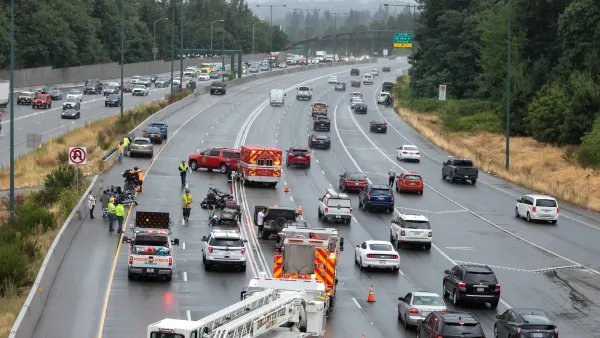
Commentary: Counting Road Deaths by VMT Minimizes the Harm and Normalizes Traffic Violence
When measured per capita, traffic fatalities in the United States far outstrip those in peer countries.

Michigan Bills Would Stiffen Penalties for Deadly Crashes
Proposed state legislation would close a ‘legal gap’ that lets drivers who kill get away with few repercussions.

Planetizen Federal Action Tracker
A weekly monitor of how Trump’s orders and actions are impacting planners and planning in America.

The state-sanctioned urbicide of Austin
People don’t kill cities. Freeways do.

US to reduce Colorado River water deliveries to Mexico
A new Colorado Treaty amendment reduces Mexico’s Colorado River water allocation by 250,000 acre feet.

5 New England states march closer to 800 megawatt wind energy project
Securing federal approval for the project may be complicated under the Trump administration, which has historically been hostile towards domestic wind power.

Baltimore to break ground on $50 million Transit Priority Project
The project will bring faster bus trips, safer streets and better bike connections to Baltimore.

Airbnb launches $250 million 'last-dollar financing' housing accelerator, makes first investment in Austin
The company will put $6.4 million towards affordable housing development in Texas’ capital.

FREE Course: Walkable City 1: Why Walkability?
After describing his path towards focusing on walkability as the essence of good planning, Jeff Speck marches through his five principal reasons for making more walkable places.
Reinventing Malls: Planning Alchemy—Turning Gray Fields Into Gold
The course focuses on the opportunities and imperatives that shape reinvention of mall sites.

Eagle County Government
Harvard University Graduate School of Design
Nashville Planning Department
The Architects Foundation
University of Cincinnati Online
The Pocatello Development Authority
The Urban Renewal Agency of the City of Pocatello
Journal of the American Planning Association