Lower-income households often lack the resources to buy electric cars, signaling a need for a more holistic approach to improving mobility and lowering transportation costs.


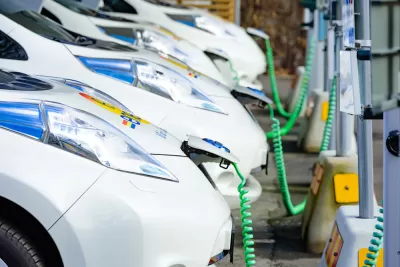
A new report from the Transportation Energy Institute suggests that an equitable approach to transportation must include more than just a shift to electric cars. “The report also notes that lower-income communities often face multiple transportation-related environmental issues, such as proximity to highways and industrial pollution.”
As Dan Zukowski explains in Smart Cities Dive, “Access to electric vehicle charging equipment and the high cost of EVs limits low-income households’ ability to take advantage of these lower-emission vehicles, the paper says, and many depend on conventionally fueled vehicles.” Thus, lower-income communities need investment in public transit and other mobility options that can reduce their transportation costs and offer more sustainable options.
“Direct, meaningful engagement with such communities enables residents to have a say in the transportation policies and projects that could address their specific needs, [the report] says.” The report provides a set of questions that policymakers can use to better understand their communities’ needs and bridge gaps in access to transportation.
FULL STORY: Are EVs the best approach to transportation equity? Maybe not, TEI report says

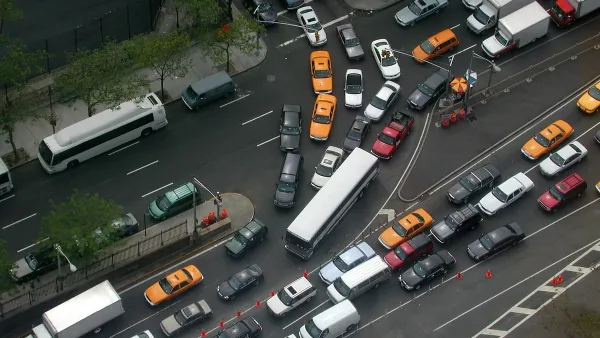
Report Highlights Economic Benefits of Reducing Car Dependence
Encouraging Americans to drive less — and supporting cities where it’s possible to do so — could save the country trillions more than just electrifying the transportation sector.
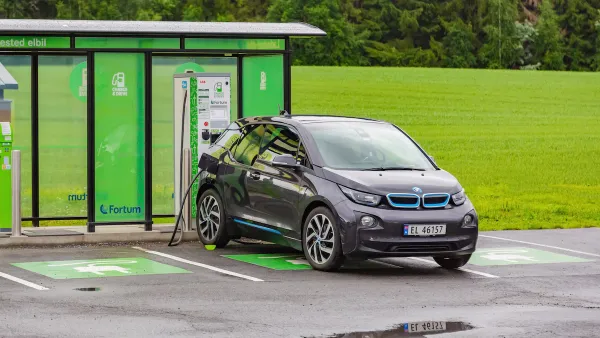
Norway’s EV Boom Could Entrench Car Dependency
The Scandinavian country is a pioneer when it comes to EV adoption, but there are downsides.
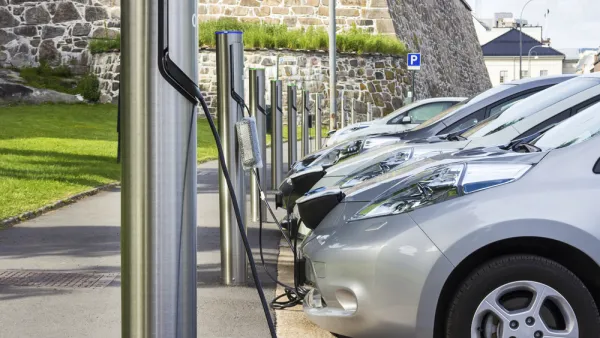
Study: EV Adoption Isn't Enough. Car-Centric Culture Needs To Change.
The focus on electrifying personal vehicles misses the opportunity to transform urban transportation systems, reduce congestion, and make cities more affordable.

The state-sanctioned urbicide of Austin
People don’t kill cities. Freeways do.

US to reduce Colorado River water deliveries to Mexico
A new Colorado Treaty amendment reduces Mexico’s Colorado River water allocation by 250,000 acre feet.

New Jersey’s second-largest city bans standalone data centers
Jersey City will continue to allow co-location facilities, such as those meant for research institutions that store their own data.

Amtrak not solely to blame for New Jersey commuter rail's unreliability, report finds
A new study from the Garden State Initiative found that NJ Transit’s budget grew 20% across a 4 year period, but reliability declined significantly over the same period.

EPA erases limits on planet-warming pollution from power plants
Under Monday’s plan, power plants would still have some limits on how much mercury, arsenic and other contaminants they can emit.

Phoenix announces new on-demand transit service, more frequent RAPID buses
Both new services will launch in October, and are part of Phoenix's Project Effective Access Solutions for Easing Congestion.

FREE Course: Walkable City 1: Why Walkability?
After describing his path towards focusing on walkability as the essence of good planning, Jeff Speck marches through his five principal reasons for making more walkable places.
Reinventing Malls: Planning Alchemy—Turning Gray Fields Into Gold
The course focuses on the opportunities and imperatives that shape reinvention of mall sites.

Eagle County Government
Harvard University Graduate School of Design
Nashville Planning Department
The Architects Foundation
University of Cincinnati Online
The Pocatello Development Authority
The Urban Renewal Agency of the City of Pocatello
Journal of the American Planning Association