Los Angeles County is investing $17 million to create 623 acres of new parks and open spaces, expanding access to nature, advancing equity, and enhancing community health and well-being.


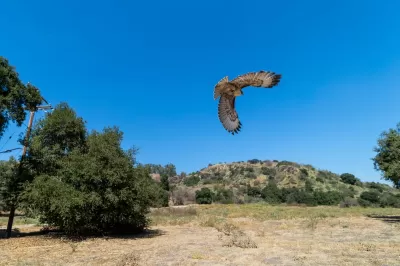
Los Angeles County has made a historic investment in expanding parkland, allocating $17 million from Measure A competitive grants to create 623 acres of new parks and open spaces. This marks the largest parkland expansion effort in the 31-year history of the Los Angeles County Regional Park and Open Space District (RPOSD). The funding will support 13 projects across all five Supervisorial Districts of the county, ensuring that communities most in need—particularly those with limited access to green spaces—benefit from this transformative initiative. In addition to enhancing recreational opportunities, these investments will contribute to climate resilience, and improved public health, reinforcing the County’s commitment to equity and environmental justice.
This achievement builds on the success of Measure A, which was overwhelmingly approved by voters in 2016 to provide permanent funding for parks and open spaces. The RPOSD has taken a community-driven approach, providing technical assistance to under-resourced communities and ensuring that funding reaches the areas with the greatest need. This latest investment demonstrates the effectiveness of that strategy, with projects ranging from small urban parks to large-scale conservation efforts. To further advance these goals, the RPOSD has also announced an upcoming grant opportunity focused on wildfire recovery and climate resilience, addressing the growing threats of natural disasters.
Norma E. García-González, Director of the County of Los Angeles Department of Parks and Recreation and Director of the Regional Park and Open Space District, emphasized the significance of this investment: “We are changing lives with this $17 million investment. In 2016, voters told us that high-need communities should be first in line for park funding, and we took that promise seriously. Through technical assistance, community-driven solutions, and a commitment to equity, we have ensured that the hardest-to-reach places—where families haven’t been able to walk to a park—are finally getting the green space they deserve. Today, we’re 623 acres greener, improving public health, climate resilience, and access to nature for all.”
Read the full story: Today, We Are 623 Acres Greener: Los Angeles County Invests $17 Million to Purchase New Park Land

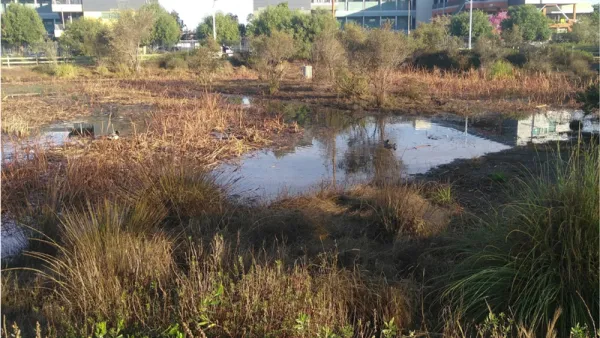
How South LA Green Spaces Power Community Health and Hope
Green spaces like South L.A. Wetlands Park are helping South Los Angeles residents promote healthy lifestyles, build community, and advocate for improvements that reflect local needs in historically underserved neighborhoods.
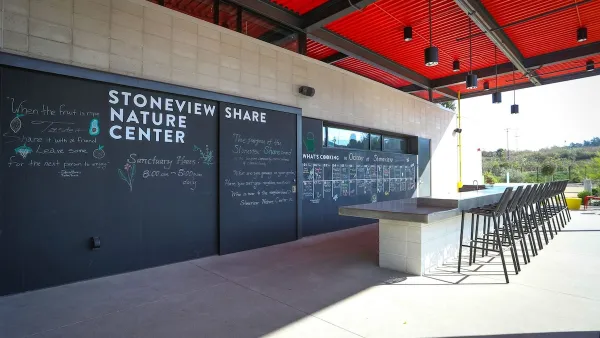
How LA County Parks are Fostering Equity
Los Angeles County's Department of Parks and Recreation actively engages the public through diverse methods to ensure parks and recreation programming align with community needs and priorities.
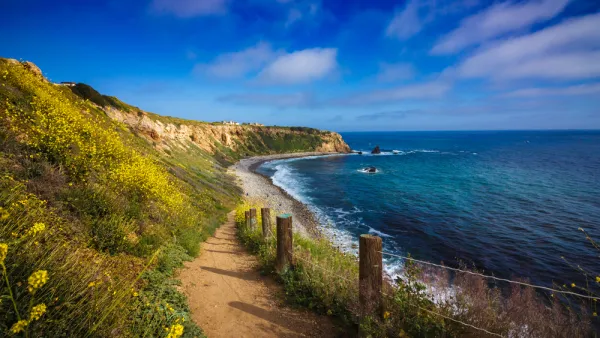
Los Angeles County Parks Department Releases Five-Year Strategic Plan
The L.A. County Department of Parks and Recreation recently completed a strategic plan which details goals, strategies, and actions that reflect the agency's commitment to advancing equity.

Planetizen Federal Action Tracker
A weekly monitor of how Trump’s orders and actions are impacting planners and planning in America.

California plans to bury El Niño’s downpour
If the state plays its cards right, it may be able to store a billion acre-feet of El Niño’s water in aquifers.

Chicago breaks ground on $3 billion megadevelopment
The new neighborhood, titled Foundry Park, will one day host 3,700 residences.

Satanic Place Names
From streams and lakes to valleys and canyons, I mapped more than 1,000 places named after the Devil.

California High-Speed Rail Authority CEO resigns after $600,000 scandal
Under Ian Choudri, the authority used taxpayer dollars to fund first class flights and trips to nightclubs.

Want to study the Missouri River? Soon, you may need unanimous approval from 10 states
Legislation would require 10 governors’ permission to study or build projects moving water outside the basin.

FREE Course: Walkable City 1: Why Walkability?
After describing his path towards focusing on walkability as the essence of good planning, Jeff Speck marches through his five principal reasons for making more walkable places.
Reinventing Malls: Planning Alchemy—Turning Gray Fields Into Gold
The course focuses on the opportunities and imperatives that shape reinvention of mall sites.

City of Rosemead
Rutgers University, Edward J. Bloustein School of Planning and Public Policy
One Hundred Miles
Hunter College, City University of New York (CUNY)
The Architects Foundation
University of Cincinnati Online
City of Cambridge
Montrose County
The Pocatello Development Authority