Robust, efficient transit networks can have an outsized impact on vehicle miles traveled, even by non-transit users.


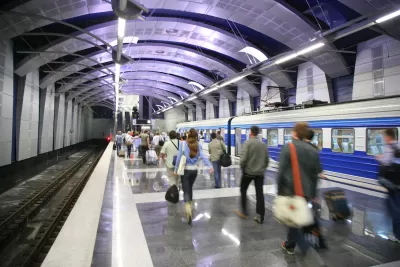
A new study from the University of Utah and MIT highlights the positive impacts of effective transit systems on land use and travel behavior across the larger population, not just transit users.
In fact, the indirect impacts of increased public transit and pedestrian infrastructure can be greater than the direct impacts. “For every mile not driven by transit riders, transit accounts for another six to nine miles not driven among the larger population.”
According to an article by Chris McCahill in State Smart Transportation Initiative, “The study looked at how factors like transit access, household makeup and income, and fuel prices influence transit use and vehicle miles of travel (VMT).” The study reveals how the ripple effects of transit can have positive impacts far beyond its users by creating a built environment more friendly to multimodal transportation.
Read the full story: The benefits of transit extend well beyond transit riders
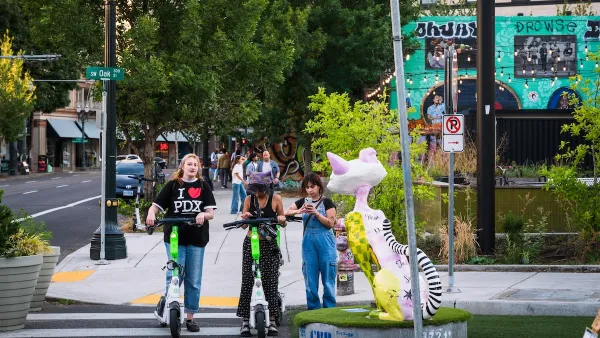
Study: Nearly Half of Portland TOD Residents Commute by Transit
People living in transit-oriented developments are more likely to ditch the car and opt for transit or walking, new research shows.
Study: Automobile Dependency Reduces Life Satisfaction
Automobile dependency has negative implications for wellbeing. This academic study finds that relying on a car for more than 50 percent of out-of-home travel is associated with significant reductions in life satisfaction.
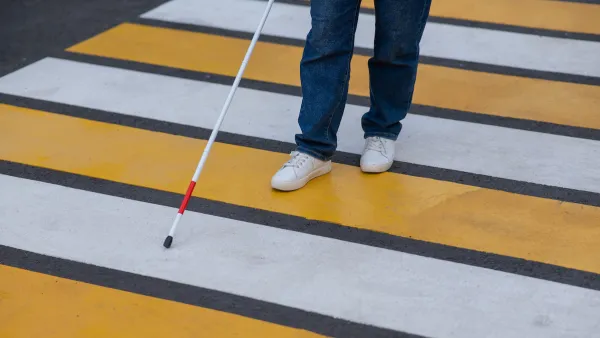
Being a Non-Driver in a Car-Dependent World
A third or more of Americans cannot drive due to their age, ability, or other factors. How can their travel needs inform our transportation systems?

Planetizen Federal Action Tracker
A weekly monitor of how Trump’s orders and actions are impacting planners and planning in America.

California plans to bury El Niño’s downpour
If the state plays its cards right, it may be able to store a billion acre-feet of El Niño’s water in aquifers.

Desperate measures: Advocates weigh draining Lake Powell to fill Colorado River
Draining the reservoir could reduce evaporation losses by a couple hundred thousand acre-feet.

US buildings threatened, destroyed by fires set to triple by 2060
Researchers found a high fire risk for socioeconomically vulnerable neighborhoods in the American West.

LA residents may be allowed to paint their own crosswalks
Councilwoman Katy Yaroslavsky put out a motion instructing the Los Angeles Department of Public Transportation to study the feasibility of allowing volunteers to paint crosswalks.

Dallas moves to overhaul its zoning code
The city's zoning reform will allow more multi-family and mixed-use developments.

FREE Course: Walkable City 1: Why Walkability?
After describing his path towards focusing on walkability as the essence of good planning, Jeff Speck marches through his five principal reasons for making more walkable places.
Reinventing Malls: Planning Alchemy—Turning Gray Fields Into Gold
The course focuses on the opportunities and imperatives that shape reinvention of mall sites.

City of Rosemead
Rutgers University, Edward J. Bloustein School of Planning and Public Policy
One Hundred Miles
Hunter College, City University of New York (CUNY)
The Architects Foundation
University of Cincinnati Online
City of Cambridge
Montrose County
The Pocatello Development Authority