As municipal and provincial regulations clamp down on Airbnb and other short-term rental operators, rent costs are dropping ‘significantly.’



Rent costs in several British Columbia communities dropped ‘significantly’ after local governments imposed stricter regulations on short-term rentals. “The rents as of October, 2023, were lower by $110 a month compared with the previous year in 52 key neighbourhoods – down to $1,821 from $1,931 – according to a statistical analysis by McGill University associate professor David Wachsmuth and researcher Cloé St.-Hilaire. In Vancouver, it is $147 a month less on average,” writes Frances Bula in The Globe and Mail.
In addition to local regulations, new provincial laws went into effect this May in B.C. cities of over 10,000 people not classified as ‘resort communities.’ “They limit owners to renting out space in their principal residence only if the owner is away for a short period of time or is renting out a room while continuing to live there.” Similar laws have been in place in Vancouver and other cities, but the provincial regulations represent the largest-scale effort to regulate STRs.
FULL STORY: Rent in B.C. communities declined after short-term vacation home rules were implemented, report finds

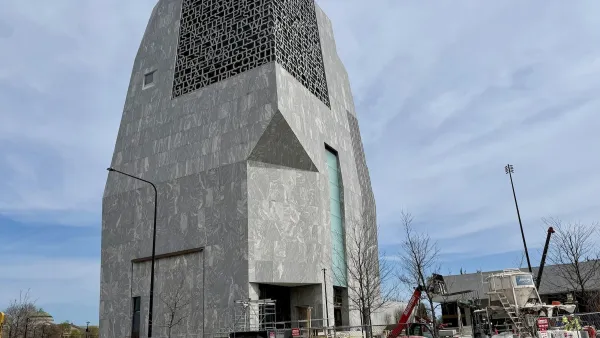
Short-term rental licenses grew by 46% near Obama Center as affordable homes disappear
The Chicago ward where the Obama library is located is one of the only parts of the city to see an increase in STR licenses.

Study: Maui’s Plan to Convert Vacation Rentals to Long-Term Housing Could Cause Nearly $1 Billion Economic Loss
The plan would reduce visitor accommodation by 25% resulting in 1,900 jobs lost.

Barcelona Buys Building to Prevent Tenant Evictions
One apartment building — and its tenants who faced eviction — became a potent symbol of the city’s growing housing crisis.

Planetizen Federal Action Tracker
A weekly monitor of how Trump’s orders and actions are impacting planners and planning in America.

The state-sanctioned urbicide of Austin
People don’t kill cities. Freeways do.

US to reduce Colorado River water deliveries to Mexico
A new Colorado Treaty amendment reduces Mexico’s Colorado River water allocation by 250,000 acre feet.

5 New England states march closer to 800 megawatt wind energy project
Securing federal approval for the project may be complicated under the Trump administration, which has historically been hostile towards domestic wind power.

Baltimore to break ground on $50 million Transit Priority Project
The project will bring faster bus trips, safer streets and better bike connections to Baltimore.

Airbnb launches $250 million 'last-dollar financing' housing accelerator, makes first investment in Austin
The company will put $6.4 million towards affordable housing development in Texas’ capital.

FREE Course: Walkable City 1: Why Walkability?
After describing his path towards focusing on walkability as the essence of good planning, Jeff Speck marches through his five principal reasons for making more walkable places.
Reinventing Malls: Planning Alchemy—Turning Gray Fields Into Gold
The course focuses on the opportunities and imperatives that shape reinvention of mall sites.

Eagle County Government
Harvard University Graduate School of Design
Nashville Planning Department
The Architects Foundation
University of Cincinnati Online
The Pocatello Development Authority
The Urban Renewal Agency of the City of Pocatello
Journal of the American Planning Association