Community-led efforts are crucial in protecting the unique biodiversity of Elephant Hill in Northeast LA, with a focus on preserving the threatened Southern California black walnut tree and ensuring public access to this vital green space.


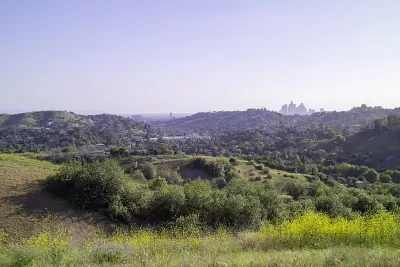
Elephant Hill, one of the largest remaining open spaces in Northeast LA, is a vital habitat that has become the focus of a community-driven conservation effort. In 2023, the Natural History Museum of LA County co-hosted the first Elephant Hill Community Nature Celebration and Habitat Survey with local groups like Save Elephant Hill and the North East LA Black Walnut Day Coalition. This event highlighted the area's ecological significance, with participants documenting species like the Southern California black walnut, a threatened tree native to the region.
The fight to protect Elephant Hill is ongoing and complex, involving legal battles, grant applications, and navigating the challenges of land ownership. The hill's 110 acres are partly public land, while the rest is subdivided into small lots with more than 300 individual owners. Despite these challenges, local groups are dedicated to preserving the space, using community science to document and protect its unique biodiversity. Their efforts emphasize the importance of public access to green spaces and the role of residents in land use decisions.
The Southern California black walnut tree, a resilient yet threatened species, has become a symbol of the community’s efforts to protect Elephant Hill. Organizations like Coyotl + Macehualli have utilized platforms like iNaturalist to track and raise awareness of the tree's presence, countering development pressures that threaten the habitat. These efforts underscore the importance of community-led conservation in defending not just the land but also the cultural and ecological heritage of the area.
As climate change and urban development continue to pose threats, the community's role in protecting Elephant Hill grows increasingly crucial. Through events, education, and outreach, residents are forging strong partnerships with institutions like NHM to ensure that Elephant Hill remains a sanctuary for wildlife and a source of inspiration for future conservation efforts. The collaboration between these groups highlights the power of relationships and the need for a comprehensive, community-driven approach to conservation.
Read the full story: Community Conservation at Elephant Hill

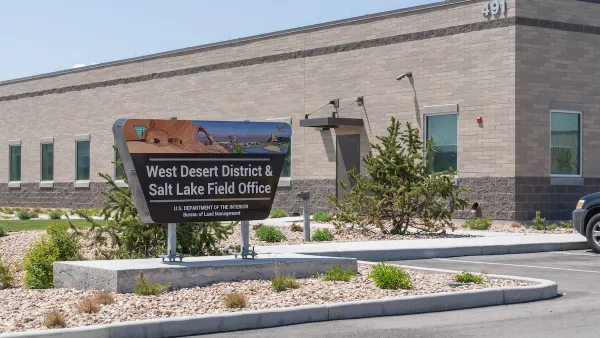
Public Lands Can Help Us Tackle the Housing Crisis in the West
The U.S. owns more than 650 million acres of public lands, and it has the power to sell or lease limited parcels for affordable housing. But mass disposal of public lands, as some legislators have proposed, is not the answer.
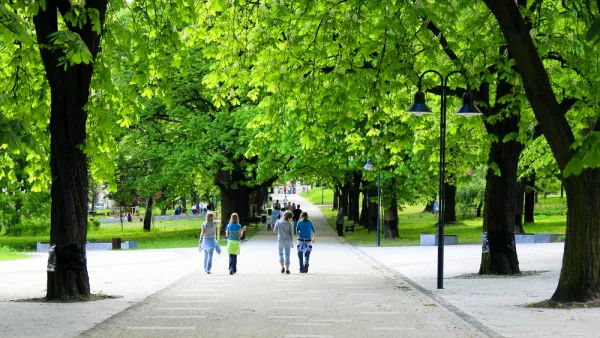
Growing Jobs by Growing Trees
Learn about some less-than-obvious jobs associated with trees and forests.
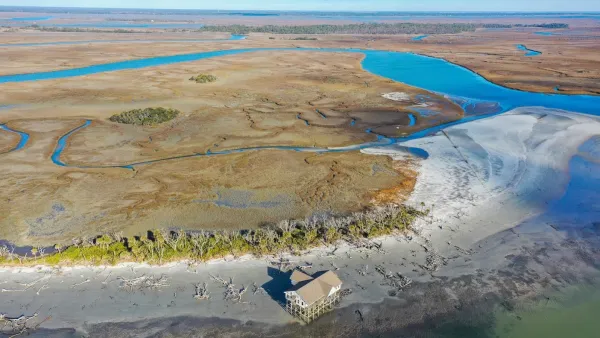
An Open Space Plan for Cultural Landscapes, Resilience, and Growth in the Coastal Southeast
The Beaufort County Greenprint Plan, completed in 2020, offers an innovative model of open space planning integrated within a larger planning framework.

Planetizen Federal Action Tracker
A weekly monitor of how Trump’s orders and actions are impacting planners and planning in America.

The state-sanctioned urbicide of Austin
People don’t kill cities. Freeways do.

US to reduce Colorado River water deliveries to Mexico
A new Colorado Treaty amendment reduces Mexico’s Colorado River water allocation by 250,000 acre feet.

Nation's most wind-powered state turns to coal as data centers increase energy demand
For the first time in decades, Iowa has increased its generation of coal power.

NYC cools commuters with city's first rain garden above a bus stop
New York City officials say the plants in the rain garden can absorb 16 gallons of rainwater during heavy storms.

Brightline West’s future may rely on $6 billion federal loan
The company has until Nov. 2 to make a $400 million equity investment into its proposed high-speed rail line.

FREE Course: Walkable City 1: Why Walkability?
After describing his path towards focusing on walkability as the essence of good planning, Jeff Speck marches through his five principal reasons for making more walkable places.
Reinventing Malls: Planning Alchemy—Turning Gray Fields Into Gold
The course focuses on the opportunities and imperatives that shape reinvention of mall sites.


Eagle County Government
Harvard University Graduate School of Design
Nashville Planning Department
The Architects Foundation
University of Cincinnati Online
The Pocatello Development Authority
The Urban Renewal Agency of the City of Pocatello
Journal of the American Planning Association