An update to the city’s zoning code makes way for a project that would reclaim a former highway and create new green space and recreation opportunities.


The city council in one of New York City’s densest suburbs approved new zoning rules that will allow a proposed linear park project to move forward.
According to a press release from the city of New Rochelle, a new DO-8 Overlay zoning district in the Lincoln neighborhood will “encourage new development, creation of a wider range of community-serving businesses and re-establish the neighborhood’s “community corners” at Lincoln Avenue and Brook Street.”
The project, dubbed LINC, “ will transform a portion of Memorial Highway into a walkable public linear park with over eight acres of lush green space, a new 14,000 square foot plaza with capacity for a 264-seat amphitheater, increased safety features, updated streetscapes and direct access to new economic opportunities for residents. Bike lanes will create direct access to the downtown Transit Center and connect neighborhoods west of Memorial Highway to the North Avenue shopping district and beyond.”
The historically Black neighborhood was negatively impacted by the construction of the highway, which destroyed homes and businesses in the area. The LINC project will also improve infrastructure such as stormwater and sewers to prevent flooding and improve permeability.
The city has received $45 million in funding for the project from sources including the U.S Department of Transportation’s FY23 Reconnecting Communities and Neighborhoods (RCN) and Neighborhood Access and Equity (NAE) grant programs, the U.S. DOT’s Rebuilding American Infrastructure with Sustainability and Equity (RAISE) program, and New York State’s Downtown Revitalization Initiative (DRI).
FULL STORY: New Rochelle City Council Adopts New Zoning to Advance LINC Project in Lincoln Avenue Neighborhood

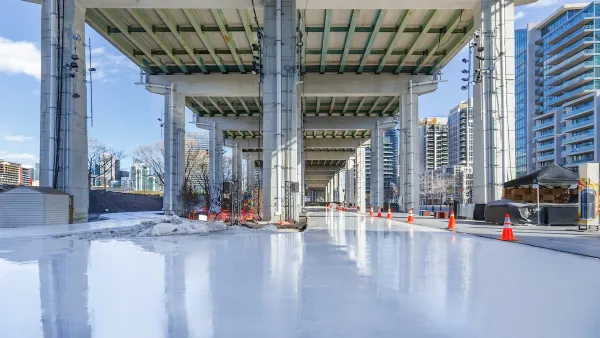
Montreal’s Gorilla Park Repurposes Defunct Railway Track
The park is part of a global movement to build public spaces that connect neighbors and work with local elements to serve as key parts of a city’s green infrastructure.
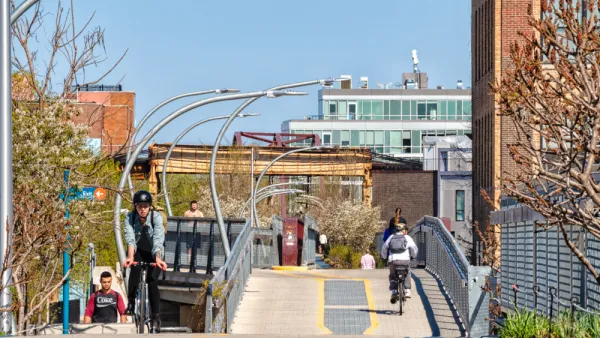
Don't Call it The 606: Chicago's Popular Linear Park Gets a New Name
The Chicago Park District wants to be extra sure we're all clear on this.
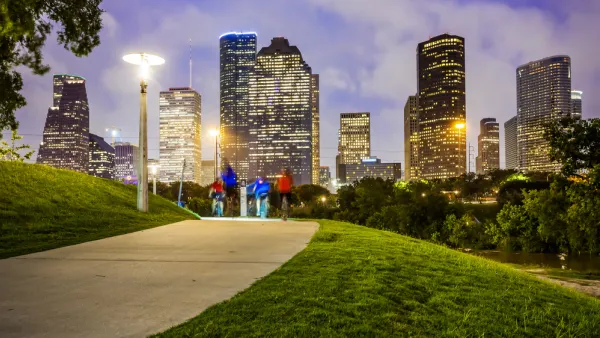
The Gentrification Effect of Urban Parks
New research finds that different types of parks correlate with different gentrification effects, adding to the complexity of urban change.

The state-sanctioned urbicide of Austin
People don’t kill cities. Freeways do.

US to reduce Colorado River water deliveries to Mexico
A new Colorado Treaty amendment reduces Mexico’s Colorado River water allocation by 250,000 acre feet.

New Jersey’s second-largest city bans standalone data centers
Jersey City will continue to allow co-location facilities, such as those meant for research institutions that store their own data.

Amtrak not solely to blame for New Jersey commuter rail's unreliability, report finds
A new study from the Garden State Initiative found that NJ Transit’s budget grew 20% across a 4 year period, but reliability declined significantly over the same period.

EPA erases limits on planet-warming pollution from power plants
Under Monday’s plan, power plants would still have some limits on how much mercury, arsenic and other contaminants they can emit.

Phoenix announces new on-demand transit service, more frequent RAPID buses
Both new services will launch in October, and are part of Phoenix's Project Effective Access Solutions for Easing Congestion.

FREE Course: Walkable City 1: Why Walkability?
After describing his path towards focusing on walkability as the essence of good planning, Jeff Speck marches through his five principal reasons for making more walkable places.
Reinventing Malls: Planning Alchemy—Turning Gray Fields Into Gold
The course focuses on the opportunities and imperatives that shape reinvention of mall sites.

Eagle County Government
Harvard University Graduate School of Design
Nashville Planning Department
The Architects Foundation
University of Cincinnati Online
The Pocatello Development Authority
The Urban Renewal Agency of the City of Pocatello
Journal of the American Planning Association