Lawmakers say the agreement prevents a drawn-out legislative battle and establishes a new source of transit funding.


Colorado lawmakers have agreed to drop one set of air quality legislation and propose two new bills to “codify agency rules that cut smog-forming compounds from drilling operations into state law and establish a new fee for oil and gas production” in an effort to prevent a lengthy ballot process and legislative back-and-forth and to create a new source of transit revenue. “Kelly Nordini, the CEO of Conservation Colorado, said the agreement offered a better outcome than pursuing a divisive and complicated ballot fight this fall.”
According to reporting by Sam Brasch, Nathaniel Minor, and Bente Birkeland for Colorado Public Radio News, “State. Sen President Steve Fenberg, D-Boulder, said the new fee is expected to generate an average of $138 million annually. Eighty percent of the new revenue stream would go toward public transit across the state, including a potential Front Range rail line. The other 20 percent would support parks and wildlife conservation.”
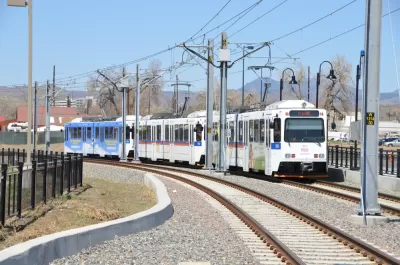
The new funding could help complete the Regional Transportation District’s (RTD) FasTracks rail construction plan that voters approved in 2004 and which remains incomplete. Of the projected new transit revenue, 70 percent would go to local operations and the rest would fund state rail projects and grants.
FULL STORY: Gov. Polis announces major oil and gas truce in exchange for transit funding

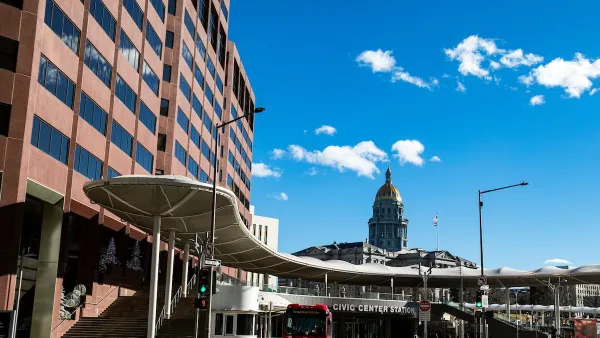
Denver Transit Board Approves $1.2 Billion Budget
The 2025 budget for the Regional Transportation District is the largest in the agency’s 55-year history.
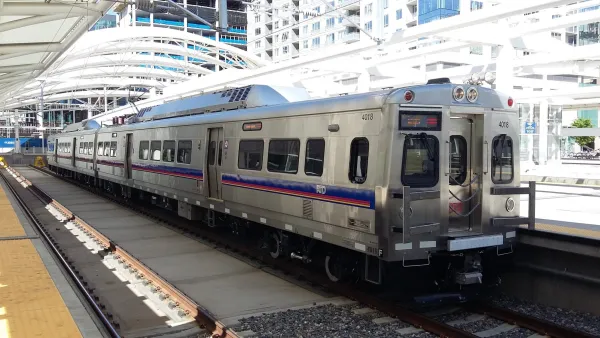
Denver Transit Proposal Could Lower Fares, Make Transit Free for Youth
The agency released a draft plan to eliminate regional zones, make airport trips more affordable, and reduce fares systemwide.
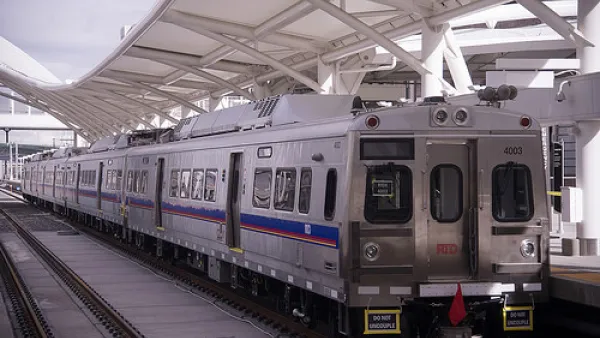
Denver Train Problems Caused by Tall Buildings: RTD
The A and G Lines use GPS for their crossing gates, they claim that a new software patch and other improvements would resolve those issues and put the G line on schedule.

The state-sanctioned urbicide of Austin
People don’t kill cities. Freeways do.

US to reduce Colorado River water deliveries to Mexico
A new Colorado Treaty amendment reduces Mexico’s Colorado River water allocation by 250,000 acre feet.

New Jersey’s second-largest city bans standalone data centers
Jersey City will continue to allow co-location facilities, such as those meant for research institutions that store their own data.

Amtrak not solely to blame for New Jersey commuter rail's unreliability, report finds
A new study from the Garden State Initiative found that NJ Transit’s budget grew 20% across a 4 year period, but reliability declined significantly over the same period.

EPA erases limits on planet-warming pollution from power plants
Under Monday’s plan, power plants would still have some limits on how much mercury, arsenic and other contaminants they can emit.

Phoenix announces new on-demand transit service, more frequent RAPID buses
Both new services will launch in October, and are part of Phoenix's Project Effective Access Solutions for Easing Congestion.

FREE Course: Walkable City 1: Why Walkability?
After describing his path towards focusing on walkability as the essence of good planning, Jeff Speck marches through his five principal reasons for making more walkable places.
Reinventing Malls: Planning Alchemy—Turning Gray Fields Into Gold
The course focuses on the opportunities and imperatives that shape reinvention of mall sites.

Eagle County Government
Harvard University Graduate School of Design
Nashville Planning Department
The Architects Foundation
University of Cincinnati Online
The Pocatello Development Authority
The Urban Renewal Agency of the City of Pocatello
Journal of the American Planning Association