The Union of Concerned Scientists takes us on a “trip down memory ‘train,’” examining the history of public transit, including its chronic disinvestment and perpetuation of racism, from the 1800s to today.


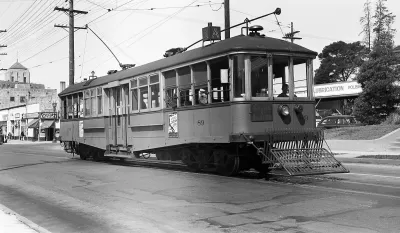
The Union of Concerned Scientists (UCS) recently published a brief, informative history of public transit in the U.S. that examines how, despite the fact that being able to get from place to place is “the foundation for a thriving community and sets the stage for growing our economy and upward mobility,” our current transportation system falls short and leaves many of us disconnected. Despite the success of privately run streetcar systems in the 1800s and early 1900s, “city, state, and federal politicians, along with private sector interests made intentional decisions that locked in car-dependent infrastructure,” writes Kevin X. Shen, Northeast transportation policy analyst and advocate with the UCS. Despite the federal government passing the Urban Mass Transportation Act of 1964, transit has been historically underfunded.
Shen’s article outlines the racist underpinnings of both early transit and how the prioritizing of car infrastructure and construction of the interstate highway system perpetuated racial inequality and injustices, as well as the decades of ongoing debate in Congress over whether the federal government should be funding local transit at all rather than focusing on highways. He concludes with a summary of where this history has gotten us — “With decades of low commitment to transit and instead investing in car dependence, transportation is now the largest sector of US greenhouse gas emissions, is the second largest household expenditure, and remains a key factor perpetuating inequities in our country” — and looks to what our next chapter could hold.
Read the full story: A Trip Down Memory “Train”: A Brief History of Public Transit

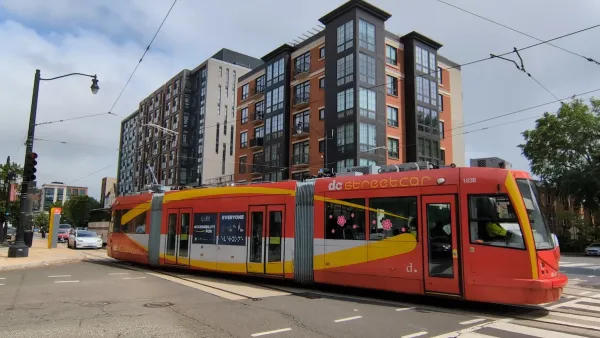
Budget Cuts Kill DC Streetcar a Year Ahead of Schedule
The line was originally slated to end service in 2027, but funding cuts will force its closure next March.
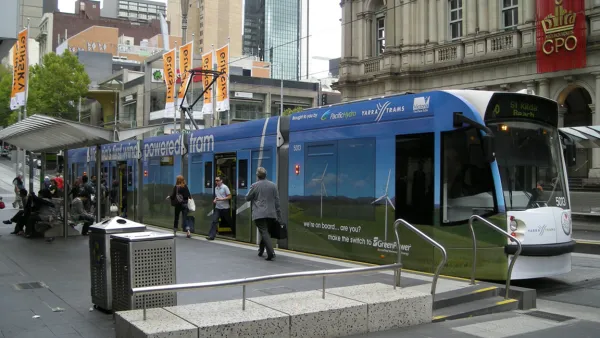
Debate: Why Did Trams Die in the 20th Century?
A Toronto professor pushes against Christian Wolmar's assertion that the tram's demise can be connected to anti-worker policy. For one thing, trams never went away in some cities.
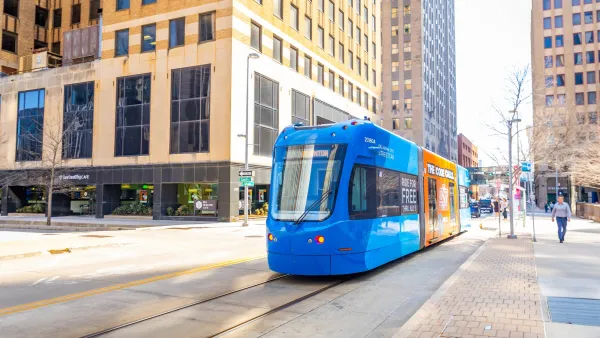
OKC streetcar will stay fare-free after ridership shot up 74%
The downtown streetcar saw a surge in ridership after it eliminated fares in January.

Planetizen Federal Action Tracker
A weekly monitor of how Trump’s orders and actions are impacting planners and planning in America.

The state-sanctioned urbicide of Austin
People don’t kill cities. Freeways do.

Colorado’s Largest Data Center Could Rise Next to Homes — Without a Public Hearing
The proposed campus would consume 11 times the power of Denver International Airport; as it has across the country, opposition mounts.

Judges permit Denver to divert 77,000 acre feet from the Colorado River for reservoir expansion
Overuse and climate change have caused the Colorado River’s water levels to plummet.
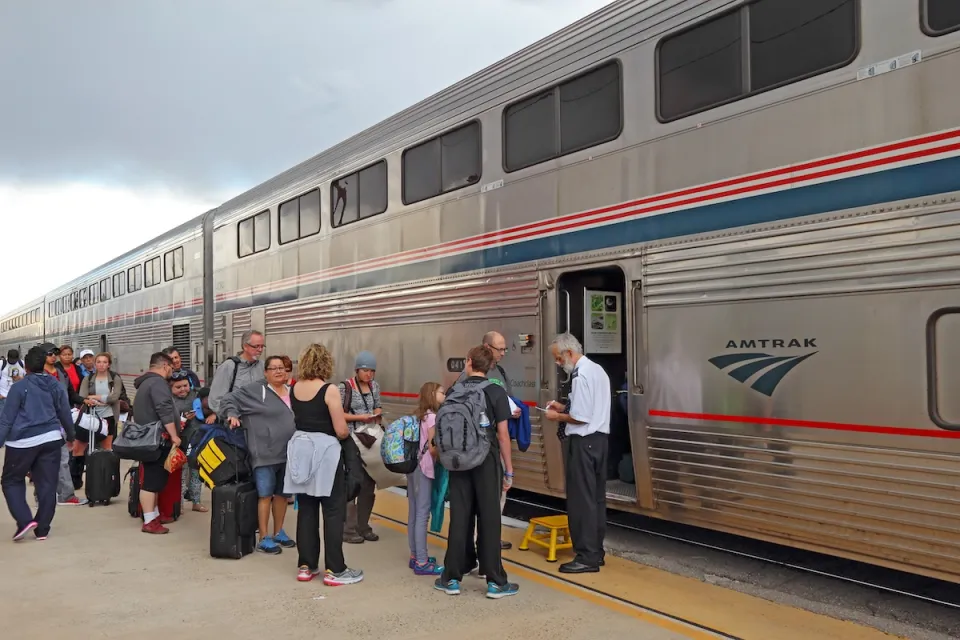
Amtrak, CN end decades-long dispute with eight-year agreement
The new operating agreement establishes an updated framework for the companies to work together, including processes to resolve disputes.
Raised interest rates may kill financially vulnerable construction projects
The chief economist at ConstructConnect warns that if construction project owners are negatively impacted by the raised rates, it could result in delayed payments to contractors.

FREE Course: Walkable City 1: Why Walkability?
After describing his path towards focusing on walkability as the essence of good planning, Jeff Speck marches through his five principal reasons for making more walkable places.
Reinventing Malls: Planning Alchemy—Turning Gray Fields Into Gold
The course focuses on the opportunities and imperatives that shape reinvention of mall sites.


KFH Group Inc.
Greater Baltimore Committee
Eagle County Government
The Architects Foundation
University of Cincinnati Online
The Pocatello Development Authority
The Urban Renewal Agency of the City of Pocatello