Major infrastructure projects face ballooning costs, putting basic maintenance and safety upgrade projects on the back burner.


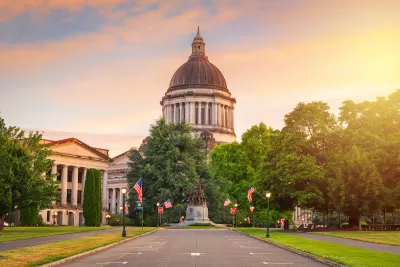
Discussions about transportation in the Washington state legislative session will likely be dominated by the vast cost overruns on many of the state’s planned transportation megaprojects.
Across the country, infrastructure and construction projects are ballooning in cost due to inflation and increases in material and labor costs, and Washington is no different. Yet lawmakers have made no indication that they plan to take any major highway projects off the table, writes Ryan Packer in The Urbanist. “With highway megaprojects and culverts eating up a larger and larger share of the state transportation budget due to cost overruns, the state’s maintenance budget is also set to suffer the consequences.” As Packer explains, Complete Streets upgrades are required as a component of any major maintenance project—and could fall by the wayside.
According to Packer, Governor Jay Inslee’s proposed budget is focused on the state’s ferry system. “Inslee’s budget would invest millions in adding vessel crew and dispatch staff, increase staff development programs at Washington State Ferries, and would double the budget that the state has in place to recruit ferry staff from out-of-state.” The proposal also allocates $30.9 million for the Washington State Patrol.
FULL STORY: Highway Cost Overruns Dominate State Transportation Budget Discussions

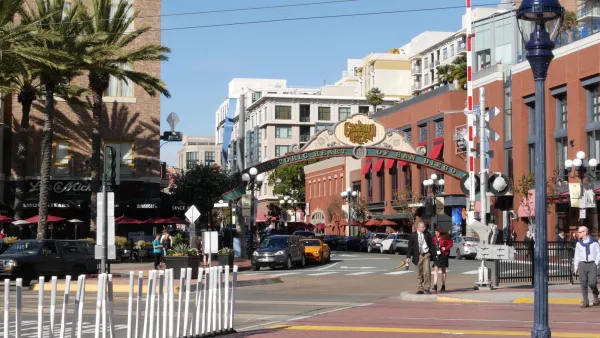
San Diego budget axes multimodal team at DOT
The budget scales back funding for some bike lane and traffic safety projects that are already in the works.
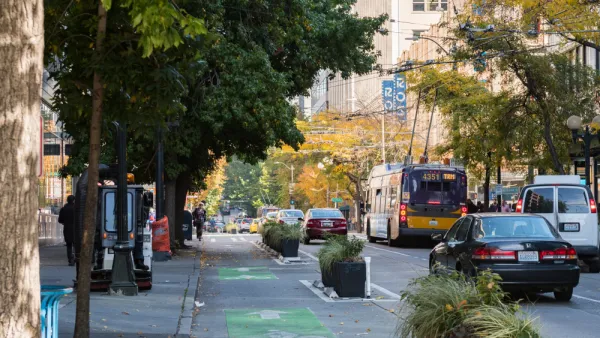
How Complete Streets Stands to Lose in the FY26 ‘Skinny Budget’
The President’s proposed budget could cut key resources for active transportation, public transit, and road safety programs.
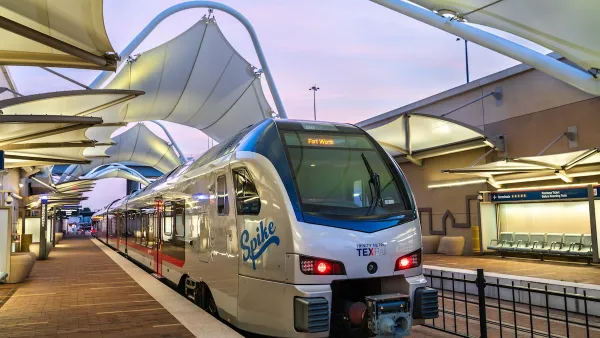
North Texas Transportation Council Advocates for Road Safety, Rail Projects
The North Texas Regional Transportation Council issued a series of recommendations for state legislators that include more support for road safety projects and high-speed rail.

Planetizen Federal Action Tracker
A weekly monitor of how Trump’s orders and actions are impacting planners and planning in America.

The state-sanctioned urbicide of Austin
People don’t kill cities. Freeways do.

US to reduce Colorado River water deliveries to Mexico
A new Colorado Treaty amendment reduces Mexico’s Colorado River water allocation by 250,000 acre feet.

5 New England states march closer to 800 megawatt wind energy project
Securing federal approval for the project may be complicated under the Trump administration, which has historically been hostile towards domestic wind power.

Baltimore to break ground on $50 million Transit Priority Project
The project will bring faster bus trips, safer streets and better bike connections to Baltimore.

Airbnb launches $250 million 'last-dollar financing' housing accelerator, makes first investment in Austin
The company will put $6.4 million towards affordable housing development in Texas’ capital.

FREE Course: Walkable City 1: Why Walkability?
After describing his path towards focusing on walkability as the essence of good planning, Jeff Speck marches through his five principal reasons for making more walkable places.
Reinventing Malls: Planning Alchemy—Turning Gray Fields Into Gold
The course focuses on the opportunities and imperatives that shape reinvention of mall sites.

Eagle County Government
Harvard University Graduate School of Design
Nashville Planning Department
The Architects Foundation
University of Cincinnati Online
The Pocatello Development Authority
The Urban Renewal Agency of the City of Pocatello
Journal of the American Planning Association