The city is moving to institutionalize segments of streets that were successfully pedestrianized during the pandemic.


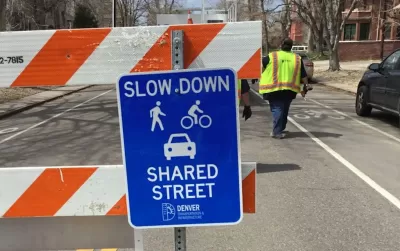
In a paywalled article in The Denver Post, Bruce Finley describes the city of Denver’s plan to make three segments of its downtown streets pedestrian-only permanently.
As Finley explains, “Two stretches along Larimer Street and one on Glenarm Place in the heart of downtown have entered a city process to stay closed for another five years. After 2028, those closures — backed by business owners and economic development groups — would become permanent if nobody objects.” The city will also create new open streets and green spaces on some residential streets.
“Street closures fit into a citywide long-term overhaul, costing up to $800 million a year, to enable more car-free transportation. City planning documents lay out multiple large-scale projects including the installation of more than 100 miles of “Bus Rapid Transit” — buses that move in exclusive lanes — on major routes. They also call for demarcating 400 miles of new bicycle-only lanes and making pedestrian-friendly improvements along 1,300 miles of streets.”
The city’s experience with open streets during the pandemic highlighted the benefits and challenges of pedestrianizing more spaces, Finley notes. “Over two years, city transportation officials measured a 287% spike in walking, riding scooters, and biking. In August 2021, streets reverted to vehicle-priority status and barriers were removed.”
FULL STORY: Denver moves to permanently close some streets to traffic

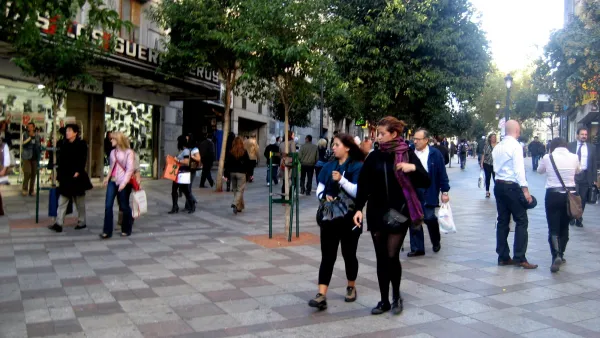
Pedestrian Malls in the 21st Century
The successes and failures of past pedestrian malls can inform the future of pandemic-induced "open streets" programs.
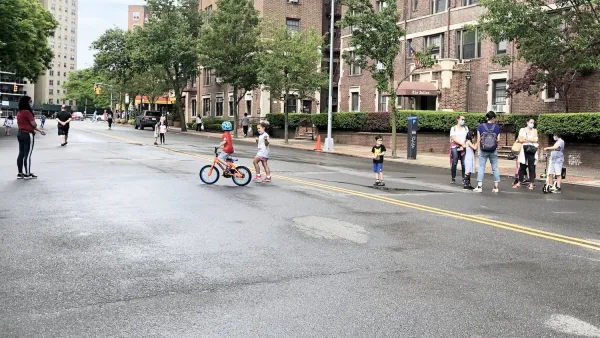
NYC Open Streets Organizers Call for City Support
The number of open streets projects has dropped year after year as volunteer groups struggle to fund and staff them.
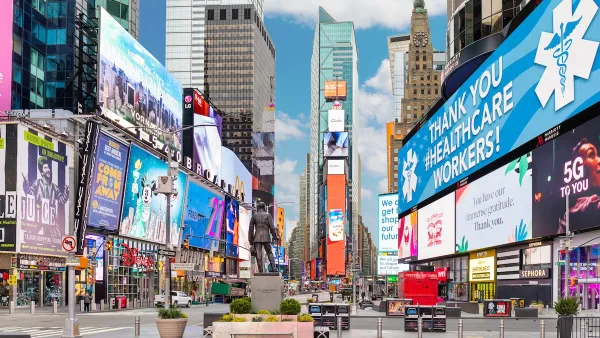
NYC Officials Announce Broadway Pedestrianization Project
Two blocks of the marquee street will become mostly car-free public spaces.

The state-sanctioned urbicide of Austin
People don’t kill cities. Freeways do.

US to reduce Colorado River water deliveries to Mexico
A new Colorado Treaty amendment reduces Mexico’s Colorado River water allocation by 250,000 acre feet.

New Jersey’s second-largest city bans standalone data centers
Jersey City will continue to allow co-location facilities, such as those meant for research institutions that store their own data.

Amtrak not solely to blame for New Jersey commuter rail's unreliability, report finds
A new study from the Garden State Initiative found that NJ Transit’s budget grew 20% across a 4 year period, but reliability declined significantly over the same period.

EPA erases limits on planet-warming pollution from power plants
Under Monday’s plan, power plants would still have some limits on how much mercury, arsenic and other contaminants they can emit.

Phoenix announces new on-demand transit service, more frequent RAPID buses
Both new services will launch in October, and are part of Phoenix's Project Effective Access Solutions for Easing Congestion.

FREE Course: Walkable City 1: Why Walkability?
After describing his path towards focusing on walkability as the essence of good planning, Jeff Speck marches through his five principal reasons for making more walkable places.
Reinventing Malls: Planning Alchemy—Turning Gray Fields Into Gold
The course focuses on the opportunities and imperatives that shape reinvention of mall sites.

Eagle County Government
Harvard University Graduate School of Design
Nashville Planning Department
The Architects Foundation
University of Cincinnati Online
The Pocatello Development Authority
The Urban Renewal Agency of the City of Pocatello
Journal of the American Planning Association