New tech can streamline boarding and make fare capping easier, but can risk creating new challenges for low-income riders.



According to an article by John Adams in American Banker, contactless transit fare collection, which grew sharply during the pandemic as agencies sought ways to keep riders and operators safe and prevent the spread of Covid-19, are transforming transit in a variety of ways.
In Mexico City and Lisbon, Portugal, contactless payment systems that work with iPhones and other devices let riders avoid prepayment and make travel easier for tourists and travelers who don’t have local transit cards. “In June, the Netherlands became one of the first countries to adopt an open loop contactless transit payments system for the entire country. Travelers can use any debit, credit or digital wallet account on all buses, trains, metro systems, trams and ferries across all local networks.”
Moving to contactless fare collection can speed up service, reducing the time needed for boarding and allowing for all-door boarding, and creates the opportunity for fare capping. But some transit advocates say removing a cash option puts many low-income riders at a disadvantage. In Los Angeles, new fare collection tech and a fare capping program are being combined with community outreach and distribution of TAP cards to ensure the cost of the cards isn’t a burden to riders who traditionally pay in cash.
Read the full story: The many ways contactless payments are transforming mass transit

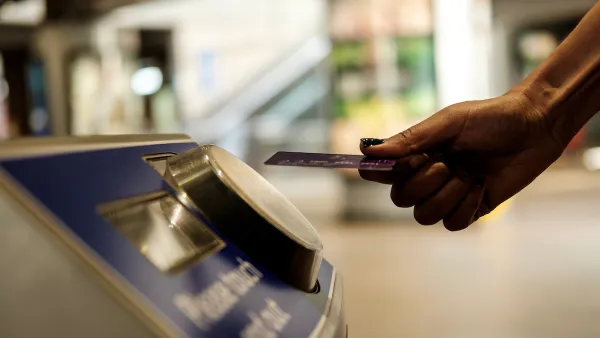
How Fare Collection Tech is Changing Transit Operations
Cashless fare options let agencies enable fare capping, track rider behavior, and eliminate proprietary fare cards.
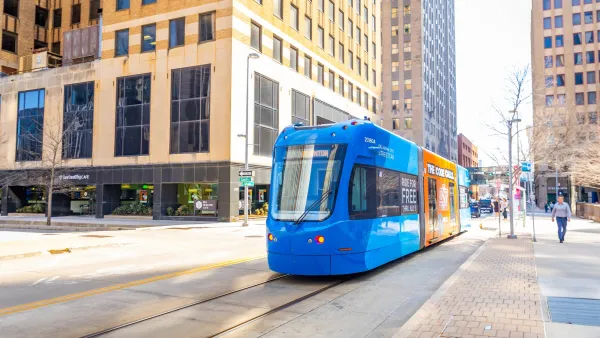
OKC streetcar will stay fare-free after ridership shot up 74%
The downtown streetcar saw a surge in ridership after it eliminated fares in January.
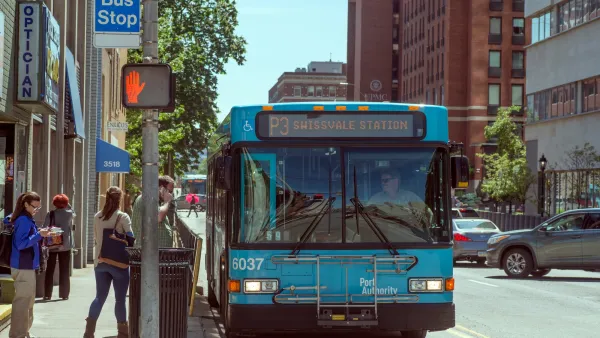
750 Pittsburgh city workers to get free transit passes
City employees working downtown will have access to free transit from Pittsburgh Regional Transit.

Planetizen Federal Action Tracker
A weekly monitor of how Trump’s orders and actions are impacting planners and planning in America.

The state-sanctioned urbicide of Austin
People don’t kill cities. Freeways do.

US to reduce Colorado River water deliveries to Mexico
A new Colorado Treaty amendment reduces Mexico’s Colorado River water allocation by 250,000 acre feet.

Brightline West’s future may rely on $6 billion federal loan
The company has until Nov. 2 to make a $400 million equity investment into its proposed high-speed rail line.

LA Metro’s ultimatum: no extra buses for LA28 if federal funding isn’t imminently secured
If Metro does not provide additional buses, LA28 organizers will have to find a new way to manage Olympic traffic. LA28’s budget does not include a line item for transit.

Colorado’s Largest Data Center Could Rise Next to Homes — Without a Public Hearing
The proposed campus would consume 11 times the power of Denver International Airport; as it has across the country, opposition mounts.

FREE Course: Walkable City 1: Why Walkability?
After describing his path towards focusing on walkability as the essence of good planning, Jeff Speck marches through his five principal reasons for making more walkable places.
Reinventing Malls: Planning Alchemy—Turning Gray Fields Into Gold
The course focuses on the opportunities and imperatives that shape reinvention of mall sites.

Eagle County Government
Harvard University Graduate School of Design
Nashville Planning Department
The Architects Foundation
University of Cincinnati Online
The Pocatello Development Authority
The Urban Renewal Agency of the City of Pocatello
Journal of the American Planning Association