A pilot program will send letters and text messages directly to drivers with histories of speeding and reckless driving warning them of the increased risk for themselves and others.


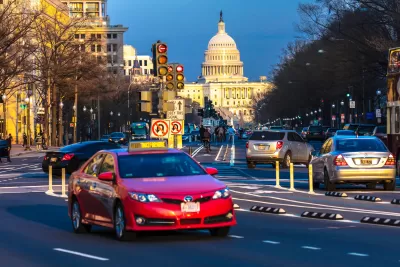
The District of Columbia hopes a new communications campaign will encourage safer driving behaviors, reports Martin Austermuhle in DCist.
“The city is starting a year-long pilot program where it will send targeted letters and text messages to almost 100,000 drivers who have received a large number of speeding and red-light tickets from the city’s network of traffic cameras, with the hope that those direct and somewhat stern missives will change their driving habits for the better.” The letter notifies recipients that their vehicle has a history of dangerous driving and includes alarming phrases like “YOUR CAR IS MORE LIKELY TO BE IN A CRASH THAN OTHERS ARE.”
The program is designed as one part of the larger Vision Zero program. According to Sam Quinney, director of the city’s in-house research arm The Lab @ D.C., “The goal here is not to be punitive. This is not an attempt to shame drivers. What we’re trying to do is make them aware of their risk.”
The District, like other U.S. cities, has made little progress through its Vision Zero initiative, which was criticized by the D.C. Auditor for a lack of oversight and funding.
Read the full story: Can Letters And Text Messages Get Dangerous Drivers To Change Their Ways? D.C. Wants To Find Out

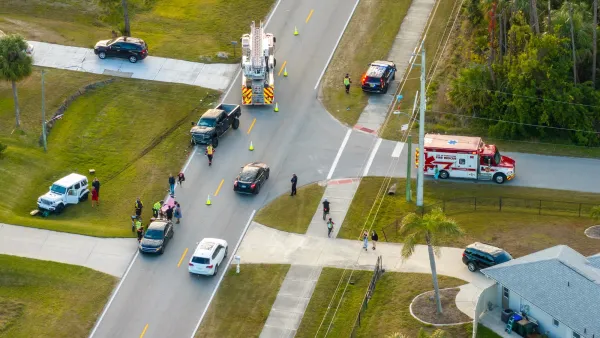
Pedestrian Deaths Fell by Largest Percentage in 15 Years, but Remain Above Pre-Pandemic Levels
After a spike in deaths during the Covid-19 years, road deaths fell to 3,024 in the first half of 2025.
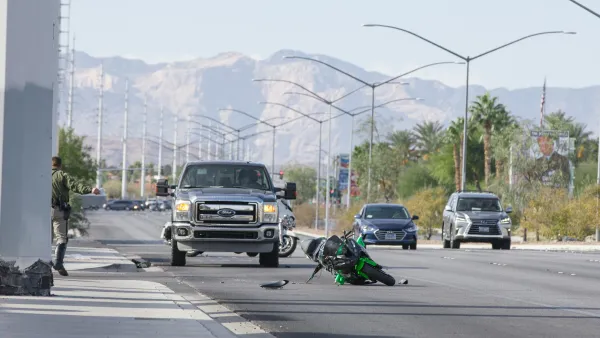
Nevada’s Highway Safety Plan Targets 35% Drop in Traffic Deaths by 2035
The 2026-2030 plan aims to reduce deaths and serious injuries with a long-term goal of eliminating traffic deaths by 2050.

OKC Releases Draft Vision Zero Plan
The plan identifies a High Injury Network and strategies for improving road safety on Oklahoma City streets.

Planetizen Federal Action Tracker
A weekly monitor of how Trump’s orders and actions are impacting planners and planning in America.

The state-sanctioned urbicide of Austin
People don’t kill cities. Freeways do.

US to reduce Colorado River water deliveries to Mexico
A new Colorado Treaty amendment reduces Mexico’s Colorado River water allocation by 250,000 acre feet.

Nation's most wind-powered state turns to coal as data centers increase energy demand
For the first time in decades, Iowa has increased its generation of coal power.

NYC cools commuters with city's first rain garden above a bus stop
New York City officials say the plants in the rain garden can absorb 16 gallons of rainwater during heavy storms.

Brightline West’s future may rely on $6 billion federal loan
The company has until Nov. 2 to make a $400 million equity investment into its proposed high-speed rail line.

FREE Course: Walkable City 1: Why Walkability?
After describing his path towards focusing on walkability as the essence of good planning, Jeff Speck marches through his five principal reasons for making more walkable places.
Reinventing Malls: Planning Alchemy—Turning Gray Fields Into Gold
The course focuses on the opportunities and imperatives that shape reinvention of mall sites.

Eagle County Government
Harvard University Graduate School of Design
Nashville Planning Department
The Architects Foundation
University of Cincinnati Online
The Pocatello Development Authority
The Urban Renewal Agency of the City of Pocatello
Journal of the American Planning Association