The new program targets neighborhood streets for safety improvements such as speed humps and intersection redesigns.


Boston Mayor Michelle Wu announced a plan to install hundreds of new speed humps and intersection safety improvements, reports Christian MilNeil in Streetsblog Mass, replacing the Neighborhood Slow Streets program created during the Walsh administration which, Milneil explains, “was extremely popular, but … was also resource-intensive, and its projects typically took multiple years to emerge from concept to construction.”
The new approach, dubbed a ‘safety surge’ by the city, focuses on comprehensive and quick traffic calming improvements. “By redesigning intersections and roadways, and improving traffic signals, we will help people get around while making sure our community members are safe,” said Mayor Wu in a press release. “The city says it aims to install up to 500 new speed humps on an annual basis on smaller neighborhood side streets.”
According to MilNeil, “Another element of the ‘safety surge’ will aim to slow down motor vehicles at crash-prone intersections, with a particular focus on intersections near parks, schools, community centers, or housing for older adults.”
The initiative also updates the city’s traffic signal policy to consider pedestrian safety. “The new edition requires the city’s engineers to consider new performance measures for evaluating traffic signal operations, including pedestrian delay and ‘Lowest Pedestrian Speed Accommodated.’”
Read the full story: Wu Admin Announces ‘Safety Surge’ of Traffic Calming for Neighborhood Streets

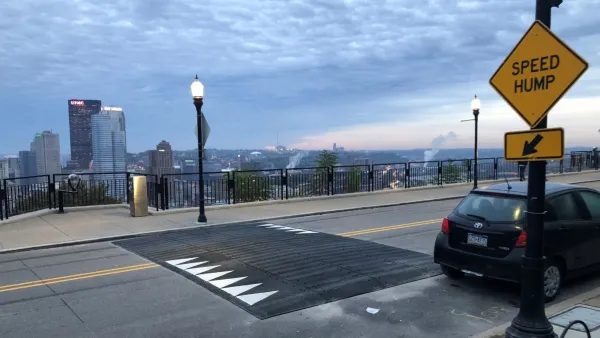
Pittsburgh Excels at Low-Cost, Quick-Build Traffic Calming
The city’s traffic calming initiative has led to a 6 percent average reduction in speeds on corridors with recent interventions.
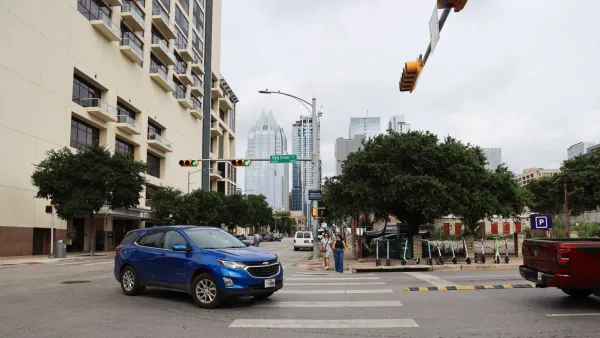
Austin ‘Turn Calming’ Cut Pedestrian-Involved Left Turn Crashes by Nearly Half
A pilot program at 16 intersections led to a dramatic reduction in injury crashes and is saving residents roughly $3 million in emergency response and medical expenses.
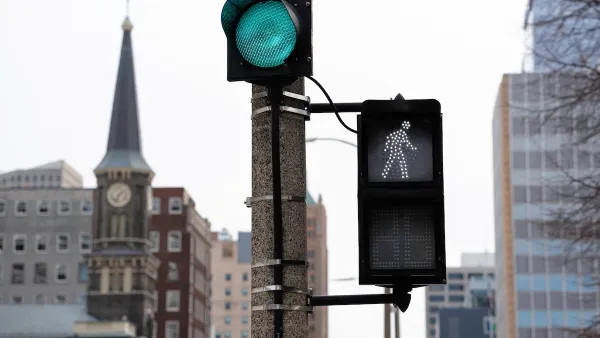
Milwaukee Announces 60 Traffic Calming Projects for 2025
The city has successfully reduced traffic deaths and aims to eliminate them completely within the next decade.

Planetizen Federal Action Tracker
A weekly monitor of how Trump’s orders and actions are impacting planners and planning in America.

The state-sanctioned urbicide of Austin
People don’t kill cities. Freeways do.

US to reduce Colorado River water deliveries to Mexico
A new Colorado Treaty amendment reduces Mexico’s Colorado River water allocation by 250,000 acre feet.

Nation's most wind-powered state turns to coal as data centers increase energy demand
For the first time in decades, Iowa has increased its generation of coal power.

NYC cools commuters with city's first rain garden above a bus stop
New York City officials say the plants in the rain garden can absorb 16 gallons of rainwater during heavy storms.

Brightline West’s future may rely on $6 billion federal loan
The company has until Nov. 2 to make a $400 million equity investment into its proposed high-speed rail line.

FREE Course: Walkable City 1: Why Walkability?
After describing his path towards focusing on walkability as the essence of good planning, Jeff Speck marches through his five principal reasons for making more walkable places.
Reinventing Malls: Planning Alchemy—Turning Gray Fields Into Gold
The course focuses on the opportunities and imperatives that shape reinvention of mall sites.

Greater Baltimore Committee
Eagle County Government
Harvard University Graduate School of Design
The Architects Foundation
University of Cincinnati Online
The Pocatello Development Authority
The Urban Renewal Agency of the City of Pocatello
Journal of the American Planning Association