One in five Americans with limited access to transit and no vehicle have to forego medical appointments.


A new report from the Urban Institute highlights the link between access to transportation and public health, noting that “More than 20% of people without a personal vehicle and with only poor or fair access to public transportation said they had foregone healthcare needs because of difficulty finding transportation.” Missed appointments can prevent people from getting the care they need and cost the healthcare industry up to $150 billion each year.
Shannon Muchmore summarizes the study in Smart Cities Dive, outlining how the findings can help policymakers and medical providers understand gaps in transit and health systems. “Insurers, particularly in the Medicare Advantage program, have expanded benefit offerings to include a ride to a doctor’s appointment in some cases. Providers have partnered with companies such as Uber and Lyft to provide transportation.”
Muchmore adds that telehealth services are helping to fill the gap, but relaxed Covid-era regulations that permitted more virtual health services are still considered temporary.
FULL STORY: Without vehicle or viable public transit, 1 in 5 miss needed healthcare: report

Linking Transportation Access and Public Health
Millions of Americans miss medical care and other important day-to-day appointments due to a lack of access to reliable transportation.
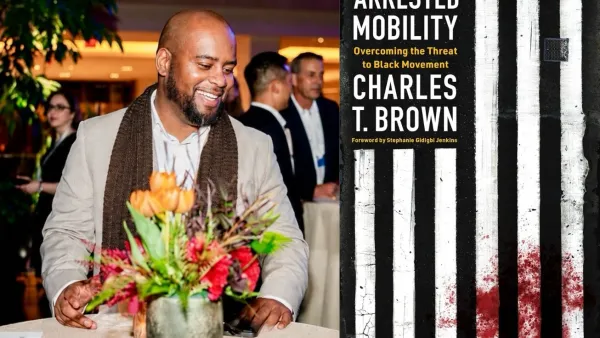
'Arrested mobility' and the fight for Black movement
Author Charles T. Brown explains how his experience growing up in rural Mississippi shaped his worldview and his current work for equitable transportation.
Planning for True Transportation Affordability: Beyond Common Misconceptions
Transportation affordability is important but often misunderstood, resulting in misguided solutions. New research helps identify ways to provide true affordability for economic freedom, opportunity and happiness.

Planetizen Federal Action Tracker
A weekly monitor of how Trump’s orders and actions are impacting planners and planning in America.

The state-sanctioned urbicide of Austin
People don’t kill cities. Freeways do.

US to reduce Colorado River water deliveries to Mexico
A new Colorado Treaty amendment reduces Mexico’s Colorado River water allocation by 250,000 acre feet.

5 New England states march closer to 800 megawatt wind energy project
Securing federal approval for the project may be complicated under the Trump administration, which has historically been hostile towards domestic wind power.

Baltimore to break ground on $50 million Transit Priority Project
The project will bring faster bus trips, safer streets and better bike connections to Baltimore.

Airbnb launches $250 million 'last-dollar financing' housing accelerator, makes first investment in Austin
The company will put $6.4 million towards affordable housing development in Texas’ capital.

FREE Course: Walkable City 1: Why Walkability?
After describing his path towards focusing on walkability as the essence of good planning, Jeff Speck marches through his five principal reasons for making more walkable places.
Reinventing Malls: Planning Alchemy—Turning Gray Fields Into Gold
The course focuses on the opportunities and imperatives that shape reinvention of mall sites.

Eagle County Government
Harvard University Graduate School of Design
Nashville Planning Department
The Architects Foundation
University of Cincinnati Online
The Pocatello Development Authority
The Urban Renewal Agency of the City of Pocatello
Journal of the American Planning Association