A public health expert calls on transportation planners to ensure all residents have access to reliable transportation.


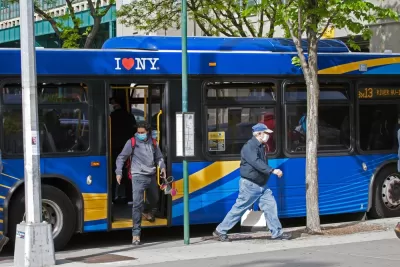
In a piece for The Flint Courier News, Dr. Aisha Harris asserts that transportation is a social determinant of health — “Meaning it directly and indirectly impacts how we access health care, obtain wellness and manage our chronic medical problems.”
Harris separates personal transportation options and transportation infrastructure, which is not in most people’s individual control. “In health, transportation is essential to how people access health care and maintain health, whether it is getting to the doctor, picking up medication from the pharmacy, going to the grocery store to maintain nutritional needs, or walking around their neighborhood to get more exercise.”
According to Harris, million of Americans can’t access medical care due to transportation issues such as long distances, lack of access to a vehicle, cost, or inadequate infrastructure. Thus, transportation and public health are intimately intertwined issues. “There are a lot of options to how a city, urban or rural, can look when it comes to transportation. But the infrastructure we create in our communities must adapt and include the needs of the entire community in order to not create more barriers and challenges, but help address them.”
FULL STORY: Getting there is half the battle: How transportation impacts your health

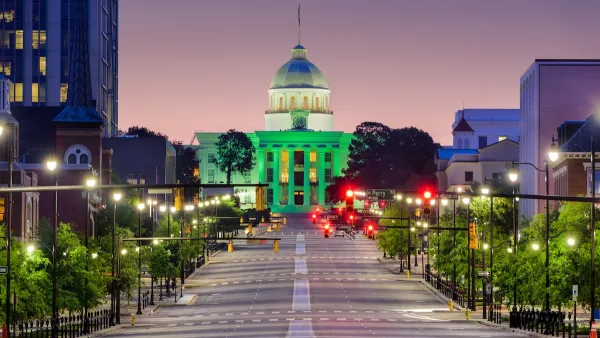
Proposed Alabama Bill Would Fund Public Transit
The senator who introduced the legislation cited concerns about the state’s low levels of workforce participation, noting that a lack of transportation is one of the main reasons Alabama residents can’t participate in the workforce.
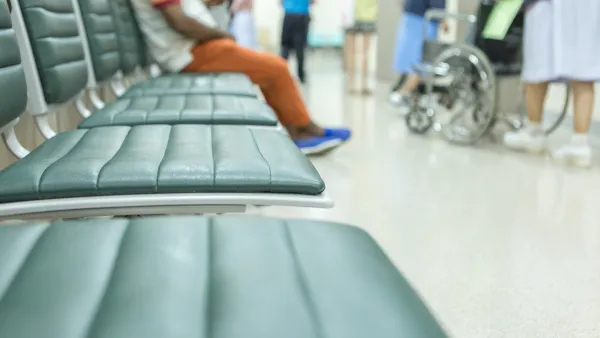
Linking Transportation Access and Public Health
Millions of Americans miss medical care and other important day-to-day appointments due to a lack of access to reliable transportation.
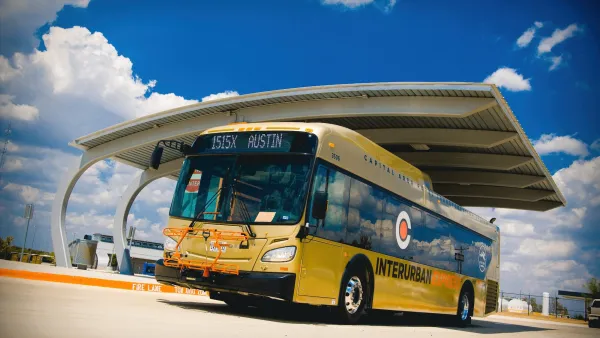
Rural Texas transit program is a 'lifeline' for seniors
A Central Texas program offers free transit to residents over 60.

Planetizen Federal Action Tracker
A weekly monitor of how Trump’s orders and actions are impacting planners and planning in America.

The state-sanctioned urbicide of Austin
People don’t kill cities. Freeways do.

US to reduce Colorado River water deliveries to Mexico
A new Colorado Treaty amendment reduces Mexico’s Colorado River water allocation by 250,000 acre feet.

Airbnb launches $250 million 'last-dollar financing' housing accelerator, makes first investment in Austin
The company will put $6.4 million towards affordable housing development in Texas’ capital.

Guerilla urbanists are building DIY bus stop benches in Chicago
A before-and-after of one of the bus stops with a new bench. The new benches are not officially sanctioned or permitted, but the residents who placed them hope they will be the start of a network of DIY benches across the city.

Mamdani overhauls NYC's Vision Zero plan with 100 new policy goals
The overhaul aims to reduce traffic deaths and make streets safer for pedestrians, cyclists and drivers through lower speed limits, new safety infrastructure and more.

FREE Course: Walkable City 1: Why Walkability?
After describing his path towards focusing on walkability as the essence of good planning, Jeff Speck marches through his five principal reasons for making more walkable places.
Reinventing Malls: Planning Alchemy—Turning Gray Fields Into Gold
The course focuses on the opportunities and imperatives that shape reinvention of mall sites.

Eagle County Government
Harvard University Graduate School of Design
Nashville Planning Department
The Architects Foundation
University of Cincinnati Online
The Pocatello Development Authority
The Urban Renewal Agency of the City of Pocatello
Journal of the American Planning Association