When heat and humidity are high, people are more likely to opt for cars when possible.



New research from MIT finds that, unsurprisingly, high heat and humidity encourage people to choose to drive for trips that they would otherwise make by foot or transit.
As Christian MilNeil explains in Streetsblog Mass, the researchers calculated the influence of the “Universal Thermal Climate Index” (UTCI) incorporates wind speeds and radiant temperatures (“which vary according the amount of shade and heat-absorbing materials, like hot asphalt”) into the traditional heat index measurement, which combines heat and humidity.
This index is more accurate to how people make choices about their travel based on perceived discomfort. As one researcher explained, “What that means is, if I am walking along a street, and there’s a 1 degree increase in perceived temperature, that block is going to feel like a longer walk, 81 meters longer, because it's hotter.”
The results have implications for policymakers and planners who want to encourage people to walk and use transit. Shade, cooling pavement, and other infrastructure interventions can increase the distance that people are willing to walk and make cities safer and more comfortable.
FULL STORY: MIT Research Finds Increasing Heat Makes Cities Measurably Less Walkable

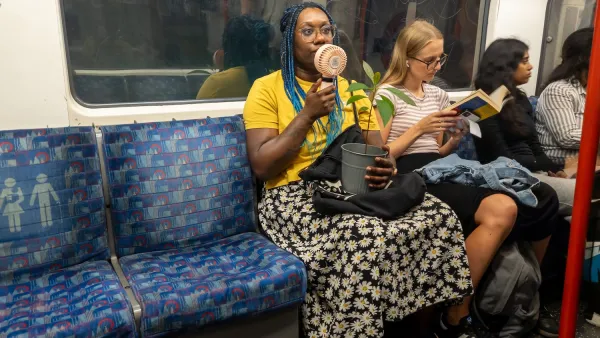
Temperatures in Subways Can Soar Well Above 100. What Some Cities are Doing About it.
Extreme heat can be even more dangerous in confined subway cars and stations.
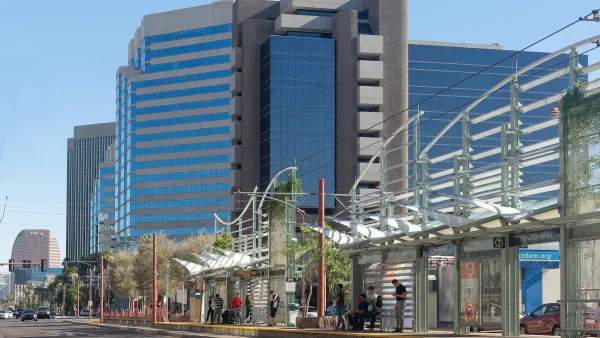
Cool Routes app plots shady walks in arid Arizona
Alternate routes provided by the app reduced the heat experienced during the walk by an average of 4.5 degrees.
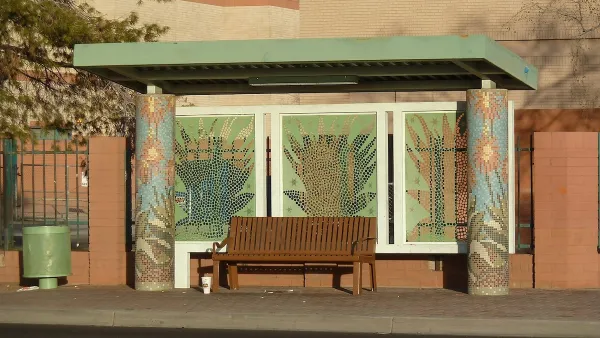
Phoenix Shade Plan Focuses on Bus Stops
The city’s updated Shade Master Plan calls for trees and built structures at bus stops to protect residents from heat.

Planetizen Federal Action Tracker
A weekly monitor of how Trump’s orders and actions are impacting planners and planning in America.

The state-sanctioned urbicide of Austin
People don’t kill cities. Freeways do.

US to reduce Colorado River water deliveries to Mexico
A new Colorado Treaty amendment reduces Mexico’s Colorado River water allocation by 250,000 acre feet.

5 New England states march closer to 800 megawatt wind energy project
Securing federal approval for the project may be complicated under the Trump administration, which has historically been hostile towards domestic wind power.

Baltimore to break ground on $50 million Transit Priority Project
The project will bring faster bus trips, safer streets and better bike connections to Baltimore.

Airbnb launches $250 million 'last-dollar financing' housing accelerator, makes first investment in Austin
The company will put $6.4 million towards affordable housing development in Texas’ capital.

FREE Course: Walkable City 1: Why Walkability?
After describing his path towards focusing on walkability as the essence of good planning, Jeff Speck marches through his five principal reasons for making more walkable places.
Reinventing Malls: Planning Alchemy—Turning Gray Fields Into Gold
The course focuses on the opportunities and imperatives that shape reinvention of mall sites.

Eagle County Government
Harvard University Graduate School of Design
Nashville Planning Department
The Architects Foundation
University of Cincinnati Online
The Pocatello Development Authority
The Urban Renewal Agency of the City of Pocatello
Journal of the American Planning Association