The city’s transit agency made changes to its schedules to make wait times more predictable and streamline services on the most popular routes, but riders are still experiencing headways longer than before the pandemic.


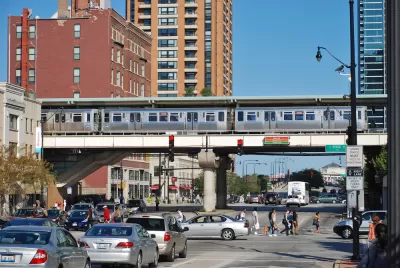
Half a year into the Chicago Transit Authority’s redesigned service plan, rider complaints persist, writes Sarah Freishtat in the Chicago Tribune. “It’s not as convenient and streamlined as it used to be, especially for rush hour,” says one commuter. “The CTA is still running far fewer trains than scheduled on its two busiest lines, and the agency, like other transit systems around the country, continues to face bus and train operator shortages.”
Riders also express concerns about crime. “The Tribune found in December that the rate of violent crime on CTA trains began to drop in 2022 for the first time since the pandemic emptied public transit of many riders, but it was more than twice as high as the years before the pandemic.”
The agency changed listed wait times on its schedule and upgraded its trackers to limit ‘ghost buses’ in an effort to make headways more predictable and reliable. “CTA spokesman Brian Steele said the schedule changes don’t amount to running less service than before they were put in place, and they better match the actual service running.” But an ongoing operator shortage is making it difficult for the CTA to run more trains, and headways on some lines remain much longer than before the pandemic.

Chicago Transit Authority Plans to Banish ‘Ghost Buses’
The CTA is implementing changes to its tracking technology that will more accurately display bus arrival times and track bus reroutes and delays.
Chicago Transit: $770M Shortfall, 40% Service Cuts Loom
Despite dire warnings from transit officials, the Illinois General Assembly ended its legislative session without a solution.
Chicago Transit Increasing Rail Service to Pre-Pandemic Levels
The Chicago Transit Authority is close to returning both rail and bus service to pre-pandemic schedules, with some adjustments for new travel demand.

Planetizen Federal Action Tracker
A weekly monitor of how Trump’s orders and actions are impacting planners and planning in America.

The state-sanctioned urbicide of Austin
People don’t kill cities. Freeways do.

US to reduce Colorado River water deliveries to Mexico
A new Colorado Treaty amendment reduces Mexico’s Colorado River water allocation by 250,000 acre feet.

5 New England states march closer to 800 megawatt wind energy project
Securing federal approval for the project may be complicated under the Trump administration, which has historically been hostile towards domestic wind power.

Baltimore to break ground on $50 million Transit Priority Project
The project will bring faster bus trips, safer streets and better bike connections to Baltimore.

Airbnb launches $250 million 'last-dollar financing' housing accelerator, makes first investment in Austin
The company will put $6.4 million towards affordable housing development in Texas’ capital.

FREE Course: Walkable City 1: Why Walkability?
After describing his path towards focusing on walkability as the essence of good planning, Jeff Speck marches through his five principal reasons for making more walkable places.
Reinventing Malls: Planning Alchemy—Turning Gray Fields Into Gold
The course focuses on the opportunities and imperatives that shape reinvention of mall sites.

Eagle County Government
Harvard University Graduate School of Design
Nashville Planning Department
The Architects Foundation
University of Cincinnati Online
The Pocatello Development Authority
The Urban Renewal Agency of the City of Pocatello
Journal of the American Planning Association