The agency projects modest ridership growth while aiming to make long-term investments in bus and rail improvements.


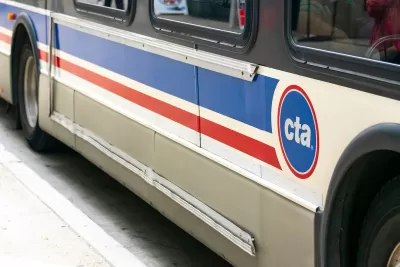
In an article for Streetsblog Chicago, Sharon Hoyer outlines the budget released by the Chicago Transit Authority (CTA) for 2024.
“At $2B, the operating and capital expenses add up to a 9 percent increase over the 2023 budget, due mainly to increases in labor and material costs.” Although rider fares will remain the same, Hoyer notes that “the CTA does not anticipate any big ridership jumps in the year ahead, largely due to a gradual return to in-person office work post-pandemic, with hybrid and remote work now the norm for many former work commuters.”
To fill the impending $577 million budget shortage projected for 2026, the agency plans to make improvements that will boost ridership, “including 14 train station ADA accessibility upgrades, track repair, purchase of new rail cars, bus electrification infrastructure, replacement of outdated fare boxes, and the long-awaited Red Line Extension to 130th street.”
The budget also supports improved bus service and bus rapid transit. “The CTA budget specifically mentions adding some bus priority lanes on key routes and adding transit signal priority to the busy Ashland route.”
FULL STORY: CTA budget focuses on staffing to restore service, and capital improvements

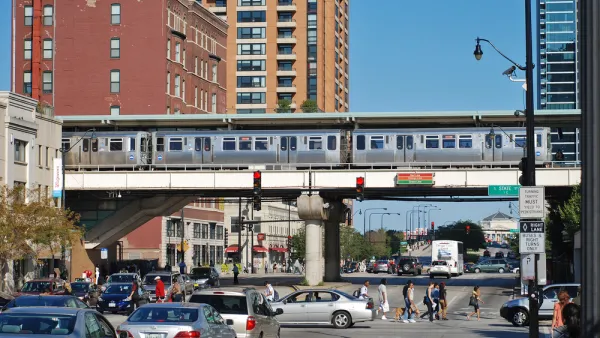
Chicago Transit Increasing Rail Service to Pre-Pandemic Levels
The Chicago Transit Authority is close to returning both rail and bus service to pre-pandemic schedules, with some adjustments for new travel demand.
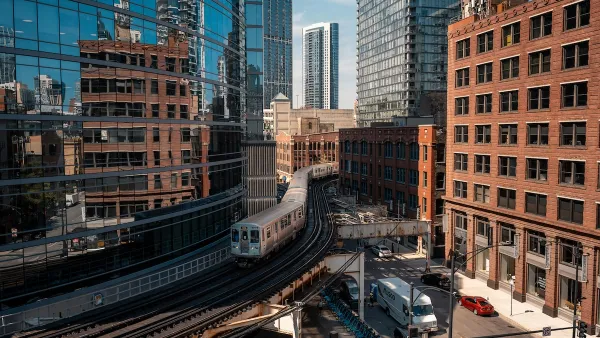
Chicago Transit: $770M Shortfall, 40% Service Cuts Loom
Despite dire warnings from transit officials, the Illinois General Assembly ended its legislative session without a solution.
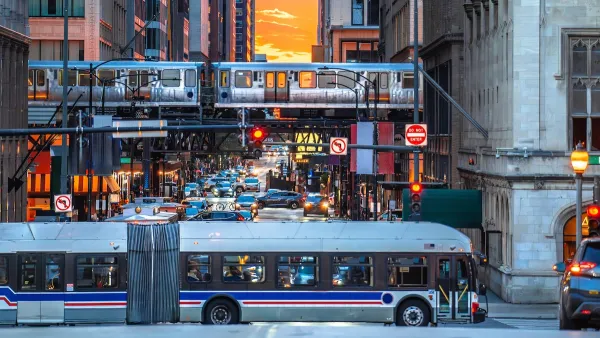
Chicago Transit Agencies on Brink of Major Crisis
Without additional funding, regional transit agencies will be forced to cut services by 40 percent.

Planetizen Federal Action Tracker
A weekly monitor of how Trump’s orders and actions are impacting planners and planning in America.

The state-sanctioned urbicide of Austin
People don’t kill cities. Freeways do.

US to reduce Colorado River water deliveries to Mexico
A new Colorado Treaty amendment reduces Mexico’s Colorado River water allocation by 250,000 acre feet.

5 New England states march closer to 800 megawatt wind energy project
Securing federal approval for the project may be complicated under the Trump administration, which has historically been hostile towards domestic wind power.

Baltimore to break ground on $50 million Transit Priority Project
The project will bring faster bus trips, safer streets and better bike connections to Baltimore.

Airbnb launches $250 million 'last-dollar financing' housing accelerator, makes first investment in Austin
The company will put $6.4 million towards affordable housing development in Texas’ capital.

FREE Course: Walkable City 1: Why Walkability?
After describing his path towards focusing on walkability as the essence of good planning, Jeff Speck marches through his five principal reasons for making more walkable places.
Reinventing Malls: Planning Alchemy—Turning Gray Fields Into Gold
The course focuses on the opportunities and imperatives that shape reinvention of mall sites.

Eagle County Government
Harvard University Graduate School of Design
Nashville Planning Department
The Architects Foundation
University of Cincinnati Online
The Pocatello Development Authority
The Urban Renewal Agency of the City of Pocatello
Journal of the American Planning Association