The new document consolidates the city’s Complete Streets projects with its sustainability plan, providing a flexible framework for comprehensive actions that focus on safety, sustainability, and equity.


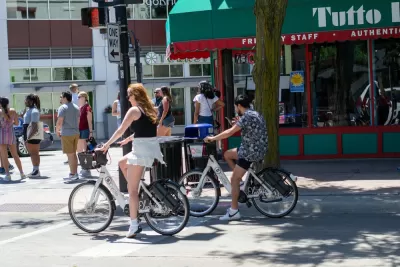
Madison, Wisconsin is adopting a “Complete Green Streets” policy aimed at consolidating the city’s efforts to build safe, accessible, and pleasant streets for all with its sustainability goals. Writing in Smart Cities Dive, Maria Rachal explains that the policy is designed to be a “flexible tool that can evolve” with the city’s needs.
According to the new city-issued guide, “With significant growth and development, rising concerns about safety, and increased awareness of disparities, Madison needed a more detailed approach to designing streets that reflects our community’s values and priorities.”
The new policy combines Complete Streets and focuses on four values: prioritizing the safety and comfort of people; supporting community engagement and emphasizing short neighborhood trips; fostering more sustainable transportation and land use; and centering equity, which the city defines as “engaging inclusively, providing access to opportunities, prioritizing and supporting the needs of historically underserved people.”
Read the full story: Madison, Wisconsin, approves complete green streets policy


Ten extraordinary women making cities work better for everyone
A new book profiles women leaders shaping the future of modern cities. These are some of their stories.

How the ‘Big Beautiful Bill’ Impacts Transportation
Five ways the bill negatively impacts U.S. transportation policy.
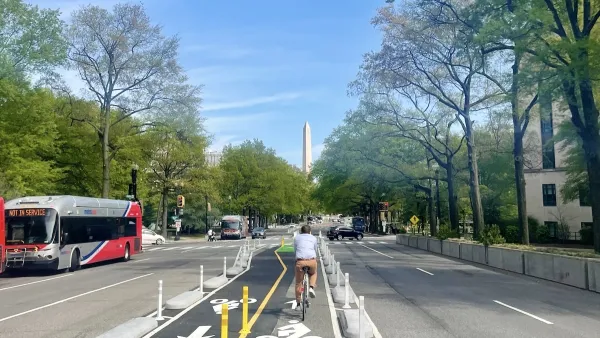
Trump Prompts Restructuring of Transportation Research Board in “Unprecedented Overreach”
The TRB has eliminated more than half of its committees including those focused on climate, equity, and cities.

Planetizen Federal Action Tracker
A weekly monitor of how Trump’s orders and actions are impacting planners and planning in America.

The state-sanctioned urbicide of Austin
People don’t kill cities. Freeways do.

Colorado’s Largest Data Center Could Rise Next to Homes — Without a Public Hearing
The proposed campus would consume 11 times the power of Denver International Airport; as it has across the country, opposition mounts.

Judges permit Denver to divert 77,000 acre feet from the Colorado River for reservoir expansion
Overuse and climate change have caused the Colorado River’s water levels to plummet.

Amtrak, CN end decades-long dispute with eight-year agreement
The new operating agreement establishes an updated framework for the companies to work together, including processes to resolve disputes.
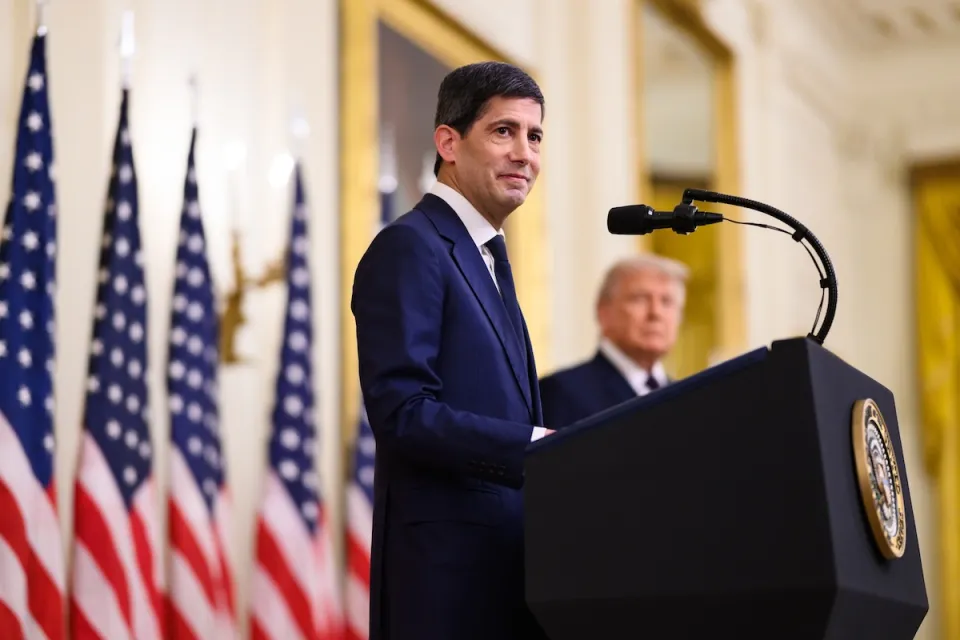
Raised interest rates may kill financially vulnerable construction projects
The chief economist at ConstructConnect warns that if construction project owners are negatively impacted by the raised rates, it could result in delayed payments to contractors.

FREE Course: Walkable City 1: Why Walkability?
After describing his path towards focusing on walkability as the essence of good planning, Jeff Speck marches through his five principal reasons for making more walkable places.
Reinventing Malls: Planning Alchemy—Turning Gray Fields Into Gold
The course focuses on the opportunities and imperatives that shape reinvention of mall sites.

KFH Group Inc.
Greater Baltimore Committee
Eagle County Government
The Architects Foundation
University of Cincinnati Online
The Pocatello Development Authority
The Urban Renewal Agency of the City of Pocatello