Massive chain drug stores have become integral members of the urban fabric, for better or worse, but widespread store closures and security practices have come to symbolize urban decline. The dynamic must be monitored.


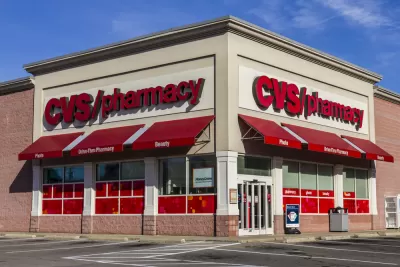
Shopping at big-name pharmacies like CVS, Rite Aid, and Walgreens involves so many products behind plexiglass, “It’s like shopping at a pharmacy 100 years ago, with a white-aproned clerk pushing around a ladder to grab your tinctures and tonics,” writes Henry Grabar for Slate.
The corporate behemoths are the frontline for one of the main talking points in the culture war that seems to focus on cities more than ever before in 2022.
The changes in how these businesses operate are a sign of large, era-defining forces at work, according to Grabar. “It’s a fundamental change for a business that transformed urban life with its breakneck expansion in the first decades of the 21st century. And it comes alongside an industrywide retrenchment, as that exuberant overbuilding spree comes face to face with remote work and e-commerce.”
The evidence of the retrenchment is perhaps less conspicuous that the plexiglass, but these drug stores, including flagship urban locations, are closing all over the country.
The article includes a sober discussion of the shoplifting issue (“You can be skeptical of companies playing the blame game, but retail experts are certain: If shoplifting weren’t chipping into profits, you wouldn’t see plastic cases at all.”) as well as a proposed solution for the challenges: a federal bill supported by the National Association of Chain Drug Stores that would require online marketplaces to verify the identify of third-part sellers.
According to both this article and a February article by Jack Denton for Curbed, however, shoplifting isn’t the cause of store closures. Fundamentals are, and that fact will have significant consequences for the future of cities and communities.
FULL STORY: The Rise and Fall of the Drugstore Chains

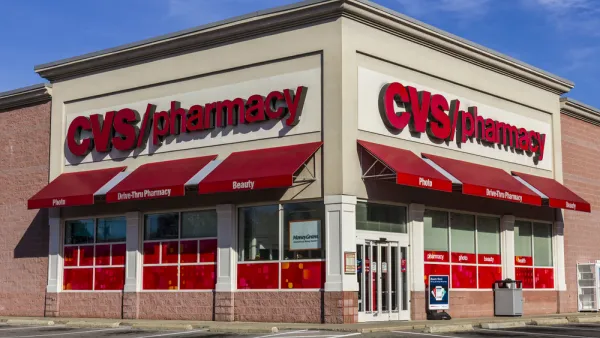
Critic Blasts the Design and Planning Effects of CVS
CVS is about as American as apple pie, but at what cost to American communities?
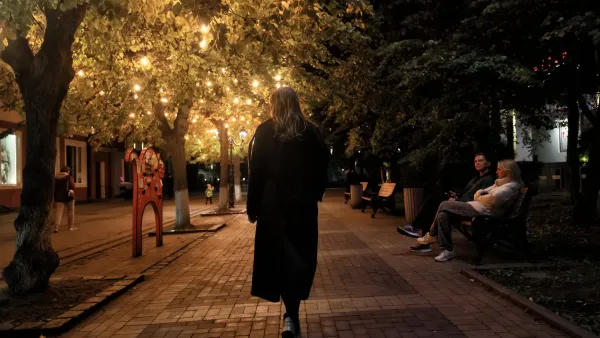
How urban design can deter crime
Well-designed public spaces and good lighting can prevent crime and make residents feel safer.
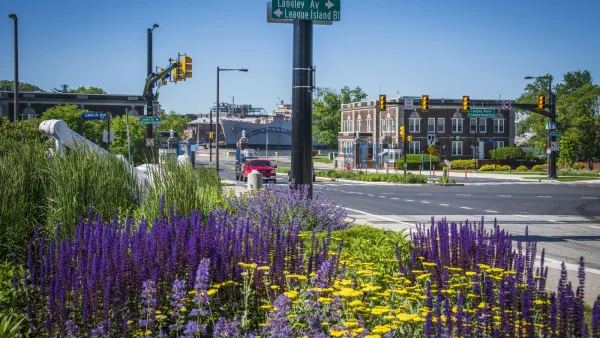
Philadelphia sees 29% drop in gun violence near new green spaces
A city-backed program that cleans up blighted and vacant lots is creating new public spaces and reducing crime in surrounding communities.

Planetizen Federal Action Tracker
A weekly monitor of how Trump’s orders and actions are impacting planners and planning in America.

The state-sanctioned urbicide of Austin
People don’t kill cities. Freeways do.

US to reduce Colorado River water deliveries to Mexico
A new Colorado Treaty amendment reduces Mexico’s Colorado River water allocation by 250,000 acre feet.

5 New England states march closer to 800 megawatt wind energy project
Securing federal approval for the project may be complicated under the Trump administration, which has historically been hostile towards domestic wind power.

Baltimore to break ground on $50 million Transit Priority Project
The project will bring faster bus trips, safer streets and better bike connections to Baltimore.

Airbnb launches $250 million 'last-dollar financing' housing accelerator, makes first investment in Austin
The company will put $6.4 million towards affordable housing development in Texas’ capital.

FREE Course: Walkable City 1: Why Walkability?
After describing his path towards focusing on walkability as the essence of good planning, Jeff Speck marches through his five principal reasons for making more walkable places.
Reinventing Malls: Planning Alchemy—Turning Gray Fields Into Gold
The course focuses on the opportunities and imperatives that shape reinvention of mall sites.

Eagle County Government
Harvard University Graduate School of Design
Nashville Planning Department
The Architects Foundation
University of Cincinnati Online
The Pocatello Development Authority
The Urban Renewal Agency of the City of Pocatello
Journal of the American Planning Association