Applications for active transportation grant funding through a pair of Washington state programs more than doubled, in terms of funding requests, from 2020 to 2022.


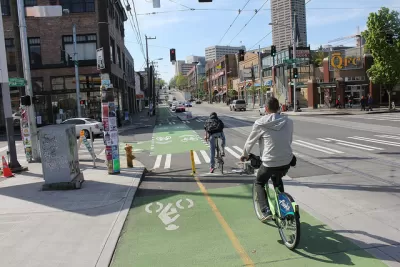
“After years of stagnating interest — and around $50 million available every two years — cities and counties across Washington have flooded the state with requests to build more and more ambitious projects for bicyclists, pedestrians and people traveling to and from schools,” reports David Kroman for the Seattle Times.
“In the 2022 legislative session, lawmakers set aside nearly $1.3 billion over 16 years for “active transportation,” geared toward walkers, bikers and children on their way to school. Of that, $568 million was earmarked for two grants — for routes to school, and bike and pedestrian projects,” explains Kroman.
More than $100 million is up for grabs, according to the article. When applications closed on May 30, the state had received applications for $457 million in funding. The grant applications in the last funding cycle, in 20202, totaled $191 million.
Kroman quotes local sources in the article who says some fo the increase in applications reflects the rising cost of construction, but some of it also might be a result of local governments “asleep at the wheel” on grant funding applications in the past.
The source article below contains numerous examples of the kinds of local projects seeking funding.
FULL STORY: Cities, counties push for new bike and pedestrian money from WA state

Resources for Safe, Convenient Pedestrian and Bike Infrastructure
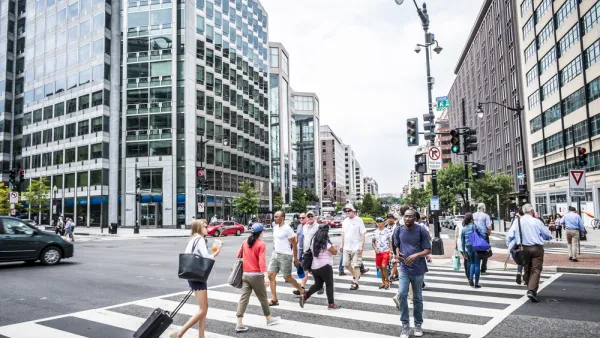
Despite the stated goals of state and federal agencies to encourage active modes of transportation, there's still a long way to go to make sure that all cities and communities have safe, convenient sidewalks and bike lanes.
Will Alaska Return Millions of Dollars for Bike and Pedestrian Projects to the Feds, Again?
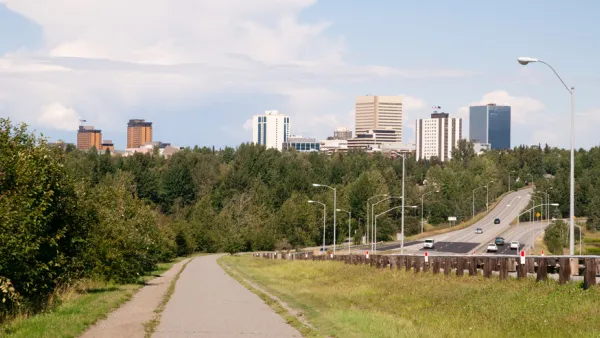
Last year, Alaska returned $2.6 million of its 2013 Transportation Alternatives Program funding to the U.S. Department of Transportation due to a shortage of eligible projects to fund, despite having four years to obligate the grant money.
BikeWalkOKC Plan Updated After Five Years of Progress
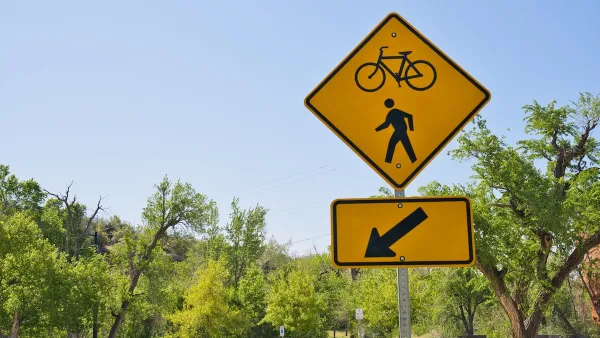
The BikeWalkOKC plan has proceeded faster than expected after its approval in 2018. A 2023 update is expected to pick up where the 2018 plan left off.

Planetizen Federal Action Tracker
A weekly monitor of how Trump’s orders and actions are impacting planners and planning in America.

The state-sanctioned urbicide of Austin
People don’t kill cities. Freeways do.

US to reduce Colorado River water deliveries to Mexico
A new Colorado Treaty amendment reduces Mexico’s Colorado River water allocation by 250,000 acre feet.

5 New England states march closer to 800 megawatt wind energy project
Securing federal approval for the project may be complicated under the Trump administration, which has historically been hostile towards domestic wind power.

Baltimore to break ground on $50 million Transit Priority Project
The project will bring faster bus trips, safer streets and better bike connections to Baltimore.

Airbnb launches $250 million 'last-dollar financing' housing accelerator, makes first investment in Austin
The company will put $6.4 million towards affordable housing development in Texas’ capital.

FREE Course: Walkable City 1: Why Walkability?
After describing his path towards focusing on walkability as the essence of good planning, Jeff Speck marches through his five principal reasons for making more walkable places.
Reinventing Malls: Planning Alchemy—Turning Gray Fields Into Gold
The course focuses on the opportunities and imperatives that shape reinvention of mall sites.

Eagle County Government
Harvard University Graduate School of Design
Nashville Planning Department
The Architects Foundation
University of Cincinnati Online
The Pocatello Development Authority
The Urban Renewal Agency of the City of Pocatello
Journal of the American Planning Association