The transit crisis continues.


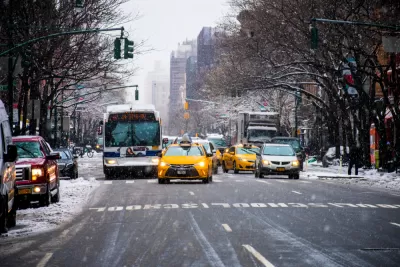
“New York City bus riders are in for more pain as Metropolitan Transportation Authority officials [in August] quietly cut service across the five boroughs,” reports Clayton Guse in a paywalled article for the New York Daily News.
The changes are intended to address the transit agency’s ongoing fiscal crisis, according to the article. MTA officials in July admitted that federal relief funds expected to last the agency through 2025 are running out faster than expected as ridership continues to stay beloe pre-pandemic levels.
Guse’s reporting is sourced from an internal email leaked to the publication, so there is some question about the reasoning behind the service cuts.
“An MTA spokesman denied the email’s assertion that not filling some bus driver shifts is meant to save money and cut service, and instead stated that the agency is trying to make sure it isn’t paying drivers when they are not needed,” writes Guse.
Regardless of the reasoning, a lack of operators is continuing to impact service levels on New York buses, just like in less transit-dependent cities around the country.
“The MTA has for more than two years struggled to put out full bus service due to a shortage of drivers. A hiring freeze put in place during the first year of the pandemic decimated the agency’s headcounts,” explains Guse.
FULL STORY: MTA quietly cuts bus service across NYC as ‘money saving initiative,’ manager says in email

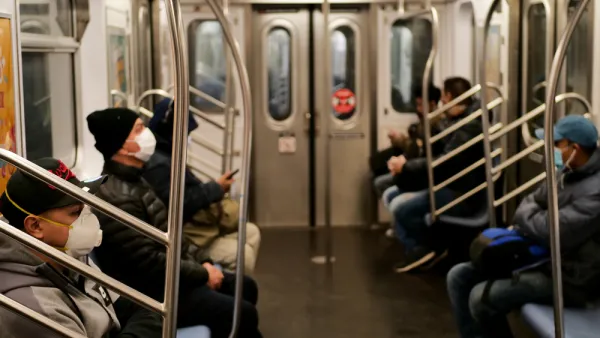
New York Subway Ridership Sets Pandemic Record High
One of the most hopeful days for public transit in New York City in...well, a year.
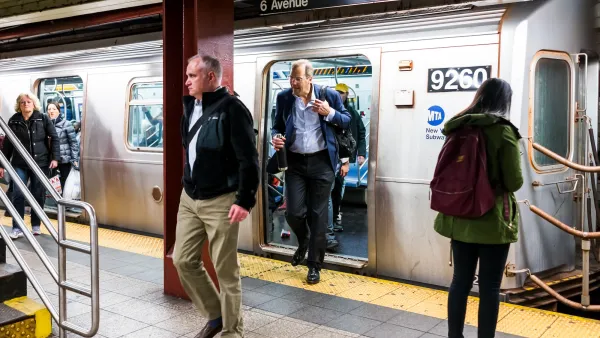
NYC to Upgrade 1/3 of its Subway Car Fleet
The MTA is seeking proposals for up to 2,390 new subway cars to upgrade its aging fleet.
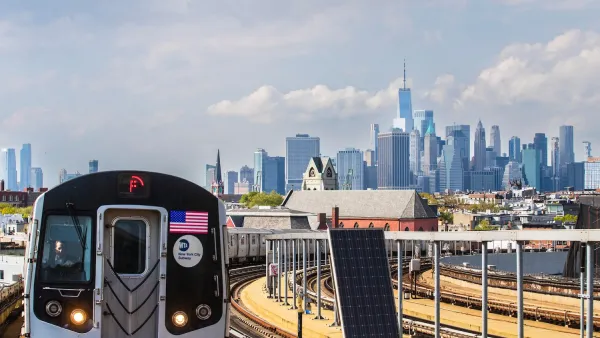
New York MTA Says No More Borrowing, Will Cut Costs Instead
The agency says it won’t take out any new loans to finance its planned improvements and is finding other ways to cut costs.

The state-sanctioned urbicide of Austin
People don’t kill cities. Freeways do.

US to reduce Colorado River water deliveries to Mexico
A new Colorado Treaty amendment reduces Mexico’s Colorado River water allocation by 250,000 acre feet.

New Jersey’s second-largest city bans standalone data centers
Jersey City will continue to allow co-location facilities, such as those meant for research institutions that store their own data.

Amtrak not solely to blame for New Jersey commuter rail's unreliability, report finds
A new study from the Garden State Initiative found that NJ Transit’s budget grew 20% across a 4 year period, but reliability declined significantly over the same period.

EPA erases limits on planet-warming pollution from power plants
Under Monday’s plan, power plants would still have some limits on how much mercury, arsenic and other contaminants they can emit.

Phoenix announces new on-demand transit service, more frequent RAPID buses
Both new services will launch in October, and are part of Phoenix's Project Effective Access Solutions for Easing Congestion.

FREE Course: Walkable City 1: Why Walkability?
After describing his path towards focusing on walkability as the essence of good planning, Jeff Speck marches through his five principal reasons for making more walkable places.
Reinventing Malls: Planning Alchemy—Turning Gray Fields Into Gold
The course focuses on the opportunities and imperatives that shape reinvention of mall sites.

Eagle County Government
Harvard University Graduate School of Design
Nashville Planning Department
The Architects Foundation
University of Cincinnati Online
The Pocatello Development Authority
The Urban Renewal Agency of the City of Pocatello
Journal of the American Planning Association