Despite a nationwide rise in traffic fatalities, almost half of U.S. states have transferred federal road safety dollars to other projects.


According to an article by Daniel C. Vock in Route Fifty, “nearly half of state transportation departments have diverted money from Washington specifically designated to making highways safer,” prompting concerns among some members of Congress. “U.S. Rep. Peter DeFazio, an Oregon Democrat who chairs the House committee on transportation and infrastructure, expressed his frustration over the common practice at a recent hearing. DeFazio said it was ‘very disturbing’ that, in the five years leading up to September 2021, 23 states transferred money out of the federal Highway Safety Improvement Program for other uses.” It should be noted that states are legally allowed to transfer up to half of the funding to other transportation-related uses.
“At a time when traffic fatalities remain at unacceptable levels and have increased substantially in every state over the last two years, we believe that the authorized amounts for HSIP should be the absolute minimum dedicated to safety improvements and transfers out should not be acceptable,” said Peter True, a spokesperson for the Democrats on the committee. Among the 23 states that moved safety funding to other uses are Wisconsin (48 percent), New Jersey (44.4 percent), and Maryland (41.3 percent).
Vock notes that “Several states added money to their program instead. In fact, both South Dakota and California more than doubled their allocation. Other states that diverted more money to the program were North Dakota, Georgia, Arkansas, Alaska, Montana, Washington and Virginia.”
Read the full story: The States Shifting Road Safety Dollars Away From Safety Programs

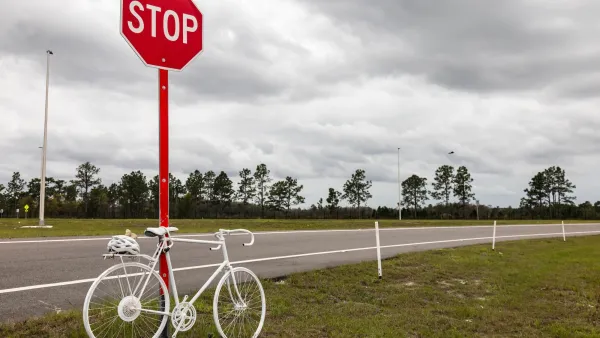
Landscapes of love and loss
As urban planners, every piece of infrastructure we build is a memorial — whether we know it or not.
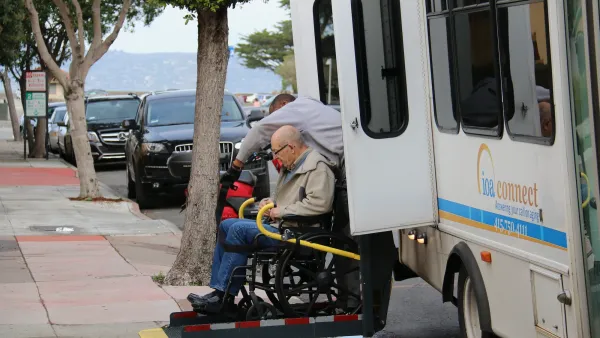
Seniors Account for 32% of Traffic Deaths in the Bay Area
Road safety interventions would help protect seniors and other vulnerable groups from traffic violence.
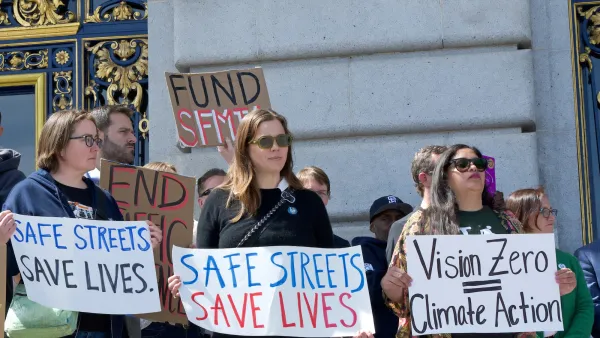
San Francisco Cut Traffic Deaths Almost in Half in 2025
The city credits its Vision Zero strategy and new traffic cameras for reducing the number of deaths and serious injuries on its roads.

Planetizen Federal Action Tracker
A weekly monitor of how Trump’s orders and actions are impacting planners and planning in America.

Colorado’s Largest Data Center Could Rise Next to Homes — Without a Public Hearing
The proposed campus would consume 11 times the power of Denver International Airport; as it has across the country, opposition mounts.

US to reduce Colorado River water deliveries to Mexico
A new Colorado Treaty amendment reduces Mexico’s Colorado River water allocation by 250,000 acre feet.

'This is going to be painful:’ Virginia stares down $1.7 billion funding gap for highway maintenance
The state may address the deficit by shifting $290 million from its construction budget to maintenance projects.

Judges permit Denver to divert 77,000 acre feet from the Colorado River for reservoir expansion
Overuse and climate change have caused the Colorado River’s water levels to plummet.
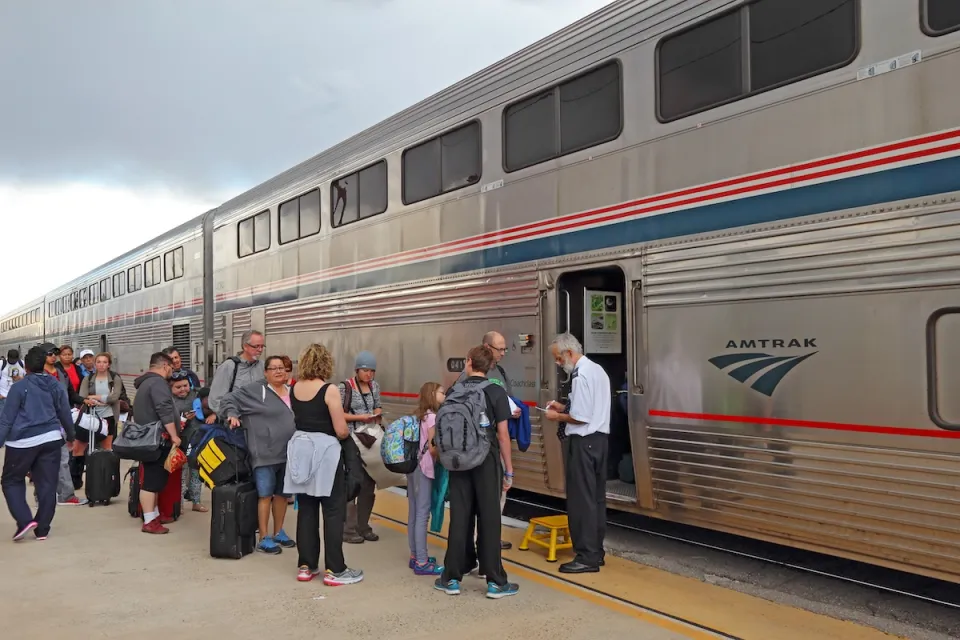
Amtrak, CN end decades-long dispute with eight-year agreement
The new operating agreement establishes an updated framework for the companies to work together, including processes to resolve disputes.

FREE Course: Walkable City 1: Why Walkability?
After describing his path towards focusing on walkability as the essence of good planning, Jeff Speck marches through his five principal reasons for making more walkable places.
Reinventing Malls: Planning Alchemy—Turning Gray Fields Into Gold
The course focuses on the opportunities and imperatives that shape reinvention of mall sites.

KFH Group Inc.
Greater Baltimore Committee
Eagle County Government
The Architects Foundation
University of Cincinnati Online
The Pocatello Development Authority
The Urban Renewal Agency of the City of Pocatello