Philadelphia, a city rife with historic architecture, seeks to incentivize more conversion of historic buildings into housing.


According to an article by Taylor Allen, “The number of old buildings being converted into apartments is on the rise across the country. Converted units have nearly quadrupled since 2010, from 5,271 to 20,122 by the end of 2021.” Focusing on Philadelphia, Allen notes that “Philadelphia converted a total of 1,863 units in 2020 and 2021 combined, the most of any U.S. city over that two-year period, according to a report from Rent Cafe.”
However, in part due to the higher cost of converting old buildings, “The overwhelming majority of redevelopment in the city is still new construction, according to Drexel University economist Kevin Gillen.” The city aims to change that through incentives that encourage developers to repurpose old buildings. “A bill that took effect this year is starting to phase out the city's 10-year property tax abatement for new residential construction. But, there’s a caveat for converted properties, which get to keep the entire 10-year tax incentive.” Additionally, “As of 2019, Rehab projects that are historically designated don't have to provide parking, and some get zoning perks.”
Paul Steinke, executive director of the Preservation Alliance of Greater Philadelphia, expressed hope that affordable housing developers could play a larger role in the conversion of historic buildings. “It'd be great to see more adaptive reuse for affordable housing since there’s quite a bit for market-rate housing,” Steinke said.
FULL STORY: Preserving Philly's charm by converting old buildings into housing units

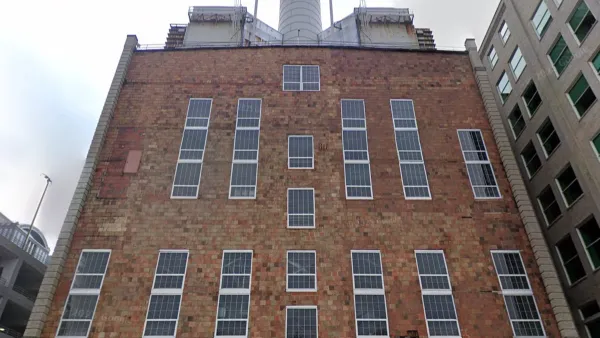
Defunct Pittsburgh Power Plant to Become Residential Tower
A decommissioned steam heat plant will be redeveloped into almost 100 affordable housing units.
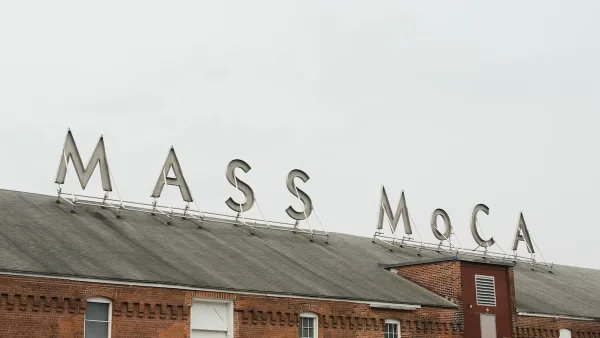
Old Walls, New Homes
From forgotten buildings to thriving neighborhoods, adaptive reuse has the power to transform our cities.
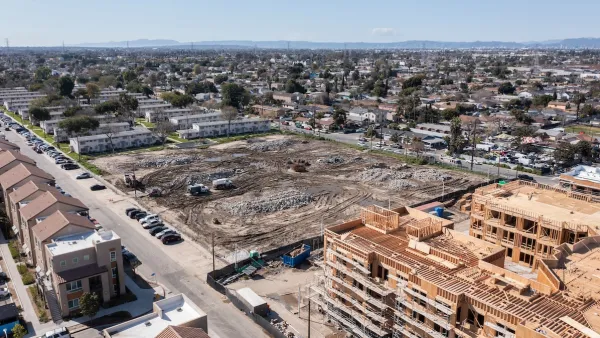
New California Law Supports Adaptive Reuse
AB 2243 paves the way for easier conversion of industrially and commercially zones properties for residential development.

The state-sanctioned urbicide of Austin
People don’t kill cities. Freeways do.

US to reduce Colorado River water deliveries to Mexico
A new Colorado Treaty amendment reduces Mexico’s Colorado River water allocation by 250,000 acre feet.

New Jersey’s second-largest city bans standalone data centers
Jersey City will continue to allow co-location facilities, such as those meant for research institutions that store their own data.

Amtrak not solely to blame for New Jersey commuter rail's unreliability, report finds
A new study from the Garden State Initiative found that NJ Transit’s budget grew 20% across a 4 year period, but reliability declined significantly over the same period.

EPA erases limits on planet-warming pollution from power plants
Under Monday’s plan, power plants would still have some limits on how much mercury, arsenic and other contaminants they can emit.

Phoenix announces new on-demand transit service, more frequent RAPID buses
Both new services will launch in October, and are part of Phoenix's Project Effective Access Solutions for Easing Congestion.

FREE Course: Walkable City 1: Why Walkability?
After describing his path towards focusing on walkability as the essence of good planning, Jeff Speck marches through his five principal reasons for making more walkable places.
Reinventing Malls: Planning Alchemy—Turning Gray Fields Into Gold
The course focuses on the opportunities and imperatives that shape reinvention of mall sites.

Eagle County Government
Harvard University Graduate School of Design
Nashville Planning Department
The Architects Foundation
University of Cincinnati Online
The Pocatello Development Authority
The Urban Renewal Agency of the City of Pocatello
Journal of the American Planning Association