The city council failed to move on a proposal that would have implemented rent stabilization, opting instead to explore other avenues for preventing evictions and improving the cost of housing.


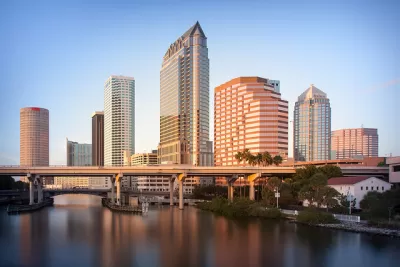
The Tampa City Council decided not to pursue rent control measures despite ardent pleas from local housing advocates, reports Justin Garcia. Councilmembers expressed concern about the legal hurdles involved in instituting rent stabilization.
"Councilman Bill Carlson instead proposed an ordinance that would require landlords to give six months notice before increasing rent, which will be discussed at a council meeting on April 21." The council also plans to hold another workshop and distribute $1 million in rent relief on March 1, but the protesters present at last week's council meeting said this doesn't do enough to mitigate the urgent crisis facing Tampa residents, many struggling to pay rising rents on a fixed income.
According to the article, "In order to pass rent control, city council has to declare a housing state of emergency by proving there is an emergency through a study, then put a ballot measure up for vote from the public on whether or not to approve rent control. If the measure were to pass, under current state laws, the city would have to do this every year."
FULL STORY: Despite over 100 people pleading for help at city hall, Tampa City Council shoots down rent control

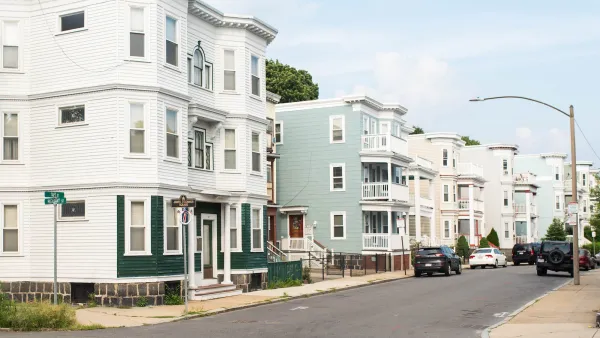
32 years after it was banned, could Massachusetts get rent control back?
In Massachusetts, the collection of more than 124,000 signatures makes it likely that a statewide rent control measure will be on the ballot in November.
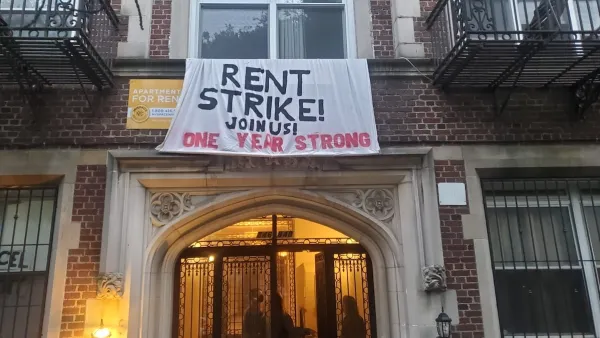
What Zohran Mamdani’s Primary Win Means for the Tenant Movement
The mayoral candidate made a rent freeze central to his campaign. Here's how his supporters used in-person campaigning to clinch a victory, and what's ahead.

Washington State May Cap Rent Increases at 7 Percent
House Bill 1217 was passed by the House and will move next to the state Senate.

Planetizen Federal Action Tracker
A weekly monitor of how Trump’s orders and actions are impacting planners and planning in America.

The state-sanctioned urbicide of Austin
People don’t kill cities. Freeways do.

US to reduce Colorado River water deliveries to Mexico
A new Colorado Treaty amendment reduces Mexico’s Colorado River water allocation by 250,000 acre feet.

5 New England states march closer to 800 megawatt wind energy project
Securing federal approval for the project may be complicated under the Trump administration, which has historically been hostile towards domestic wind power.

Baltimore to break ground on $50 million Transit Priority Project
The project will bring faster bus trips, safer streets and better bike connections to Baltimore.

Airbnb launches $250 million 'last-dollar financing' housing accelerator, makes first investment in Austin
The company will put $6.4 million towards affordable housing development in Texas’ capital.

FREE Course: Walkable City 1: Why Walkability?
After describing his path towards focusing on walkability as the essence of good planning, Jeff Speck marches through his five principal reasons for making more walkable places.
Reinventing Malls: Planning Alchemy—Turning Gray Fields Into Gold
The course focuses on the opportunities and imperatives that shape reinvention of mall sites.


Eagle County Government
Harvard University Graduate School of Design
Nashville Planning Department
The Architects Foundation
University of Cincinnati Online
The Pocatello Development Authority
The Urban Renewal Agency of the City of Pocatello
Journal of the American Planning Association