House Bill 1217 was passed by the House and will move next to the state Senate.



This week the Washington state House passed a bill that would prevent landlords from increasing a residential tenant’s rent and fees by more than 7 percent per year.
The bill cleared the house with a 53-42 vote, with five Democrats and 37 Republicans voting in opposition. If it is cleared by the senate, it would also instate a mandatory 90 days’ notice period for any rent increase as well as a rule preventing landlords from charging more than 5 percent difference in rent from similar leased units.
“Supporters argue that stabilizing rents will provide people with predictability in their expenses to help them stay in their housing and avoid homelessness,” wrote Jerry Cornfield, reporting on House Bill 1217 for the Washington State Standard. Cornfield quoted Rep. Strom Peterson, D-Edmonds, chair of the House Housing Committee, saying that some Washington renters are currently facing 20-50 percent increases.
“Opponents say the bill will hurt small landlords and owners of older buildings who will not be able to keep up with inflationary costs for maintenance and other expenses if rents are limited. It also will deter construction of new apartments and multi-family complexes, critics argue,” Cornfield reported.
FULL STORY: Rent increase cap approved by Washington House

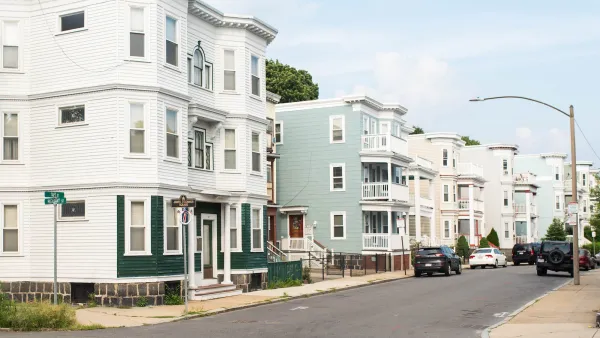
32 years after it was banned, could Massachusetts get rent control back?
In Massachusetts, the collection of more than 124,000 signatures makes it likely that a statewide rent control measure will be on the ballot in November.
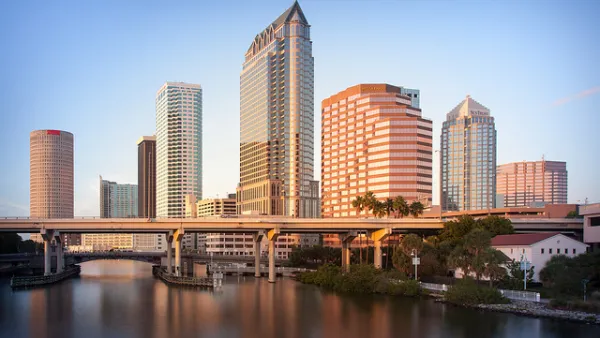
Tampa Rejects Rent Control, Citing Legal Concerns
The city council failed to move on a proposal that would have implemented rent stabilization, opting instead to explore other avenues for preventing evictions and improving the cost of housing.

Landlords Fined for First Time Under WA’s New Law Capping Rent Increases
For the first time, Washington’s attorney general has enforced the state’s new cap on rent hikes, fining eight landlords $2,000 each for violating the law.

The state-sanctioned urbicide of Austin
People don’t kill cities. Freeways do.

US to reduce Colorado River water deliveries to Mexico
A new Colorado Treaty amendment reduces Mexico’s Colorado River water allocation by 250,000 acre feet.

New Jersey’s second-largest city bans standalone data centers
Jersey City will continue to allow co-location facilities, such as those meant for research institutions that store their own data.

Amtrak not solely to blame for New Jersey commuter rail's unreliability, report finds
A new study from the Garden State Initiative found that NJ Transit’s budget grew 20% across a 4 year period, but reliability declined significantly over the same period.

EPA erases limits on planet-warming pollution from power plants
Under Monday’s plan, power plants would still have some limits on how much mercury, arsenic and other contaminants they can emit.

Phoenix announces new on-demand transit service, more frequent RAPID buses
Both new services will launch in October, and are part of Phoenix's Project Effective Access Solutions for Easing Congestion.

FREE Course: Walkable City 1: Why Walkability?
After describing his path towards focusing on walkability as the essence of good planning, Jeff Speck marches through his five principal reasons for making more walkable places.
Reinventing Malls: Planning Alchemy—Turning Gray Fields Into Gold
The course focuses on the opportunities and imperatives that shape reinvention of mall sites.

Eagle County Government
Harvard University Graduate School of Design
Nashville Planning Department
The Architects Foundation
University of Cincinnati Online
The Pocatello Development Authority
The Urban Renewal Agency of the City of Pocatello
Journal of the American Planning Association