An additional $1 billion in federal funding will bolster current efforts to clean polluted water sources and restore ecosystems in the Great Lakes region.


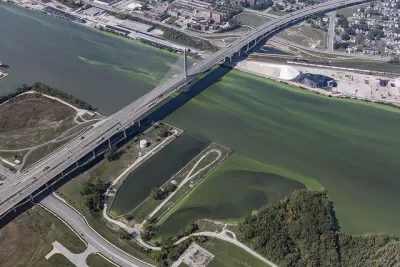
An infusion of cash from the federal government will boost efforts to restore the Great Lakes. As John Flesher and Zeke Miller report, the funding will supplement the Great Lakes Restoration Initiative, an Obama-era program that funds cleanup and restoration activities in the region. "It’s been one of the few matters on which the region’s congressional Democrats and Republicans routinely agree. They thwarted President Donald Trump’s early efforts to gut the program, which GOP lawmakers from Michigan eventually persuaded him to support."
As the nation's largest source of fresh water, the Great Lakes fueled rapid economic growth in the region, where they provide water to 40 million people. But decades of industrial uses and runoff have created toxic conditions. According to the article, "The $1 billion for the Great Lakes from the bipartisan measure enacted in November, combined with annual funding through an ongoing recovery program, will enable agencies by 2030 to finish work on 22 sites designated a quarter-century ago as among the region’s most degraded, officials said Thursday."
"The more than 6,000 projects funded under the restoration initiative also deal with some of the lakes’ other biggest problems," the article goes on to explain. "They include invasive species such as quagga mussels that unravel food chains; toxic algae blooms caused by agricultural runoff and sewage overflows; and loss of wetlands and other wildlife habitat."
FULL STORY: Biden: Infrastructure plan gives $1 billion for Great Lakes cleanup

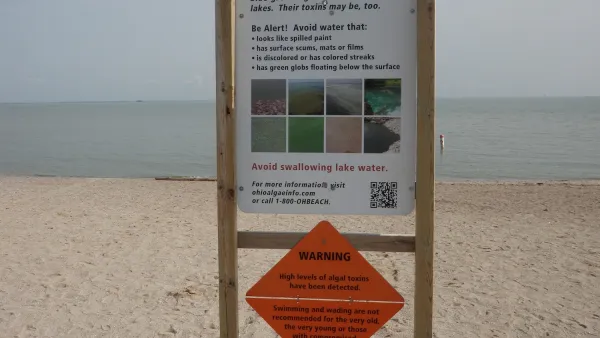
NOAA Great Lakes Lab Loses Key Funding
Cuts at a lab that monitors water quality in the Great Lakes region could harm efforts to prevent dangerous algal blooms.
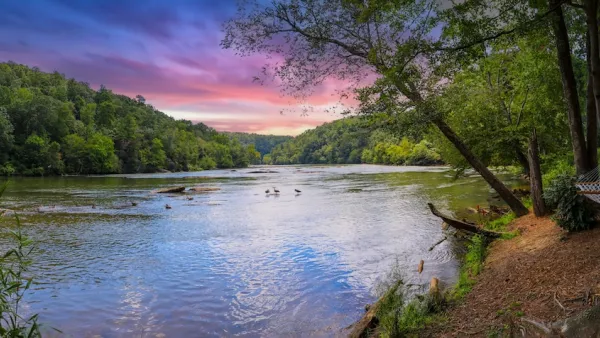
Comment: EPA Cuts will Send Atlanta Back to Eye-burning Ozone, Lung-damaging Smog, and Raw Sewage in the Chattahoochee River
A veteran political journalist takes stock of the hard-earned ground Georgia stands to lose with slashed environmental protection.
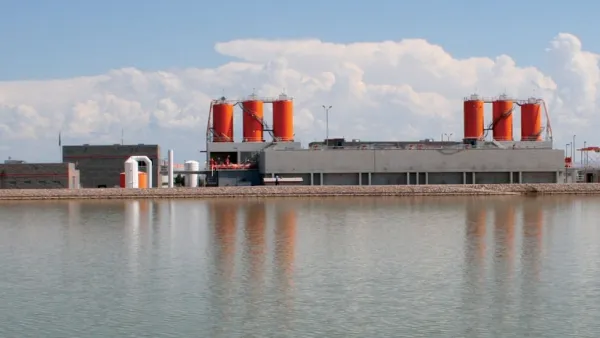
El Paso Wastewater Purification Facility Breaks Ground
As water supplies become strained and technology advances, cities look to wastewater as a viable source of drinking water.

The state-sanctioned urbicide of Austin
People don’t kill cities. Freeways do.

US to reduce Colorado River water deliveries to Mexico
A new Colorado Treaty amendment reduces Mexico’s Colorado River water allocation by 250,000 acre feet.

New Jersey’s second-largest city bans standalone data centers
Jersey City will continue to allow co-location facilities, such as those meant for research institutions that store their own data.

Amtrak not solely to blame for New Jersey commuter rail's unreliability, report finds
A new study from the Garden State Initiative found that NJ Transit’s budget grew 20% across a 4 year period, but reliability declined significantly over the same period.

EPA erases limits on planet-warming pollution from power plants
Under Monday’s plan, power plants would still have some limits on how much mercury, arsenic and other contaminants they can emit.

Phoenix announces new on-demand transit service, more frequent RAPID buses
Both new services will launch in October, and are part of Phoenix's Project Effective Access Solutions for Easing Congestion.

FREE Course: Walkable City 1: Why Walkability?
After describing his path towards focusing on walkability as the essence of good planning, Jeff Speck marches through his five principal reasons for making more walkable places.
Reinventing Malls: Planning Alchemy—Turning Gray Fields Into Gold
The course focuses on the opportunities and imperatives that shape reinvention of mall sites.

Eagle County Government
Harvard University Graduate School of Design
Nashville Planning Department
The Architects Foundation
University of Cincinnati Online
The Pocatello Development Authority
The Urban Renewal Agency of the City of Pocatello
Journal of the American Planning Association