The singular focus on EVs is making U.S. cities miss out on the opportunity to promote e-bikes as a more efficient and sustainable transportation mode.


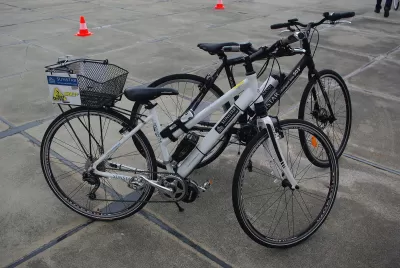
Despite prominent calls to electrify cars and buses, U.S. policymakers have largely failed to encourage an even more sustainable, affordable, and effective electric transport mode: e-bikes. Lloyd Alter writes that, according to a survey from the United States Conference of Mayors, "55% [of mayors surveyed] believed 'all-electric vehicles' were the most promising technology from a list of 20 options presented to them," yet the survey results made no mention of electric bikes.
Meanwhile, cities are planning for new EV infrastructure such as charging stations, which critics argue will not mitigate traffic and congestion problems in crowded urban areas or provide better options for rural and suburban dwellers with less access to public transit. And while electric vehicles are expensive to own and maintain, even a small subsidy for electric bikes could put them within reach of most Americans. E-bikes also create less 'embodied carbon,' the greenhouse gases emitted during manufacturing, and put less stress on local power grids.\
According to Alter, "the almost single-minded focus on e-cars seems so misguided when a faster and fairer approach would be to try to reduce the number of cars and make space for the safe and secure use of bikes and e-bikes."
Read the full story: Politicians and Planners Are Missing the E-Bike Revolution

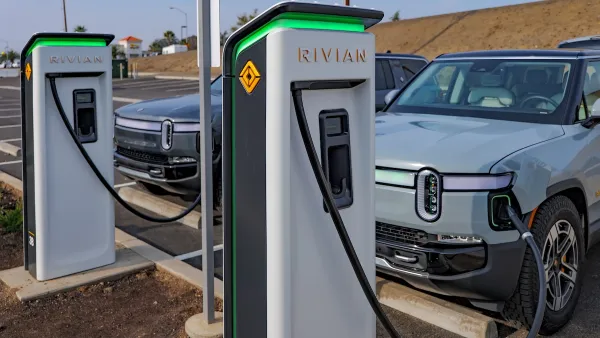
US Senate Reverses California EV Mandate
The state planned to phase out the sale of gas-powered cars by 2035, a goal some carmakers deemed impossible to meet.
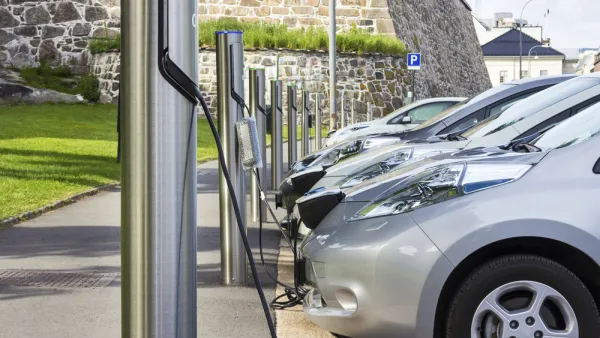
Study: EV Adoption Isn't Enough. Car-Centric Culture Needs To Change.
The focus on electrifying personal vehicles misses the opportunity to transform urban transportation systems, reduce congestion, and make cities more affordable.
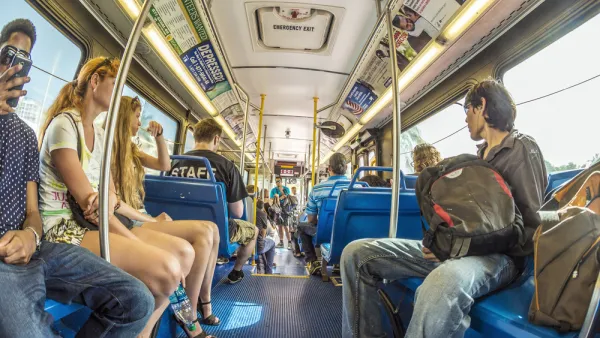
To Fight Climate Change, Support Public Transit
Electric cars may garner a lot of attention these days, but significantly reducing carbon emissions and urban congestion means investing in high-quality mass transit.

Planetizen Federal Action Tracker
A weekly monitor of how Trump’s orders and actions are impacting planners and planning in America.

California plans to bury El Niño’s downpour
If the state plays its cards right, it may be able to store a billion acre-feet of El Niño’s water in aquifers.

Chicago breaks ground on $3 billion megadevelopment
The new neighborhood, titled Foundry Park, will one day host 3,700 residences.

Satanic place names
From streams and lakes to valleys and canyons, I mapped more than 1,000 places named after the Devil.

California High-Speed Rail Authority CEO resigns after $600,000 scandal
Under Ian Choudri, the authority used taxpayer dollars to fund first class flights and trips to nightclubs.

Want to study the Missouri River? Soon, you may need unanimous approval from 10 states
Legislation would require 10 governors’ permission to study or build projects moving water outside the basin.

FREE Course: Walkable City 1: Why Walkability?
After describing his path towards focusing on walkability as the essence of good planning, Jeff Speck marches through his five principal reasons for making more walkable places.
Reinventing Malls: Planning Alchemy—Turning Gray Fields Into Gold
The course focuses on the opportunities and imperatives that shape reinvention of mall sites.


City of Rosemead
Rutgers University, Edward J. Bloustein School of Planning and Public Policy
One Hundred Miles
Hunter College, City University of New York (CUNY)
The Architects Foundation
University of Cincinnati Online
City of Cambridge
Montrose County
The Pocatello Development Authority