The 21st Century Dams Act, a proposal to remove four dams on the lower Snake River, and the Infrastructure Investment and Jobs Act all have a chance to redefine the country's approach to dams and watersheds.


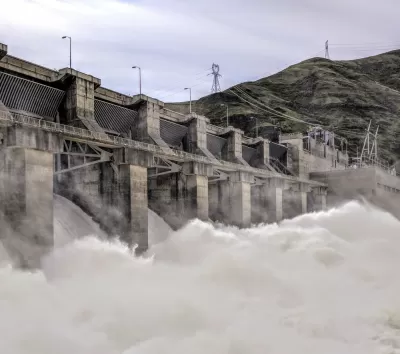
Brian Graber, senior director of river restoration at the river conservation advocacy group American Rivers, writes an article providing an update on the status of dam removal efforts around the country.
Central to the article is the 21st Century Dams Act, introduced in July in the House of Representatives by Rep. Annie Kuster (D-N.H.) and in the Senate by senators Dianne Feinstein (D-Calif.) and several other Democrats. The bill would spend almost $26 billion to repair dams for improved energy production and safety.
According to a statement by Dianne Feinstein at the time of the 21st Century Dams Act's introduction, the bill would
- Improve public safety: Invests in state dam safety capabilities, expands grant funding for the rehabilitation of existing dams and makes available low-interest loans to rehabilitate non-federal dams.
- Enhance clean energy production and grid resilience: Invests in existing federal dams to improve their safety and renewable energy generating capacity.
- Restore river ecosystems: Authorizes an interagency and stakeholder advisory committee to help administer a public source of climate resilience and conservation funding to reconnect 10,000 miles of rivers through the removal of 1,000 dams with owner consent.
In addition to announcing the support of American Rivers for the 21st Century Dams Act, Graber also supports a proposal to remove four federal dams on the lower Snake River.
"Both efforts are necessary and timely, as Congress and the Biden Administration consider national infrastructure investments," writes Graber. "Dams have devastated river health nationwide, impacting rivers, fish and wildlife populations, and cultural resources. As dams age and flood magnitudes increase with climate change, many dams become public safety hazards. Dams are infrastructure and should be part of any federal infrastructure legislation."
With regard to the mention of federal infrastructure legislation, a separate article by Matt Young for American Rivers voices support for the Infrastructure Investment and Jobs Act approved by the Senate earlier in August, and now moving forward in the House of Representatives as part of a $3.5 trillion budget package.
"The Infrastructure Investment and Jobs Act would invest $55 billion in water infrastructure, $12 billion for flood management and over $4.5 billion for watershed restoration," writes Young. Included in that list is $1.6 billion for dam removal and dam safety.
FULL STORY: Prioritizing dam removal and river restoration: an update on federal legislation

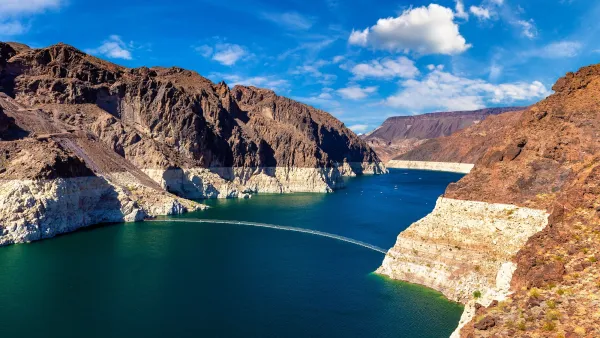
Deadline Nears for Colorado River Water Sharing Agreement
Water officials from the seven Colorado River Basin states are still at odds over how to manage dwindling water resources as current regulations are set to expire in February.
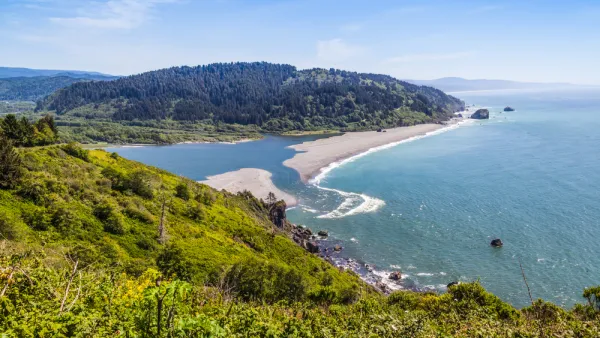
Dams on the Way Out on Two California Rivers
The largest dam removal project in U.S. history is about to commence on the Klamath River. Due to a recent development, a dam on the Eel River is also on expected for decommission.
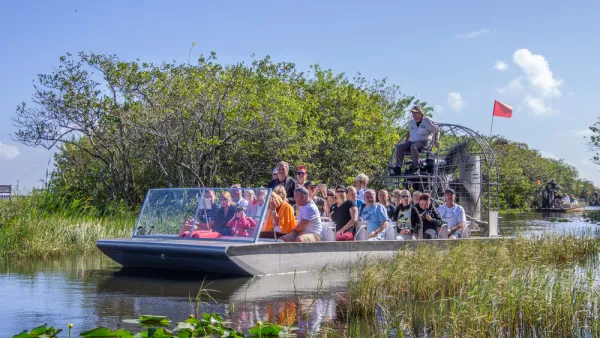
Everglades Restoration To Receive $1.1 Billion in Federal Funds
An 'unprecedented' investment of more than one billion dollars will go toward efforts to restore and conserve the fragile and troubled South Florida ecosystem.

Planetizen Federal Action Tracker
A weekly monitor of how Trump’s orders and actions are impacting planners and planning in America.

The state-sanctioned urbicide of Austin
People don’t kill cities. Freeways do.

US to reduce Colorado River water deliveries to Mexico
A new Colorado Treaty amendment reduces Mexico’s Colorado River water allocation by 250,000 acre feet.

5 New England states march closer to 800 megawatt wind energy project
Securing federal approval for the project may be complicated under the Trump administration, which has historically been hostile towards domestic wind power.

Baltimore to break ground on $50 million Transit Priority Project
The project will bring faster bus trips, safer streets and better bike connections to Baltimore.

Airbnb launches $250 million 'last-dollar financing' housing accelerator, makes first investment in Austin
The company will put $6.4 million towards affordable housing development in Texas’ capital.

FREE Course: Walkable City 1: Why Walkability?
After describing his path towards focusing on walkability as the essence of good planning, Jeff Speck marches through his five principal reasons for making more walkable places.
Reinventing Malls: Planning Alchemy—Turning Gray Fields Into Gold
The course focuses on the opportunities and imperatives that shape reinvention of mall sites.

Eagle County Government
Harvard University Graduate School of Design
Nashville Planning Department
The Architects Foundation
University of Cincinnati Online
The Pocatello Development Authority
The Urban Renewal Agency of the City of Pocatello
Journal of the American Planning Association