As climate change and population growth strain fresh water resources, tactics from around the world provide universal lessons for building water-smart cities.



"A recent United Nations report on drought says climate change is increasing the frequency, severity and duration of droughts, which contribute to food insecurity, poverty and inequality," writes Chris Malloy. Additionally, the report points out, "drought has been the single longest-term physical trigger of political change in 5,000 years of recorded human history."
This, says Malloy, "calls for urgent action and a transformation in governance to manage modern drought risk more effectively." And although "[e]very place is different when it comes to preparing for these challenges … some tactics are universally applicable enough that they can be united into a blueprint for the water-smart cities of tomorrow." These tactics include recycling water, measuring usage–"if you cannot measure it, you cannot manage it"–and getting creative with techniques for collecting, storing, and conserving water, such as desalination, reclaimed wastewater, and futuristic options like Peru's fog-catching machines.
"There are also a host of potential policy changes, including requiring buildings to reuse water, encouraging greywater systems, and pursuing innovative financing, like the Green Stormwater Infrastructure Fee that Tucson charges residents," which "funds rainwater capture systems and the development of green spaces." But while "[c]ities can employ a range of solutions to tackle water scarcity … climate change remains the root cause of many looming water issues." To tackle it, "cities will need to become far more water efficient and invest in related education."
FULL STORY: How to Build a Water-Smart City

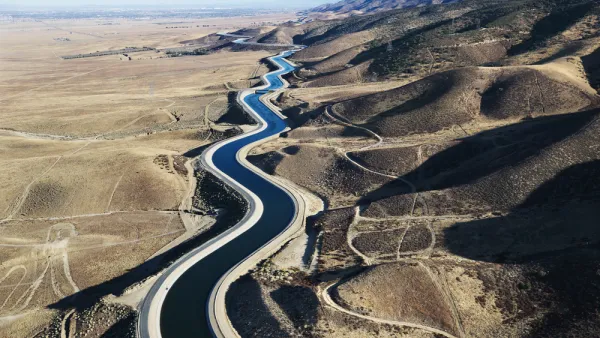
California Governor Outlines Plan for a ‘Hotter, Drier Future’
With California’s water supply expected to drop by 10 percent in the next two decades, Governor Newsom’s strategy calls for conservation and increased investment in water collection, storage, and desalination infrastructure.
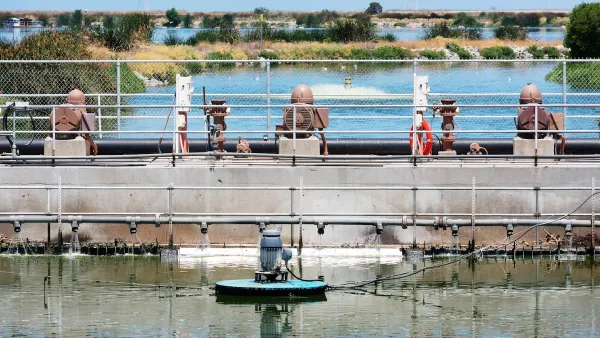
California Approves Wastewater Recycling Rules
The complex set of regulations will ensure recycled water makes it to taps safely.

Ramping Up Recycled Wastewater
States like Colorado and water suppliers in parts of Southern California are expanding the use of recycled wastewater to protect dwindling drinking water supplies.

Planetizen Federal Action Tracker
A weekly monitor of how Trump’s orders and actions are impacting planners and planning in America.

The state-sanctioned urbicide of Austin
People don’t kill cities. Freeways do.

US to reduce Colorado River water deliveries to Mexico
A new Colorado Treaty amendment reduces Mexico’s Colorado River water allocation by 250,000 acre feet.

5 New England states march closer to 800 megawatt wind energy project
Securing federal approval for the project may be complicated under the Trump administration, which has historically been hostile towards domestic wind power.

Baltimore to break ground on $50 million Transit Priority Project
The project will bring faster bus trips, safer streets and better bike connections to Baltimore.

Airbnb launches $250 million 'last-dollar financing' housing accelerator, makes first investment in Austin
The company will put $6.4 million towards affordable housing development in Texas’ capital.

FREE Course: Walkable City 1: Why Walkability?
After describing his path towards focusing on walkability as the essence of good planning, Jeff Speck marches through his five principal reasons for making more walkable places.
Reinventing Malls: Planning Alchemy—Turning Gray Fields Into Gold
The course focuses on the opportunities and imperatives that shape reinvention of mall sites.

Eagle County Government
Harvard University Graduate School of Design
Nashville Planning Department
The Architects Foundation
University of Cincinnati Online
The Pocatello Development Authority
The Urban Renewal Agency of the City of Pocatello
Journal of the American Planning Association