Tires wear down and shed toxic microplastics into stormwater, which eventually ends up in rivers and the ocean. Recent research sheds new light on the extent of the damage.


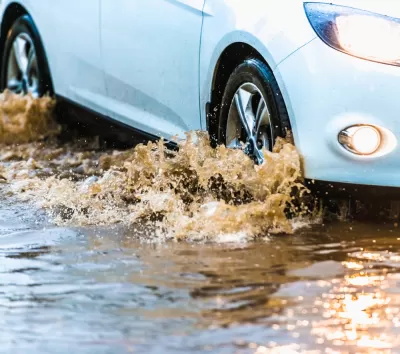
Laura Trethewey shares details of ongoing research into the pollution created by the tires of cars—toxic waste that ends up in rivers and oceans and must be considered alongside particulate pollution and climate change emissions from the tailpipes of cars.
Trethewey is detailing research by a team at the San Francisco Estuary Institute (SFEI), recently testing water at 12 stormwater outlets around the Bay Area for three years, finding an estimated 7.2 trillion synthetic particles washing into San Francisco Bay each year.
In California, where most commuters cling to their cars, conversations about the environmental impact of automobiles usually involve what spews from tailpipes. Electric vehicles are sold as the solution for car emissions. But SFEI’s work has expanded the debate about the environmental impacts of cars to include tires shedding particles near the sea.
It's hard to change the nature of tires. They shed by design and engineering, according to the article, and recent changes in the science of tires has created a difficult-to-recycle product that also has consequences for landfills.
Other researchers around the world are studying the impact of tires on water quality, but an idea of the global scope of the problem is still being developed, but researchers have found a lot of bad news already, according to Trethewey.
In 2017, the International Union for Conservation of Nature estimated that 28.3 percent of microplastics in the ocean come from tires, landing them in the top seven contributors. But the real number is likely higher. A study published in July suggests that vast quantities of tire fragments find their way into the ocean not just via rivers and waterways, but also through the air. Swept on the wind, they drift far from where they are shed. The study warned that so many tire particles are landing in the Arctic that they pose a climate change risk. By turning the snowy tundra a less reflective white, the polluted Arctic ice may absorb more light and melt even faster.
The fresh news about the environmental impacts of tires led to quite a bit of discussion on social media in recent days, as anti-car advocates used the news to throw a bit of cold water on the idea of electric cars as a panacea for the negative externalities of automobiles. Others pushed back, saying electric cars are an essential step in the right direction in the fight to prevent the worst effects of climate change.
Read the full story: When Rubber Hits the Road—and Washes Away

Rain gardens keep up to 99% of pollutants out of San Francisco Bay
The city's roadside rain gardens soak up stormwater and filter out dozens of harmful micropollutants.

Seattle Builds Subway-Sized Tunnel — for Stormwater
The $700 million ‘stormwater subway’ is designed to handle overflows during storms, which contain toxic runoff from roadways and vehicles.
Tesla Is California’s Second-Biggest Air Polluter
A Wall Street Journal investigation found multiple and repeated violations of California’s air quality rules.

Planetizen Federal Action Tracker
A weekly monitor of how Trump’s orders and actions are impacting planners and planning in America.

The state-sanctioned urbicide of Austin
People don’t kill cities. Freeways do.

Colorado’s Largest Data Center Could Rise Next to Homes — Without a Public Hearing
The proposed campus would consume 11 times the power of Denver International Airport; as it has across the country, opposition mounts.
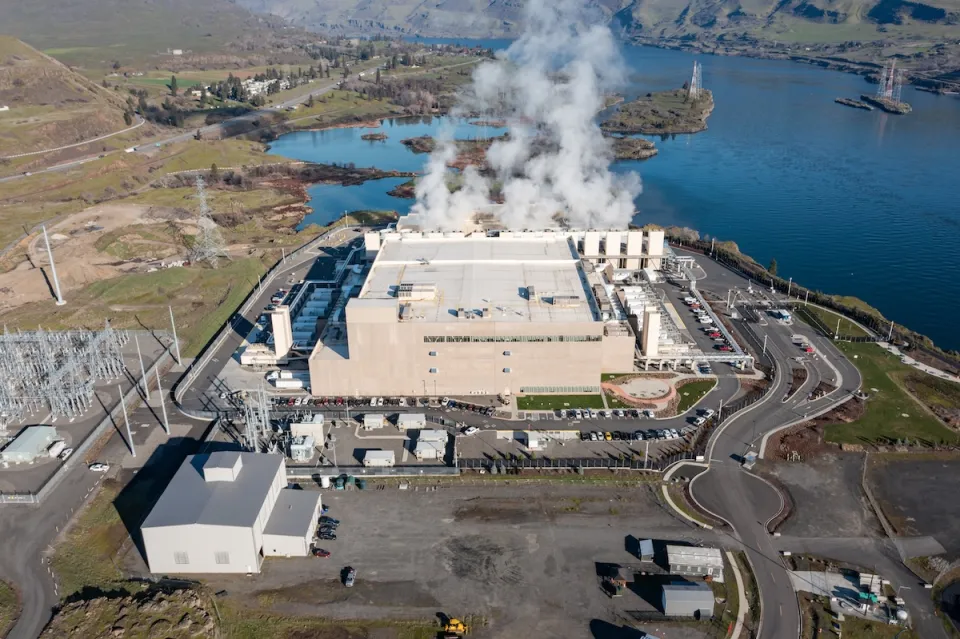
Data centers are consuming nearly 25% of Oregon’s power
The state has 111 data centers, with 32 more either planned or under construction.

A third of Texas cities must update their zoning codes to comply with new housing law
Texas municipalities are now required to allow manufactured housing in at least one residential zoning district.

Nation's most wind-powered state turns to coal as data centers increase energy demand
For the first time in decades, Iowa has increased its generation of coal power.

FREE Course: Walkable City 1: Why Walkability?
After describing his path towards focusing on walkability as the essence of good planning, Jeff Speck marches through his five principal reasons for making more walkable places.
Reinventing Malls: Planning Alchemy—Turning Gray Fields Into Gold
The course focuses on the opportunities and imperatives that shape reinvention of mall sites.

Greater Baltimore Committee
Eagle County Government
Harvard University Graduate School of Design
The Architects Foundation
University of Cincinnati Online
The Pocatello Development Authority
The Urban Renewal Agency of the City of Pocatello
Journal of the American Planning Association