A Wall Street Journal investigation found multiple and repeated violations of California’s air quality rules.


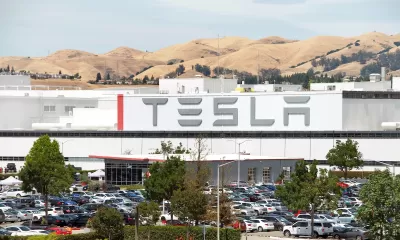
“Nothing says ‘green car company’ quite like being worse for air quality than every company in the state of California except for Chevron,” writes Collin Woodard in Jalopnik.
This is the case for Tesla, whose Fremont, California factory “violated air-pollution permits at its Fremont factory 112 times over the past five years and alleged it repeatedly failed to fix equipment designed to reduce emissions, releasing thousands of pounds of toxic chemicals in excess of permissible limits into the surrounding communities,” according to a recent Wall Street Journal article. “Their investigation found that not only were corporate bosses aware the Texas factory was polluting outside of regulations and that employees expressed fear they would lose their jobs if they reported environmental issues.”
Meanwhile, in Texas, the company removed itself from Austin’s jurisdiction to get around water pollution standards. “Sometimes during rainstorms, Tesla discharged a sludgy mix of mud and chemicals from occasional spills outside the plant, turning a ¾ mile stretch of the Colorado River into a mucky brown slick, according to pictures and videos viewed by the Journal.”
FULL STORY: Tesla Factory In California Pollutes So Much It Is Second Only To An Oil Refining Company

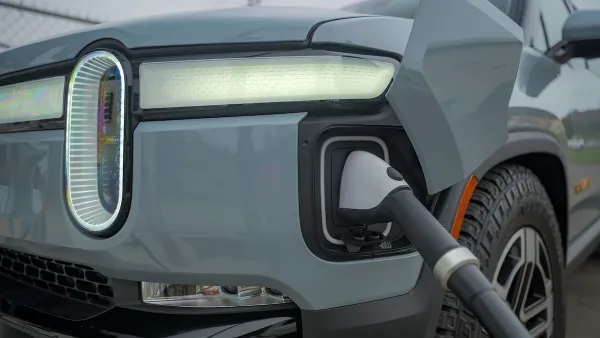
Rivian Joins Movement Toward Universal EV Charging
As more automakers like Tesla, Ford, and Rivian make their charging infrastructure compatible, the shift could lead to the faster development of a nationwide EV charging network.
Study: How EVs Perpetuate the Harms of Car Culture
While they emit less pollution, electric cars don’t solve many urgent issues like sprawl and fine particulate pollution.
Hertz Sells off Tesla Fleet
The rental giant is replacing the electric vehicles with gas-powered cars, signaling a setback for the EV industry.

The state-sanctioned urbicide of Austin
People don’t kill cities. Freeways do.

US to reduce Colorado River water deliveries to Mexico
A new Colorado Treaty amendment reduces Mexico’s Colorado River water allocation by 250,000 acre feet.

New Jersey’s second-largest city bans standalone data centers
Jersey City will continue to allow co-location facilities, such as those meant for research institutions that store their own data.

Amtrak not solely to blame for New Jersey commuter rail's unreliability, report finds
A new study from the Garden State Initiative found that NJ Transit’s budget grew 20% across a 4 year period, but reliability declined significantly over the same period.

EPA erases limits on planet-warming pollution from power plants
Under Monday’s plan, power plants would still have some limits on how much mercury, arsenic and other contaminants they can emit.

Phoenix announces new on-demand transit service, more frequent RAPID buses
Both new services will launch in October, and are part of Phoenix's Project Effective Access Solutions for Easing Congestion.

FREE Course: Walkable City 1: Why Walkability?
After describing his path towards focusing on walkability as the essence of good planning, Jeff Speck marches through his five principal reasons for making more walkable places.
Reinventing Malls: Planning Alchemy—Turning Gray Fields Into Gold
The course focuses on the opportunities and imperatives that shape reinvention of mall sites.

Eagle County Government
Harvard University Graduate School of Design
Nashville Planning Department
The Architects Foundation
University of Cincinnati Online
The Pocatello Development Authority
The Urban Renewal Agency of the City of Pocatello
Journal of the American Planning Association