While they emit less pollution, electric cars don’t solve many urgent issues like sprawl and fine particulate pollution.


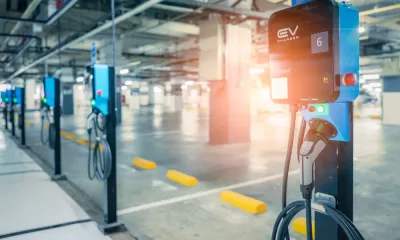
A new analysis shows that even worldwide adoption of electric vehicles to replace gas-powered cars would not solve some major problems caused by auto-oriented infrastructure.
Writing in Bloomberg CityLab, Eric Roston explains that researchers surveyed roughly 400 papers to understand how the “substantial, ongoing investment” in physical and economic infrastructure that prioritizes cars harms public health and exacerbates climate change. “A comprehensive review published last month provides a litany of what the authors call ‘car harm,’ in estimated global totals of death, injury, disease and other miseries, over the course of automotive history.”
Meanwhile, electric cars don’t change underlying development patterns or how much space is allocated to cars. “Swapping engines for batteries isn’t changing how much cities pave themselves to accommodate cars, and or how cars kill people, the authors write. Although their tailpipes don’t spew carbon monoxide, they are often heavier than their internal-combustion counterparts, which means more fine-particle pollution from tires on highways.”
FULL STORY: EVs Can’t Fix a Global Epidemic of ‘Car Harm,’ Study Finds

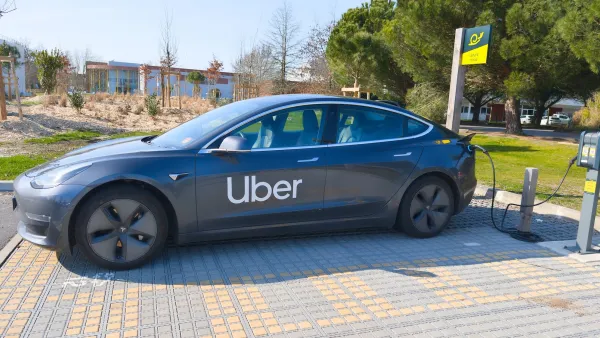
Uber Abandons Climate Commitments, Kills EV Incentive for Drivers
The company is dropping its pledge to fully electrify its fleet by 2030 and eliminating a monthly bonus for drivers who switch to EVs.
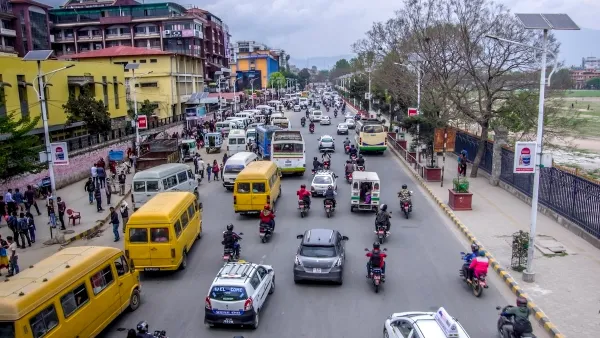
The Small South Asian Republic Going all in on EVs
Thanks to one simple policy change less than five years ago, 65% of new cars in this Himalayan country are now electric.
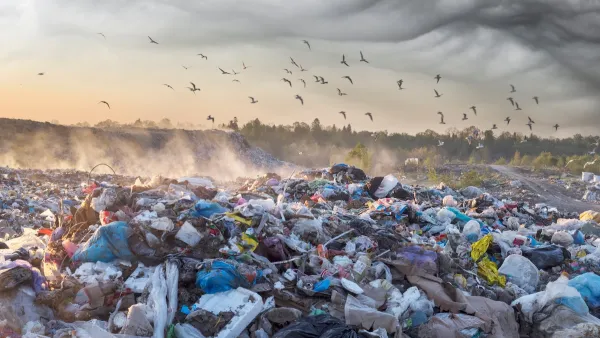
Colorado Landfills Emit as Much Pollution as 1M Cars
Landfills are the third-largest source of methane pollution in Colorado, after agriculture and fossil fuel extraction.

Planetizen Federal Action Tracker
A weekly monitor of how Trump’s orders and actions are impacting planners and planning in America.

The state-sanctioned urbicide of Austin
People don’t kill cities. Freeways do.

US to reduce Colorado River water deliveries to Mexico
A new Colorado Treaty amendment reduces Mexico’s Colorado River water allocation by 250,000 acre feet.

Guerilla urbanists are building DIY bus stop benches in Chicago
A before-and-after of one of the bus stops with a new bench. The new benches are not officially sanctioned or permitted, but the residents who placed them hope they will be the start of a network of DIY benches across the city.

Mamdani overhauls NYC's Vision Zero plan with 100 new policy goals
The overhaul aims to reduce traffic deaths and make streets safer for pedestrians, cyclists and drivers through lower speed limits, new safety infrastructure and more.

Amtrak not solely to blame for New Jersey commuter rail's unreliability, report finds
A new study from the Garden State Initiative found that NJ Transit’s budget grew 20% across a 4 year period, but reliability declined significantly over the same period.

FREE Course: Walkable City 1: Why Walkability?
After describing his path towards focusing on walkability as the essence of good planning, Jeff Speck marches through his five principal reasons for making more walkable places.
Reinventing Malls: Planning Alchemy—Turning Gray Fields Into Gold
The course focuses on the opportunities and imperatives that shape reinvention of mall sites.

Eagle County Government
Harvard University Graduate School of Design
Nashville Planning Department
The Architects Foundation
University of Cincinnati Online
The Pocatello Development Authority
The Urban Renewal Agency of the City of Pocatello
Journal of the American Planning Association