There's a narrative to be built from the results of state and local elections on issues of public transit funding: voters continue to support more funding for public transit projects and programs.


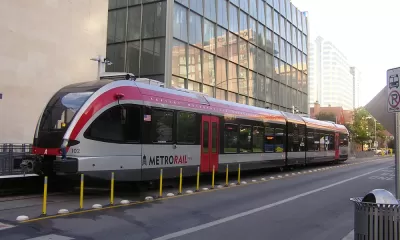
Looking over the results of numerous votes on matters of transit and transportation funding from the November 3 election, the results show consistent support for new taxes and bonds to raise new money for mobility improvements.
The American Public Transportation Association has already tallied up the sum of the funding enabled by voters on November 3, coming up with the lofty figure of $38 billion. That figure increases the total from the November 2018 election, when voters approved $33 billion for transportation.
Kea Wilson takes a different angle in describing the accomplishment of transit and transportation at the ballot box: "A whopping 13 out of 17 major transit measures on state and local ballots across the U.S. yesterday passed, bringing the public transportation industry’s 2020 win rate at the ballot box to a stunning 92 percent."
Wilson also notes that the $38 billion in funding enabled by state and local voters outpaces the $11 billion spent by the Federal Transit Administration to public transit in the entire year of 2019.
Wilson lists the biggest wins for public transit. Including Project Connect in Austin, Measure RR to fund Caltrain in a three-county area of the San Francisco Bay Area, and Proposition 1 in Seattle.
One notable failure at the ballot box belongs to the "Get Moving" plan in Portland, Oregon, which Wilson notes was a broader transportation plan that included some funding for transit in addition to car-centric projects.
FULL STORY: State and Local Transit Won in a Landslide Yesterday

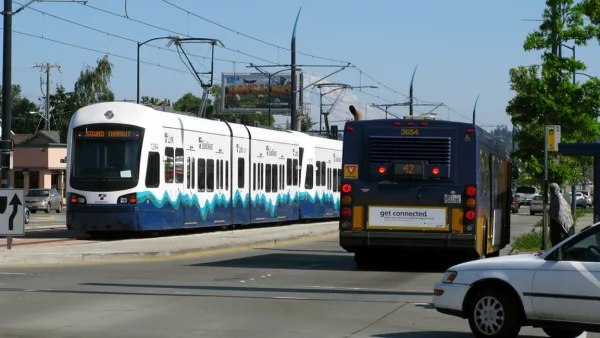
Transit's Big Day at the Ballot Box
Even with the fiscal uncertainty of the pandemic, voters around the country overwhelmingly supported new funding for public transit projects.
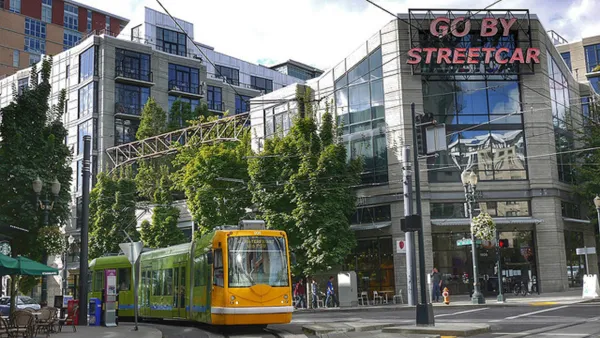
New Details for Portland's Transit Plan as Voters Head to the Polls
Voters in Portland-area voters will decide on a transportation funding measure for the "Get Moving 2020" plan, with details of four bus rapid transit project targeted for funding announced within weeks of the election.
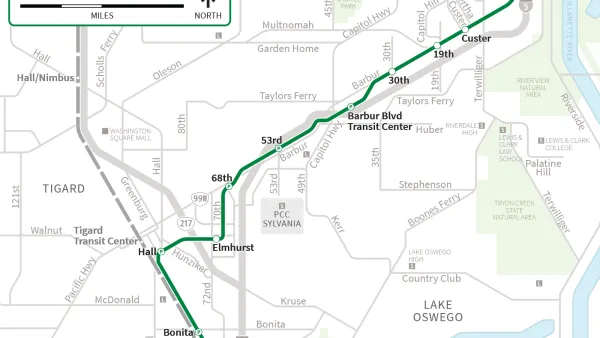
Portland Transit Vote Kills SW Transit Corridor Light Rail Project
In a pair of articles, Jonathan Maus reports on the final moments of the SW Corridor Light Rail Project, as project supporters deals with a loss at the ballot box.

Planetizen Federal Action Tracker
A weekly monitor of how Trump’s orders and actions are impacting planners and planning in America.

The state-sanctioned urbicide of Austin
People don’t kill cities. Freeways do.

US to reduce Colorado River water deliveries to Mexico
A new Colorado Treaty amendment reduces Mexico’s Colorado River water allocation by 250,000 acre feet.

Mamdani overhauls NYC's Vision Zero plan with 100 new policy goals
The overhaul aims to reduce traffic deaths and make streets safer for pedestrians, cyclists and drivers through lower speed limits, new safety infrastructure and more.

Amtrak not solely to blame for New Jersey commuter rail's unreliability, report finds
A new study from the Garden State Initiative found that NJ Transit’s budget grew 20% across a 4 year period, but reliability declined significantly over the same period.

EPA erases limits on planet-warming pollution from power plants
Under Monday’s plan, power plants would still have some limits on how much mercury, arsenic and other contaminants they can emit.

FREE Course: Walkable City 1: Why Walkability?
After describing his path towards focusing on walkability as the essence of good planning, Jeff Speck marches through his five principal reasons for making more walkable places.
Reinventing Malls: Planning Alchemy—Turning Gray Fields Into Gold
The course focuses on the opportunities and imperatives that shape reinvention of mall sites.


Eagle County Government
Harvard University Graduate School of Design
Nashville Planning Department
The Architects Foundation
University of Cincinnati Online
The Pocatello Development Authority
The Urban Renewal Agency of the City of Pocatello
Journal of the American Planning Association