The coronavirus has upended urban life, but it also provides an opportunity to look to new and innovative redesign of cities in the future.


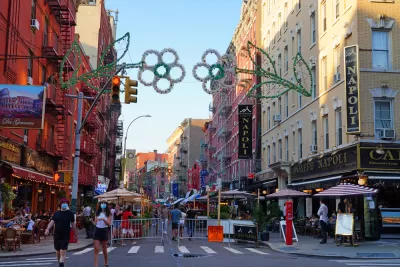
"There is a huge, looming, unanswerable question that overshadows our cities, like an elephant squatting in the central square. Will a Covid-19 vaccine or herd immunity return us to 'normal', or will we need to redesign our cities to accommodate a world in which close proximity to other people can kill you?" ask Chris Michael, Lydia McMullan, and Frank Hulley-Jones.
They consider proposals from four architecture firms about how cities might be redesigned in a post-coronavirus world. The ideas include bike superhighways, garden streets, digitally enabled high streets, and multipurpose neighborhoods. Each strategy has its pros and cons, and some ideas are not necessarily new ones.
For example, bike superhighways and garden streets could bring more green and outdoor space to communities, but their feasibility varies and implementation could be challenging. Smart cities and multipurpose neighborhoods offer more efficient use of urban space, but questions remain about issues such as equity, privacy, and the ability to create diverse urban landscapes, say Michael, McMullan, and Hulley-Jones.
FULL STORY: From garden streets to bike highways: four ideas for post-Covid cities – visualised

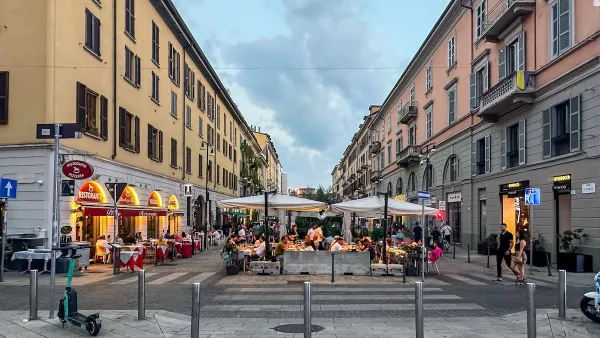
Did the Pandemic Spur Radical Urban Change?
The Covid era highlighted social inequities and prompted new paradigms for urbanism and mobility. Will they stick around?

29 Resources for Onboarding New Planning Employees
New hires are the focus of the Great Reshuffle. While it's tempting to focus on tasks, a balanced onboarding program should also explain how a planning agency's values and policies align with theory and practice. Here are 29 conversation starters.
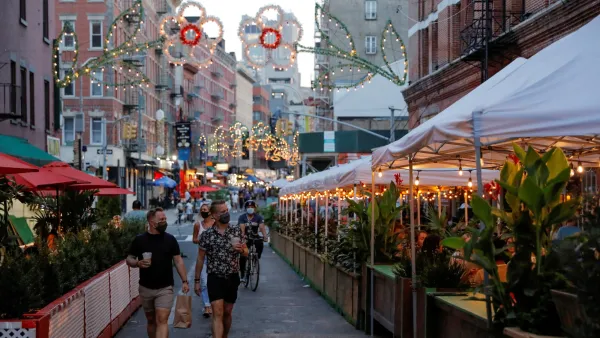
The Death and Life of the 'Death of the City' Narrative
At the onset of the pandemic, certain media figures were quick to jump on the bandwagon of anti-urbanism. While many of the anti-urban predictions failed to come about—neither did the problems of cities disappear.

The state-sanctioned urbicide of Austin
People don’t kill cities. Freeways do.

US to reduce Colorado River water deliveries to Mexico
A new Colorado Treaty amendment reduces Mexico’s Colorado River water allocation by 250,000 acre feet.

New Jersey’s second-largest city bans standalone data centers
Jersey City will continue to allow co-location facilities, such as those meant for research institutions that store their own data.

Amtrak not solely to blame for New Jersey commuter rail's unreliability, report finds
A new study from the Garden State Initiative found that NJ Transit’s budget grew 20% across a 4 year period, but reliability declined significantly over the same period.

EPA erases limits on planet-warming pollution from power plants
Under Monday’s plan, power plants would still have some limits on how much mercury, arsenic and other contaminants they can emit.

Phoenix announces new on-demand transit service, more frequent RAPID buses
Both new services will launch in October, and are part of Phoenix's Project Effective Access Solutions for Easing Congestion.

FREE Course: Walkable City 1: Why Walkability?
After describing his path towards focusing on walkability as the essence of good planning, Jeff Speck marches through his five principal reasons for making more walkable places.
Reinventing Malls: Planning Alchemy—Turning Gray Fields Into Gold
The course focuses on the opportunities and imperatives that shape reinvention of mall sites.

Eagle County Government
Harvard University Graduate School of Design
Nashville Planning Department
The Architects Foundation
University of Cincinnati Online
The Pocatello Development Authority
The Urban Renewal Agency of the City of Pocatello
Journal of the American Planning Association