Having experienced improper detainment by transit police officers, National City Housing Advisory Committee Commissioner Marcus Bush calls for substantive change in transit fare enforcement systems.


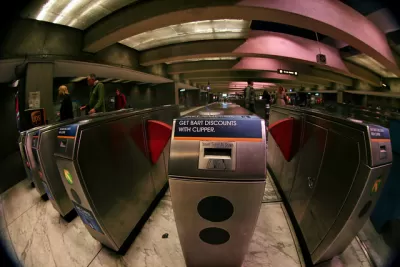
In San Diego, Black Americans account for only 12-14% of Metropolitan Transit System (MTS) ridership, but they receive 32% of the quality-of-life citations. No other group experiences this kind of disproportionate share, notes National City Housing Advisory Committee commissioner Marcus Bush in a recent Voice of San Diego piece detailing an experience of improper detainment by MTS enforcement officers.
"The data from MTS is consistent with what we’ve seen in transit agencies across the country – from large cities such as Los Angeles and New York City – to smaller cities like Portland. It confirms the reality that many of us have personally experienced – the unfair and disparate treatment of Black transit riders," writes Bush.
The MTS Board of Directors approved a program to reduce fare-evasion fines and allow community service rather than monetary payment. Bush considers these to be good first steps, but wants to see more intentional consideration to "address disparate treatment of Black riders and ensure a welcoming, safe, and fair transit system for all transit riders." Bush calls specifically for the reconsideration of transit security and attitudes toward addressing fare evasion as well as the decriminalization of an inability to pay evasion fees.
Moreover, transit officials should undergo more anti-bias training and work with social support services to help riders with mental health issues. Addressing the issues underlying fare evasion will allow for a transit system accessible and safe for everyone, says Bush.
FULL STORY: Transit Officers Target Black Riders – That Needs to Change

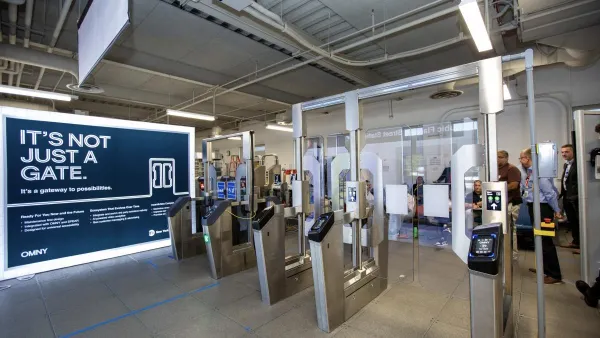
New York MTA Installs ‘Smart’ Fare Gates to Stop Turnstile Hoppers
New fare gates use sensors and higher panels to prevent people from passing without paying, but the tech had a “bumpy rollout” on its first day.
Commentary: By Quietly Ignoring Fare Evasion, LA Metro Inadvertently Became the Nation’s Largest Free Transit Experiment
Since the agency switched to in-house security, fare enforcement citations have plummeted.
Seattle to Reinstate Bus Fare Enforcement
After a COVID-era move to eliminate fare inspections on city buses, King County Metro is reinstating checks for fare evasion.

Planetizen Federal Action Tracker
A weekly monitor of how Trump’s orders and actions are impacting planners and planning in America.

The state-sanctioned urbicide of Austin
People don’t kill cities. Freeways do.

US to reduce Colorado River water deliveries to Mexico
A new Colorado Treaty amendment reduces Mexico’s Colorado River water allocation by 250,000 acre feet.

5 New England states march closer to 800 megawatt wind energy project
Securing federal approval for the project may be complicated under the Trump administration, which has historically been hostile towards domestic wind power.

Baltimore to break ground on $50 million Transit Priority Project
The project will bring faster bus trips, safer streets and better bike connections to Baltimore.

Airbnb launches $250 million 'last-dollar financing' housing accelerator, makes first investment in Austin
The company will put $6.4 million towards affordable housing development in Texas’ capital.

FREE Course: Walkable City 1: Why Walkability?
After describing his path towards focusing on walkability as the essence of good planning, Jeff Speck marches through his five principal reasons for making more walkable places.
Reinventing Malls: Planning Alchemy—Turning Gray Fields Into Gold
The course focuses on the opportunities and imperatives that shape reinvention of mall sites.

Eagle County Government
Harvard University Graduate School of Design
Nashville Planning Department
The Architects Foundation
University of Cincinnati Online
The Pocatello Development Authority
The Urban Renewal Agency of the City of Pocatello
Journal of the American Planning Association