A pilot program that installed 50 speed cameras near schools in Toronto would only send warnings to scofflaws, but someone is stealing the cameras anyway.


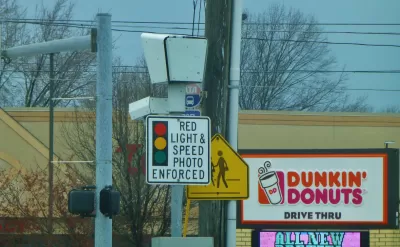
"Four of Toronto’s speed cameras have been stolen before the devices can even start generating tickets, complicating the rollout of a controversial technology that safety advocates warn is too concentrated on quiet local roads," reported Oliver Moore in February. Moore reports this week via Twitter that another of the cameras have been stolen.
The four stolen cameras are part of a pilot program that has installed 50 cameras "near schools in a six-month pilot project to assess their impact on road safety," according to Moore's article in February. "Each has a warning sign nearby, and for the first three months, speeding drivers will get cautionary letters instead of tickets."
The article includes a lot more detail about the road conditions of the locations selected for the pilot program, and the politics of traffic safety in Toronto.
An article by Aaron Gordon, shared by Planetizen earlier this month, connects the opposition and backlash against automated traffic law enforcement to the ongoing conversation about the racial disparities in police enforcement of traffic safety.
FULL STORY: Controversial rollout of speed cameras in Toronto marred by vandalism, theft

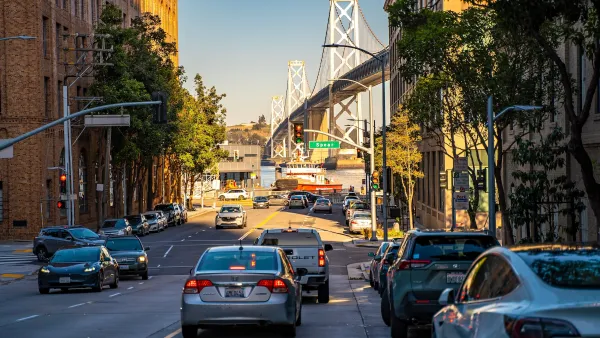
After San Francisco installed traffic cameras, speeding dropped by 80%
The city was allowed to install speed cameras as part of a five-year pilot program approved by California in 2023.

USDOT Blocks Federal Funding for Traffic Cameras
Applicants to the Safe Streets and Roads for All grant program will not be allowed to use funds for automated traffic enforcement.

San Francisco Turns On California’s First Speed Cameras
The city is the first in the state to use automated traffic enforcement to reduce speeding and traffic deaths.

The state-sanctioned urbicide of Austin
People don’t kill cities. Freeways do.

US to reduce Colorado River water deliveries to Mexico
A new Colorado Treaty amendment reduces Mexico’s Colorado River water allocation by 250,000 acre feet.

New Jersey’s second-largest city bans standalone data centers
Jersey City will continue to allow co-location facilities, such as those meant for research institutions that store their own data.

Amtrak not solely to blame for New Jersey commuter rail's unreliability, report finds
A new study from the Garden State Initiative found that NJ Transit’s budget grew 20% across a 4 year period, but reliability declined significantly over the same period.

EPA erases limits on planet-warming pollution from power plants
Under Monday’s plan, power plants would still have some limits on how much mercury, arsenic and other contaminants they can emit.

Phoenix announces new on-demand transit service, more frequent RAPID buses
Both new services will launch in October, and are part of Phoenix's Project Effective Access Solutions for Easing Congestion.

FREE Course: Walkable City 1: Why Walkability?
After describing his path towards focusing on walkability as the essence of good planning, Jeff Speck marches through his five principal reasons for making more walkable places.
Reinventing Malls: Planning Alchemy—Turning Gray Fields Into Gold
The course focuses on the opportunities and imperatives that shape reinvention of mall sites.

Eagle County Government
Harvard University Graduate School of Design
Nashville Planning Department
The Architects Foundation
University of Cincinnati Online
The Pocatello Development Authority
The Urban Renewal Agency of the City of Pocatello
Journal of the American Planning Association