In the co-investing model, companies are part owners of homes. While this arrangement gives potential homebuyers more options, this isn’t a real solution to the country’s housing affordability crisis.


Issi Romem writes about the emergence of the owner-renter hybrid model and ways the pandemic could affect these arrangements and the housing market. "Instead of just lending people money to buy homes, companies are now co-investing with them — in other words, taking an ownership stake in the home. This can take on many different forms, including offering down payment assistance or providing a substitute for home equity loans."
The owner-renter hybrid means that people do not ever gain full ownership of their homes. The idea is not new, Romem says, with similarities to rent-to-own approaches and rent control.
While the owner-renter hybrid might be an appealing option for people facing housing cost challenges, particularly during the pandemic when homeowners may lose their homes, the long-term outcomes do not address housing affordability, Romem says.
"Increasing people’s buying power, even if it emerges from something as significant as giving up on traditional ownership, won’t improve the state of housing affordability. As long as demand is fundamentally strong, building more housing is the only thing that will help," Romem concludes.
FULL STORY: A Cheaper Roof Over Your Head During the Pandemic?

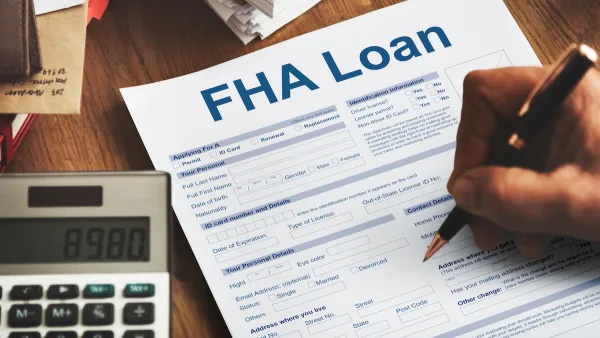
Federal Rule Change Lets Banks Include ADU Income in Mortgage Decisions
A policy change from the Federal Housing Administration is designed to spur more rental housing construction and bring homeownership within reach of more U.S. households.
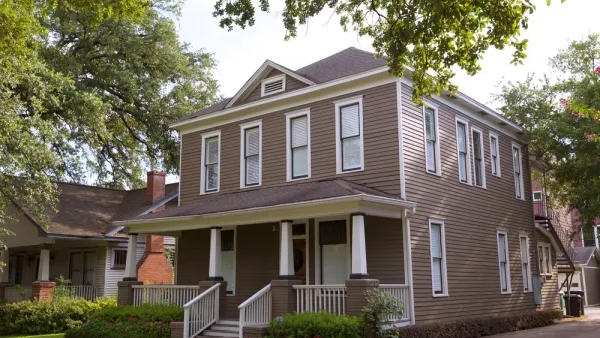
Racial Bias Still Rampant in the Mortgage Industry
New research that controls for financial factors the industry said would explain disparities shows that race still plays a major role in loan decisions.

The 30-Year Mortgage Faces an Unprecedented Threat: Climate Change
The climate crisis will present more of an existential crisis to the traditional U.S. mortgage market than any previous financial crisis, according to some of the experts cited in the article.

Planetizen Federal Action Tracker
A weekly monitor of how Trump’s orders and actions are impacting planners and planning in America.

The state-sanctioned urbicide of Austin
People don’t kill cities. Freeways do.

US to reduce Colorado River water deliveries to Mexico
A new Colorado Treaty amendment reduces Mexico’s Colorado River water allocation by 250,000 acre feet.

5 New England states march closer to 800 megawatt wind energy project
Securing federal approval for the project may be complicated under the Trump administration, which has historically been hostile towards domestic wind power.

Baltimore to break ground on $50 million Transit Priority Project
The project will bring faster bus trips, safer streets and better bike connections to Baltimore.

Airbnb launches $250 million 'last-dollar financing' housing accelerator, makes first investment in Austin
The company will put $6.4 million towards affordable housing development in Texas’ capital.

FREE Course: Walkable City 1: Why Walkability?
After describing his path towards focusing on walkability as the essence of good planning, Jeff Speck marches through his five principal reasons for making more walkable places.
Reinventing Malls: Planning Alchemy—Turning Gray Fields Into Gold
The course focuses on the opportunities and imperatives that shape reinvention of mall sites.

Eagle County Government
Harvard University Graduate School of Design
Nashville Planning Department
The Architects Foundation
University of Cincinnati Online
The Pocatello Development Authority
The Urban Renewal Agency of the City of Pocatello
Journal of the American Planning Association