Riding a bicycle is not only a coping mechanism; it's also a way to protect ourselves during the coronavirus pandemic.


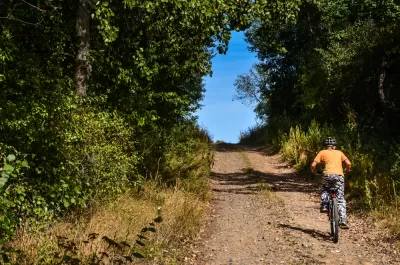
In a time of chaos, the bike brings simplicity. Many rely on bicycles to hone a sense of mental clarity—to practice serenity.
"Life now is a dizzying muddle of moving parts and complication, assessments of science and sifting through news for what’s personally relevant. The bike, by contrast, asks little. It doesn’t take up much room in our cities, nor in our minds. During crises we need to focus on vital immediate tasks. The bike is one less burden. It frees up mental space," writes Gideon Forman in an ode to the bike.
Bicycles can be considered as allies during the pandemic, Forman reflects. Bikes foster a sense of self-reliance and personal agency in addition to making the air cleaner and lower the risks of COVID-19. A Harvard University study released in April looked at the effect of a component of air pollution (fine particulate matter or PM2.5) on COVID-19 patients. The research found a “small increase in long-term exposure to PM2.5 leads to a large increase in COVID-19 death rate.”
In light of the study's findings, Forman returns to the beloved bicycle as a protective measure. To stop pollution is to protect ourselves from its negative effects.
FULL STORY: The bike as COVID-19 solution

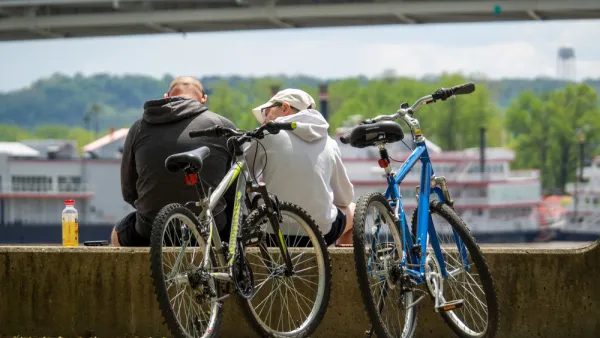
2020's Hot Transportation Trend: The Bike
A prominent consequence of the stay-at-home orders and social distancing of the Covid-19 pandemic in the United States has been a dramatic surge in the popularity of bike transportation.
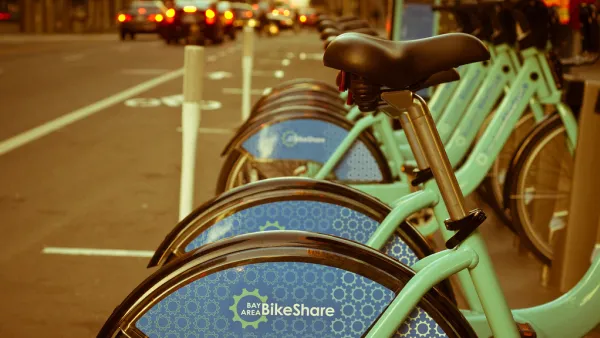
Bike Share Lessons From the Pandemic
Bike share data from six U.S. cities offer insight into how Americans have changed travel patterns during the pandemic.
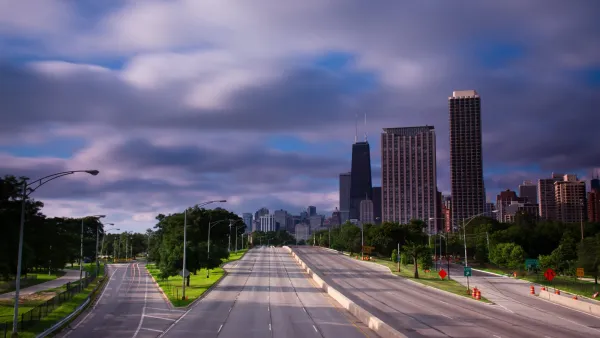
The Pandemic Offers a Chance to Rethink the Mobility Priorities of Cities
Cities have an opportunity to make bold changes that would give pedestrians and cyclists the space on streets that they deserve.

Planetizen Federal Action Tracker
A weekly monitor of how Trump’s orders and actions are impacting planners and planning in America.

The state-sanctioned urbicide of Austin
People don’t kill cities. Freeways do.

US to reduce Colorado River water deliveries to Mexico
A new Colorado Treaty amendment reduces Mexico’s Colorado River water allocation by 250,000 acre feet.

Mamdani overhauls NYC's Vision Zero plan with 100 new policy goals
The overhaul aims to reduce traffic deaths and make streets safer for pedestrians, cyclists and drivers through lower speed limits, new safety infrastructure and more.

Amtrak not solely to blame for New Jersey commuter rail's unreliability, report finds
A new study from the Garden State Initiative found that NJ Transit’s budget grew 20% across a 4 year period, but reliability declined significantly over the same period.

EPA erases limits on planet-warming pollution from power plants
Under Monday’s plan, power plants would still have some limits on how much mercury, arsenic and other contaminants they can emit.

FREE Course: Walkable City 1: Why Walkability?
After describing his path towards focusing on walkability as the essence of good planning, Jeff Speck marches through his five principal reasons for making more walkable places.
Reinventing Malls: Planning Alchemy—Turning Gray Fields Into Gold
The course focuses on the opportunities and imperatives that shape reinvention of mall sites.

Eagle County Government
Harvard University Graduate School of Design
Nashville Planning Department
The Architects Foundation
University of Cincinnati Online
The Pocatello Development Authority
The Urban Renewal Agency of the City of Pocatello
Journal of the American Planning Association