Landlords and the NAACP agree on the need for property tax reform in New York City, but it took a lawsuit to get the city moving on reform, and the state is still dragging its feet.



J. David Goodman reports on a lawsuit in New York City intended to reform a property taxes that almost everyone hates—so much so that the lawsuit has attracted "a broad and unexpected coalition of plaintiffs that included city landlords, urban planners, budget hawks and even the N.A.A.C.P., which had for years complained of racial inequities in the property tax system."
The lawsuit, filed in 2017, inspired Mayor Bill de Blasio and the City Council to create a commission that eventually proposed "the first real changes to the property tax system in nearly three decades," according to Goodman, who explains the proposed recommendations in more detail:
The commission recommended that the city assess most homes, including co-ops and condominiums, at full market value, and remove a cap on how much the value of a property can increase each year. Under that plan, many property owners can expect to pay less in taxes, but hundreds of thousands of homeowners may pay more.
The changes would require approval at both the state and city levels, so political fallout would be expected if the recommendations were to proceed to legislative action. As documented by Goodman, however, the recommendations have so far failed to inspire an activity toward legislative ends at the state level.
FULL STORY: A New York Issue That Unites Landlords and the N.A.A.C.P.

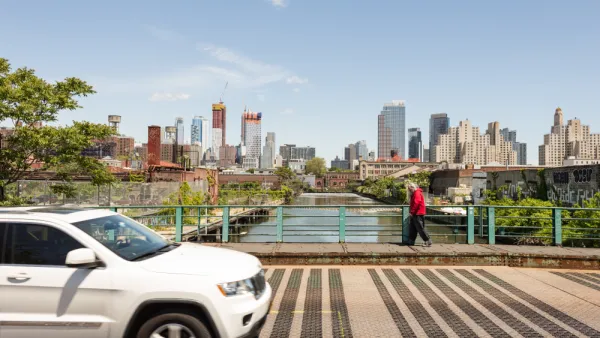
Gowanus Rezoning Clears Post-Approval Legal Hurdle
The saga of the Gowanus Neighborhood Planning Study, approved by New York City at the end of 2021, continues into the summer of 2022. Opponents claimed the Gowanus rezoning ran afoul of the state’s environment law. A county judge dismissed the case.
Planning via Zoom: Legal Scrutiny for Pandemic Realities in New York City
The question of whether a public review process conducted by Zoom is sufficient to approve a sweeping rezoning plan is a matter of no small legal concern in New York City.

Lawsuit Challenges Zoom Hearings on Gowanus Rezoning Plan
Planning departments relying on online public hearing processes will want to keep monitor this lawsuit in New York City.

The state-sanctioned urbicide of Austin
People don’t kill cities. Freeways do.

US to reduce Colorado River water deliveries to Mexico
A new Colorado Treaty amendment reduces Mexico’s Colorado River water allocation by 250,000 acre feet.

New Jersey’s second-largest city bans standalone data centers
Jersey City will continue to allow co-location facilities, such as those meant for research institutions that store their own data.

Amtrak not solely to blame for New Jersey commuter rail's unreliability, report finds
A new study from the Garden State Initiative found that NJ Transit’s budget grew 20% across a 4 year period, but reliability declined significantly over the same period.

EPA erases limits on planet-warming pollution from power plants
Under Monday’s plan, power plants would still have some limits on how much mercury, arsenic and other contaminants they can emit.

Phoenix announces new on-demand transit service, more frequent RAPID buses
Both new services will launch in October, and are part of Phoenix's Project Effective Access Solutions for Easing Congestion.

FREE Course: Walkable City 1: Why Walkability?
After describing his path towards focusing on walkability as the essence of good planning, Jeff Speck marches through his five principal reasons for making more walkable places.
Reinventing Malls: Planning Alchemy—Turning Gray Fields Into Gold
The course focuses on the opportunities and imperatives that shape reinvention of mall sites.

Eagle County Government
Harvard University Graduate School of Design
Nashville Planning Department
The Architects Foundation
University of Cincinnati Online
The Pocatello Development Authority
The Urban Renewal Agency of the City of Pocatello
Journal of the American Planning Association