Where other cities have found common ground with Airbnb and the short-term rental industry, Denver's negotiations toward regulations have continued since 2018 with little to show for the effort.



"Denver officials rejected a proposal from Airbnb this week on how to remove inactive and illegal postings from the site," reports Conrad Swanson. The rejection is the latest development in "drawn-out negotiations between the city and the company" to determine regulations for the city's short-term rental industry.
Swanson's scoop is sourced from documents obtained by The Denver Post, which indicate a pattern of behavior by Airbnb also reported in cities like Los Angeles, Boston, San Francisco, and New York, according to Swanson. "In some cases the company has filed lawsuits over the disagreements before ultimately settling and agreeing to cooperate with local regulations," according to Swanson.
Denver officials promise that similar tactics won't work in Denver. Eric Escudero, a spokesperson for the Department of Excise and Licenses, is quoted in the article committing the city to actions that will bring short-term rental companies into regulatory compliance.
FULL STORY: Frustrated Denver officials reject deal with Airbnb

Denver Approves Short-Term Rentals for Primary Residences
A new ordinance approved by the Denver City Council yesterday grants legitimacy to an "already flourishing vacation rental market."
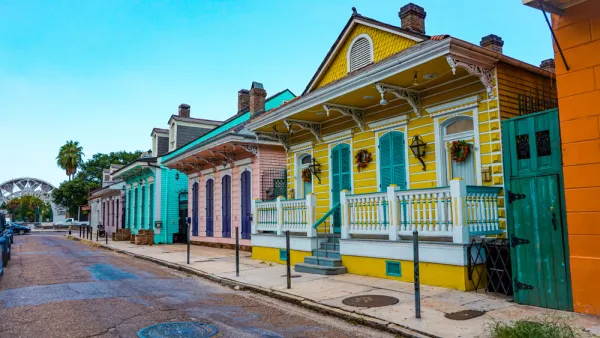
How Short-Term Rental Restrictions Impact Urban Planning
Short-term rental regulations are a hot topic in the urban planning world. As more cities consider—or are already implementing—these regulations, they need to understand how they impact various urban landscape areas.

Ontario Upholds Toronto's Airbnb Regulations
The vacancy rate in Toronto has been estimated as low 1.1 percent, but the province has approved regulations intended to restore units that have been taken off the long-term rental market by short-term rental platforms like Airbnb.

Planetizen Federal Action Tracker
A weekly monitor of how Trump’s orders and actions are impacting planners and planning in America.

The state-sanctioned urbicide of Austin
People don’t kill cities. Freeways do.

US to reduce Colorado River water deliveries to Mexico
A new Colorado Treaty amendment reduces Mexico’s Colorado River water allocation by 250,000 acre feet.

Mamdani overhauls NYC's Vision Zero plan with 100 new policy goals
The overhaul aims to reduce traffic deaths and make streets safer for pedestrians, cyclists and drivers through lower speed limits, new safety infrastructure and more.

Amtrak not solely to blame for New Jersey commuter rail's unreliability, report finds
A new study from the Garden State Initiative found that NJ Transit’s budget grew 20% across a 4 year period, but reliability declined significantly over the same period.

EPA erases limits on planet-warming pollution from power plants
Under Monday’s plan, power plants would still have some limits on how much mercury, arsenic and other contaminants they can emit.

FREE Course: Walkable City 1: Why Walkability?
After describing his path towards focusing on walkability as the essence of good planning, Jeff Speck marches through his five principal reasons for making more walkable places.
Reinventing Malls: Planning Alchemy—Turning Gray Fields Into Gold
The course focuses on the opportunities and imperatives that shape reinvention of mall sites.

Eagle County Government
Harvard University Graduate School of Design
Nashville Planning Department
The Architects Foundation
University of Cincinnati Online
The Pocatello Development Authority
The Urban Renewal Agency of the City of Pocatello
Journal of the American Planning Association