Data from the city's e-scooter pilot program show that they might be filling in the first-mile/last-mile gap for riders at all income levels.


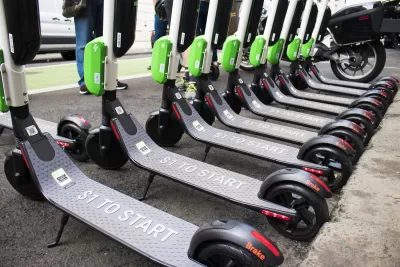
Lynda Lopez writes about a new report from DePaul University researchers about e-scooter usage in Chicago during a pilot project that is scheduled to run to mid-October. The study takes a closer look at one day of data collected every two minutes in July.
It finds that operators are generally deploying fewer than the 250 scooters allowed. "Some reasons for numbers being lower than the maximum levels were offered in the study, which included higher-than-expected maintenance issues or a desire from operators to focus on particularly geographic areas," notes Lopez.
Usage during peak hours suggests that riders are using the devices to travel to and from transit stations and stops. The analysis also shows that scooters are not just being used in affluent neighborhoods in Chicago. In some low-income parts of the city, the number of scooters remained above 40 percent.
"The study provided some promising data about the presence of e-scooters and their potential to be an asset for communities underserved by Divvy and transit," adds Lopez.
FULL STORY: DePaul Study: Scooters Are Being Used for Trips to Transit, and in Low-Income Areas

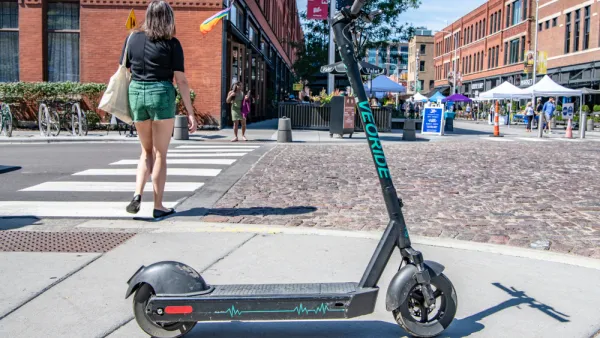
Lessons From Five Years of E-Scooters
As cities continue to adapt micromobility regulations to address new devices and technologies, what can we learn from Chicago's five years of e-scooter pilots?
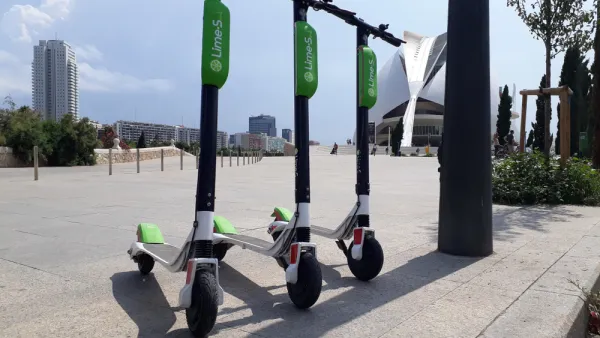
Micromobility Makes a Comeback
Decreased public transit ridership is bringing some transit agencies to consider partnerships with micromobility corporations.
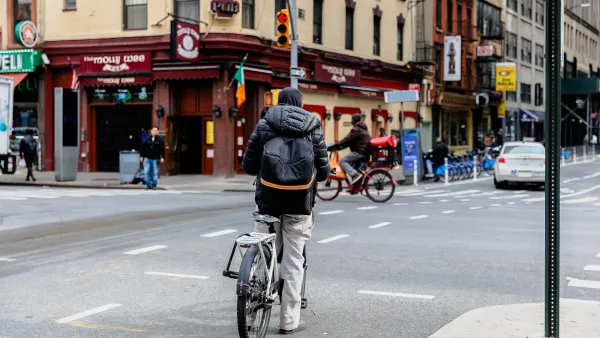
NYC e-bike injury study highlights 'critical infrastructure deficiencies'
The sharp rise in e-mobility injuries points to a need for safer roads, not more punitive laws.

The state-sanctioned urbicide of Austin
People don’t kill cities. Freeways do.

US to reduce Colorado River water deliveries to Mexico
A new Colorado Treaty amendment reduces Mexico’s Colorado River water allocation by 250,000 acre feet.

New Jersey’s second-largest city bans standalone data centers
Jersey City will continue to allow co-location facilities, such as those meant for research institutions that store their own data.

Amtrak not solely to blame for New Jersey commuter rail's unreliability, report finds
A new study from the Garden State Initiative found that NJ Transit’s budget grew 20% across a 4 year period, but reliability declined significantly over the same period.

EPA erases limits on planet-warming pollution from power plants
Under Monday’s plan, power plants would still have some limits on how much mercury, arsenic and other contaminants they can emit.

Phoenix announces new on-demand transit service, more frequent RAPID buses
Both new services will launch in October, and are part of Phoenix's Project Effective Access Solutions for Easing Congestion.

FREE Course: Walkable City 1: Why Walkability?
After describing his path towards focusing on walkability as the essence of good planning, Jeff Speck marches through his five principal reasons for making more walkable places.
Reinventing Malls: Planning Alchemy—Turning Gray Fields Into Gold
The course focuses on the opportunities and imperatives that shape reinvention of mall sites.

Eagle County Government
Harvard University Graduate School of Design
Nashville Planning Department
The Architects Foundation
University of Cincinnati Online
The Pocatello Development Authority
The Urban Renewal Agency of the City of Pocatello
Journal of the American Planning Association