The approval of a 200-bed shelter for detained immigrant shelter will require zoning approvals from the D.C. Board of Zoning Appeals.


Martin Austermuhle reports:
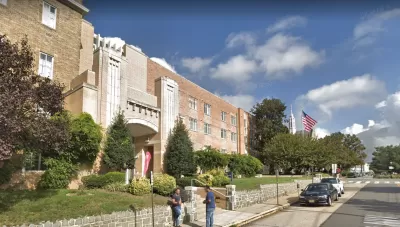
A proposed 200-bed shelter in D.C. to house detained immigrant children is likely to face a number of legal and regulatory obstacles from city officials and residents, including a possible public zoning hearing and legislative attempts to prohibit such a large facility from getting a license to operate to begin with.
Dynamic Service Solutions, a Maryland-based contractor, has received a $20.5 million contract from the U.S. Department of Health and Human Services to operate the shelter in D.C. for undocumented and unaccompanied immigrant kids aged 12 to 17.
The shelter would located on Laurel Street NW in the Takoma neighborhood, adds Austermuhle, less than a block from the border with Maryland. The building will require approval from the city’s Board of Zoning Adjustment (BZA). The article includes details on the expected approval process and the controversy that will likely surround the proposal.
Read the full story: Controversial Proposed D.C. Shelter For Detained Immigrant Kids Faces Barrage Of Challenges


From robotaxis to robotrains: LA, DC weigh driverless transit
If approved, the projects will take years to implement and face financial and technical hurdles.

Beverly Hills Put On Blast for High-Rise Approval Delay
The Newsom administration sent a letter warning Beverly Hills that their failure to process an application for a residential high-rise is a violation of state housing law

L.A. Law Exempts Affordable Housing From Time-Consuming Review Process
Affordable housing and other qualifying projects will no longer be subject to Site Plan Review under a law signed by the city’s mayor last week.

Planetizen Federal Action Tracker
A weekly monitor of how Trump’s orders and actions are impacting planners and planning in America.

California plans to bury El Niño’s downpour
If the state plays its cards right, it may be able to store a billion acre-feet of El Niño’s water in aquifers.

Desperate measures: Advocates weigh draining Lake Powell to fill Colorado River
Draining the reservoir could reduce evaporation losses by a couple hundred thousand acre-feet.

MTA gives itself 30 days to transform pit into basketball court
The site has been under construction since 2022; the city originally estimated it would finish the court in 2024.

Non-stop party: Chicago voters weigh permanent festival grounds
A stable place for bleachers, stages and drainage may streamline the setup and teardown of large events.

Metra may invest $9.1 billion in regional rail
The agency released a draft of a study examining potential ways to offer more frequent train service.

FREE Course: Walkable City 1: Why Walkability?
After describing his path towards focusing on walkability as the essence of good planning, Jeff Speck marches through his five principal reasons for making more walkable places.
Reinventing Malls: Planning Alchemy—Turning Gray Fields Into Gold
The course focuses on the opportunities and imperatives that shape reinvention of mall sites.

City of Rosemead
Rutgers University, Edward J. Bloustein School of Planning and Public Policy
One Hundred Miles
Hunter College, City University of New York (CUNY)
The Architects Foundation
University of Cincinnati Online
City of Cambridge
Montrose County
The Pocatello Development Authority