With $5.2 billion of investment in the past 10 years, and another $3.5 billion in the development pipeline, Pittsburgh planning organizations are considering ways to rethink the streets of the city's downtown.


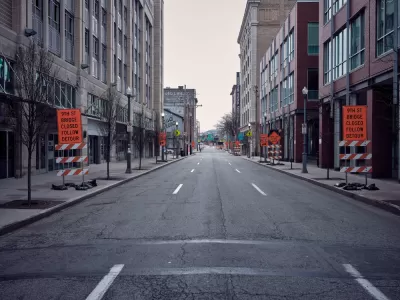
The Pittsburgh Downtown Partnership, along with the city of Pittsburgh, Port Authority of Allegheny County, and the Southwestern Pennsylvania Commission, is preparing to launch a one-year planning study of downtown streets, with the aim of preparing for changing trends and technological innovations.
"The study will look at such things as reducing single-passenger vehicles, creating stopping areas for shared-services such as Lyft and Uber and identifying where future bike and pedestrian paths should be located," reports Ed Blazina.
The Port Authority board could clear the way for the study when it meets later this week.
"The study should take about a year to complete, but it likely will be a living plan that changes as projects and issues develop. The Downtown Partnership, which is paying for the study, has received proposals from consultants and expects to choose one by September," reports Blazina.
FULL STORY: Pittsburgh, agencies to study future of Downtown streets

Redesigning Streets for Livability: A Global View
An excerpt from the introduction of the recent book, “Streets For All: 50 Strategies for Shaping Resilient Cities,” edited by Vinayak Bharne and Shyam Khandekar.
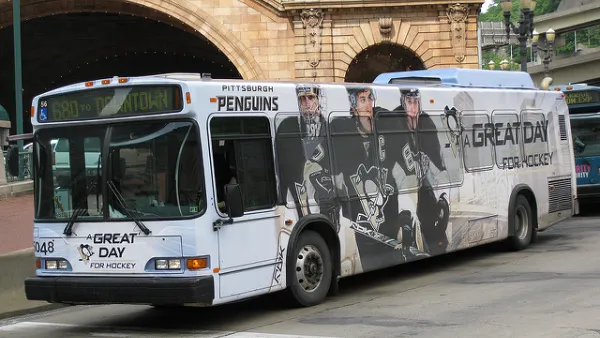
New 25-Year Transit Plan in the Works in the Pittsburgh Area
A new 25-year transit planning process for Allegheny County will allow the flexibility to keep up with technological advances.
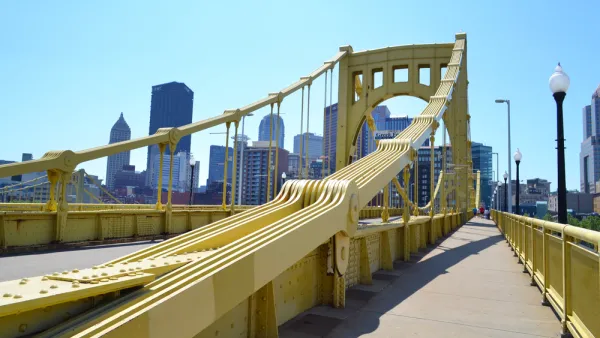
$4.9 Billion Planned for Transportation Investments in Southwest Pennsylvania
The public had a chance to review the substance of the Southwestern Pennsylvania Commission's Transportation Improvement Program this week.

The state-sanctioned urbicide of Austin
People don’t kill cities. Freeways do.

US to reduce Colorado River water deliveries to Mexico
A new Colorado Treaty amendment reduces Mexico’s Colorado River water allocation by 250,000 acre feet.

New Jersey’s second-largest city bans standalone data centers
Jersey City will continue to allow co-location facilities, such as those meant for research institutions that store their own data.

Amtrak not solely to blame for New Jersey commuter rail's unreliability, report finds
A new study from the Garden State Initiative found that NJ Transit’s budget grew 20% across a 4 year period, but reliability declined significantly over the same period.

EPA erases limits on planet-warming pollution from power plants
Under Monday’s plan, power plants would still have some limits on how much mercury, arsenic and other contaminants they can emit.

Phoenix announces new on-demand transit service, more frequent RAPID buses
Both new services will launch in October, and are part of Phoenix's Project Effective Access Solutions for Easing Congestion.

FREE Course: Walkable City 1: Why Walkability?
After describing his path towards focusing on walkability as the essence of good planning, Jeff Speck marches through his five principal reasons for making more walkable places.
Reinventing Malls: Planning Alchemy—Turning Gray Fields Into Gold
The course focuses on the opportunities and imperatives that shape reinvention of mall sites.

Eagle County Government
Harvard University Graduate School of Design
Nashville Planning Department
The Architects Foundation
University of Cincinnati Online
The Pocatello Development Authority
The Urban Renewal Agency of the City of Pocatello
Journal of the American Planning Association