The Interstate 70 expansion project is affecting air quality in surrounding neighborhoods, where chronic illness is prevalent and residents feel their health and safety have not been priorities.


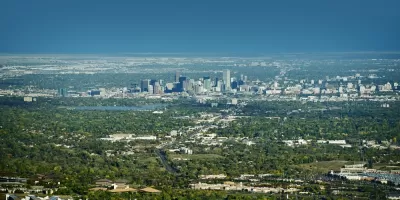
Photojournalist RJ Sangosti reports on residents in a part of Denver where the air quality is some of the worst in the nation and asthma rates are on the rise. "A health-impact assessment conducted by Denver in 2014 found that residents of Elyria-Swansea and Globeville experience higher incidences of chronic health conditions — including asthma, cardiovascular disease, diabetes and obesity — than other Denver neighborhoods."
Poor air quality has plagued the area for years, but the Colorado Department of Transportation is now also expanding Interstate 70. Residents are worried that dust and diesel pollution from the project will exacerbate health problems in the community, particularly for children with asthma living in these neighborhoods.
Sangosti says that a noise variance meeting last fall brought out a diversity of residents concerned about the construction. "[Yadira] Sanchez’s son Ruben was among them. The teenager spoke about growing up near the construction and his concerns for his mother and two younger siblings who have asthma. He wondered how four years of breathing construction dust from the expansion will affect his family."
FULL STORY: The Long Shadow: Families in Elyria-Swansea struggle with asthma amid historic I-70 construction

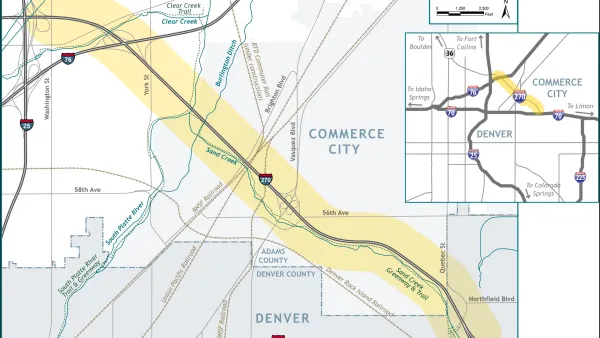
Colorado DOT To Study Air Quality Near I-270 Project—Residents Are Skeptical
The Colorado Department of Transportation has pledged to evaluate direct mitigation measures to reduce the impact of construction projects on nearby communities.
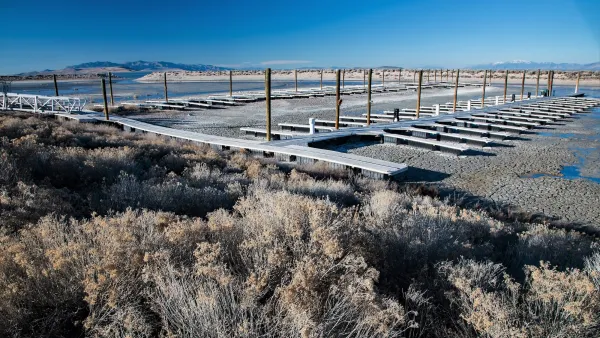
Dust From Exposed Great Salt Lake Bed Threatens Utah’s Air Quality
The lake ended 2025 with the third-lowest water level in a century.
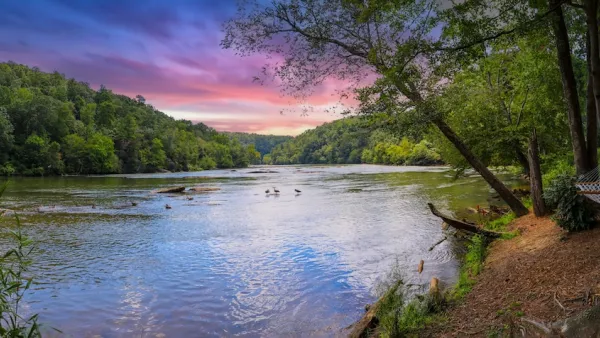
Comment: EPA Cuts will Send Atlanta Back to Eye-burning Ozone, Lung-damaging Smog, and Raw Sewage in the Chattahoochee River
A veteran political journalist takes stock of the hard-earned ground Georgia stands to lose with slashed environmental protection.

Planetizen Federal Action Tracker
A weekly monitor of how Trump’s orders and actions are impacting planners and planning in America.

The state-sanctioned urbicide of Austin
People don’t kill cities. Freeways do.

US to reduce Colorado River water deliveries to Mexico
A new Colorado Treaty amendment reduces Mexico’s Colorado River water allocation by 250,000 acre feet.

5 New England states march closer to 800 megawatt wind energy project
Securing federal approval for the project may be complicated under the Trump administration, which has historically been hostile towards domestic wind power.

Baltimore to break ground on $50 million Transit Priority Project
The project will bring faster bus trips, safer streets and better bike connections to Baltimore.

Airbnb launches $250 million 'last-dollar financing' housing accelerator, makes first investment in Austin
The company will put $6.4 million towards affordable housing development in Texas’ capital.

FREE Course: Walkable City 1: Why Walkability?
After describing his path towards focusing on walkability as the essence of good planning, Jeff Speck marches through his five principal reasons for making more walkable places.
Reinventing Malls: Planning Alchemy—Turning Gray Fields Into Gold
The course focuses on the opportunities and imperatives that shape reinvention of mall sites.

Eagle County Government
Harvard University Graduate School of Design
Nashville Planning Department
The Architects Foundation
University of Cincinnati Online
The Pocatello Development Authority
The Urban Renewal Agency of the City of Pocatello
Journal of the American Planning Association