Ten St. Louis organizations worked together to pin down mayoral candidates on concrete questions about racial equity—but first they had come to consensus on what issues to focus on.


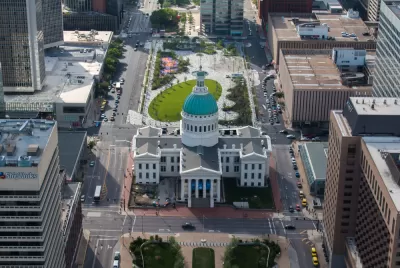
Tired of hearing the standard rhetoric from our elected officials—promises of lowering the crime rate, easing the tax burden, and repairing potholes—a group of organizations in St. Louis banded together and partnered with local media to ensure that racial equity was the central topic of political debate during the city’s 2017 mayoral race.
A Once-in-a-Decade Opportunity
In 2016 St. Louis City Mayor Francis Slay announced he would not run for re-election. After a historic four terms, this created an opportunity for mayoral candidates to shape new visions for St. Louis.
Among the 10 most segregated metropolitan regions in the country, St. Louis often simmers with unease from decades of racial inequity. In the summer of 2014, an African-American man, 18-year-old Michael Brown, was fatally shot by a police officer in nearby Ferguson. Many St. Louis residents and taxpayers were deeply disappointed in the way city officials responded to the unrest in Ferguson, which crossed into the city’s boundaries. It was clear that this was a critical election year.
Community members and organizations wanted more than just the typical rhetoric from city leaders. There was a need to ensure that community voices and expectations were heard. There was a need to understand how the candidates planned to address inequities in the city and whether they were willing to take a hard stance—publicly—on equity issues important to St. Louis residents, businesses, faith communities, and nonprofits.
To prepare, a group of 10 local organizations focused on systemic change joined together to encourage candidates to address racial equity and make it a focal point in the pivotal election. The group first set its sights on hosting a mayoral forum that would be different from past forums by focusing on racial equity.
FULL STORY: Injecting Racial Equity into an Election Cycle in St. Louis

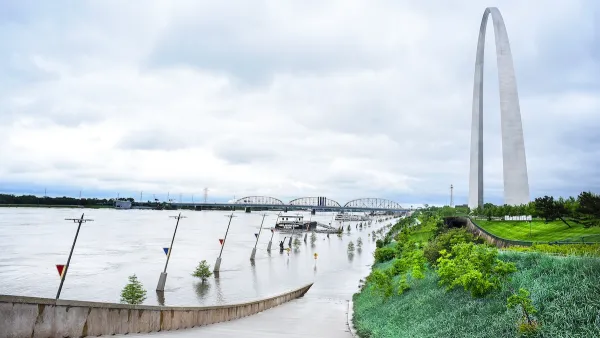
St. Louis has a Secret Stormwater Weapon Saving 100 Million Gallons from the Mississippi
The city reimburses residents who install gardens, rain barrels, and other methods that retain stormwater and decrease the risk of flooding.
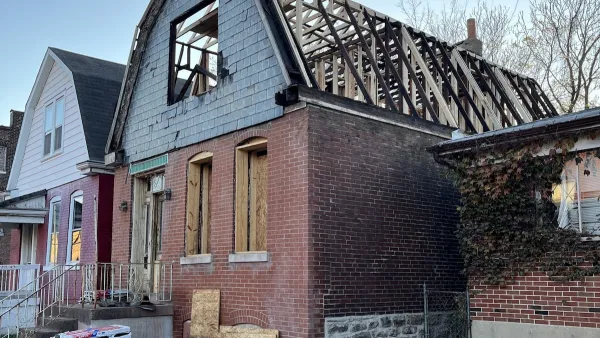
St. Louis Nonprofit Builds Housing for Struggling Artists
The St. Louis Art Place Initiative purchases city-owned vacant properties and rehabilitates them, offering homeownership opportunities to local artists.
St. Louis Zeroing in on Safe Streets
The city is creating its first Department of Transportation and using hundreds of millions in federal funding to launch road safety projects.

Planetizen Federal Action Tracker
A weekly monitor of how Trump’s orders and actions are impacting planners and planning in America.

The state-sanctioned urbicide of Austin
People don’t kill cities. Freeways do.

US to reduce Colorado River water deliveries to Mexico
A new Colorado Treaty amendment reduces Mexico’s Colorado River water allocation by 250,000 acre feet.

Mamdani overhauls NYC's Vision Zero plan with 100 new policy goals
The overhaul aims to reduce traffic deaths and make streets safer for pedestrians, cyclists and drivers through lower speed limits, new safety infrastructure and more.

Amtrak not solely to blame for New Jersey commuter rail's unreliability, report finds
A new study from the Garden State Initiative found that NJ Transit’s budget grew 20% across a 4 year period, but reliability declined significantly over the same period.

EPA erases limits on planet-warming pollution from power plants
Under Monday’s plan, power plants would still have some limits on how much mercury, arsenic and other contaminants they can emit.

FREE Course: Walkable City 1: Why Walkability?
After describing his path towards focusing on walkability as the essence of good planning, Jeff Speck marches through his five principal reasons for making more walkable places.
Reinventing Malls: Planning Alchemy—Turning Gray Fields Into Gold
The course focuses on the opportunities and imperatives that shape reinvention of mall sites.

Eagle County Government
Harvard University Graduate School of Design
Nashville Planning Department
The Architects Foundation
University of Cincinnati Online
The Pocatello Development Authority
The Urban Renewal Agency of the City of Pocatello
Journal of the American Planning Association