The politics of the Department of the Interior under the Trump administration aren't likely to change, but new Secretary David Bernhardt is distinguishable from his predecessor thanks to a long history of oil industry lobbying.



"The Senate on Thursday afternoon voted to confirm David Bernhardt to lead the Department of the Interior," reports Umair Irfan.
"Bernhardt has been serving as acting secretary since January after Interior Secretary Ryan Zinke resigned late last year. He was nominated to be the permanent secretary in February."
According to Irfain, Secretary Bernharst's ascension follows a model set by the U.S. Environmental Protection Agency last year, Here's the pattern: after the previous secretary, a Washington outsider, resigned in controversy, the deputy, a former industry lobbyist and Washington insider, ascends to the top position.
In addition to identifying that trend, Irfain also lists three ket things to know about the new Secretary of the Interior: 1) Bernhardt has many potential conflicts of interest, 2) Bernhardt is likely to continue former Secretary Ryan Zinke's agenda of reduced federal land protections and environmental regulations, and 3) Democrats are likely to keep a very close eye on Bernhardt should the new Interior Secretary run afoul of the law or ethics rules.
FULL STORY: A brief guide to David Bernhardt, Ryan Zinke’s replacement at the Interior Department

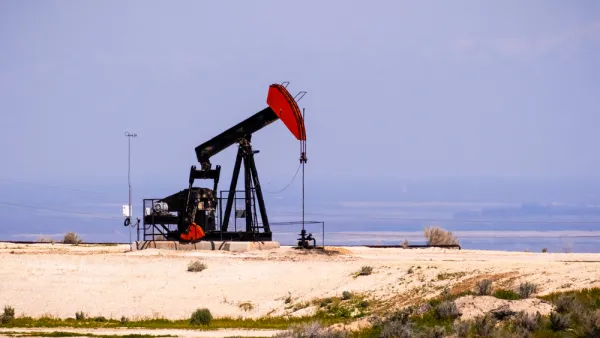
Department of Interior Plans to Open 1 Million Acres in California to Fracking
The Bakersfield Office of the Bureau of Land Management released an environmental study that is the basis for undoing a 2013 de facto moratorium on fracking on federal lands in California. The Supplemental EIS triggers a 45-day public comment period.
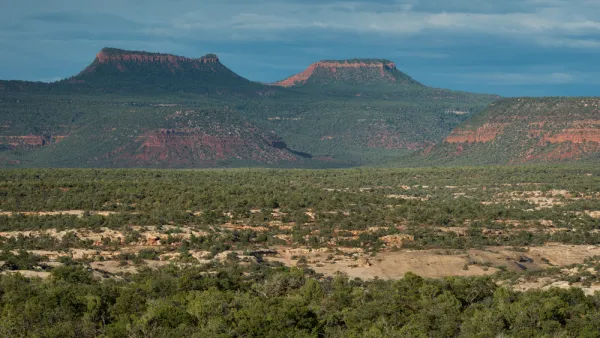
President's Record on Conservation Criticized
President Trump has weakened protections for 35 million acres of public land, despite repeating his intentions to surpass the model for conservation set by President Teddy Roosevelt.
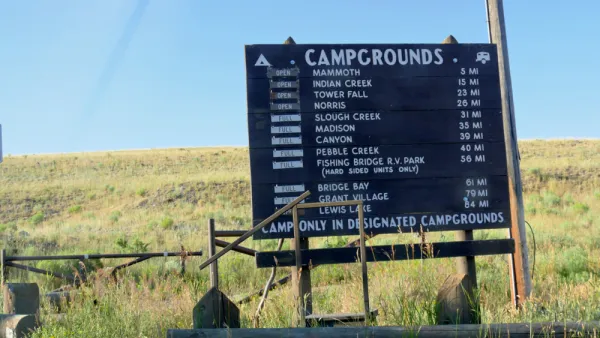
Department of Interior Could Allow Private Companies to Run National Park Campgrounds
The Trump administration is exploring ways to outsource operations at national parks to private businesses. Lobbyists for private businesses welcome the invitation.

The state-sanctioned urbicide of Austin
People don’t kill cities. Freeways do.

US to reduce Colorado River water deliveries to Mexico
A new Colorado Treaty amendment reduces Mexico’s Colorado River water allocation by 250,000 acre feet.

New Jersey’s second-largest city bans standalone data centers
Jersey City will continue to allow co-location facilities, such as those meant for research institutions that store their own data.

Amtrak not solely to blame for New Jersey commuter rail's unreliability, report finds
A new study from the Garden State Initiative found that NJ Transit’s budget grew 20% across a 4 year period, but reliability declined significantly over the same period.

EPA erases limits on planet-warming pollution from power plants
Under Monday’s plan, power plants would still have some limits on how much mercury, arsenic and other contaminants they can emit.

Phoenix announces new on-demand transit service, more frequent RAPID buses
Both new services will launch in October, and are part of Phoenix's Project Effective Access Solutions for Easing Congestion.

FREE Course: Walkable City 1: Why Walkability?
After describing his path towards focusing on walkability as the essence of good planning, Jeff Speck marches through his five principal reasons for making more walkable places.
Reinventing Malls: Planning Alchemy—Turning Gray Fields Into Gold
The course focuses on the opportunities and imperatives that shape reinvention of mall sites.

Eagle County Government
Harvard University Graduate School of Design
Nashville Planning Department
The Architects Foundation
University of Cincinnati Online
The Pocatello Development Authority
The Urban Renewal Agency of the City of Pocatello
Journal of the American Planning Association